Who should consider Trace of the Villa after enjoying atmospheric mystery adventures
Trace of the Villa (Steadyturtle Co., Ltd., released 28 May, 2026) is a story-driven, puzzle-forward mansion mystery that asks players to piece together erased identities and financial traces by restoring systems, unlocking safes, and following manifests. If you prize slow-burn suspense, environmental storytelling and clue-driven exploration over constant combat, this Steam indie leans clearly toward the investigative side of adventure.

Quick facts
| Title | Trace of the Villa |
|---|---|
| Release date | 28 May, 2026 |
| Developer / Publisher | Steadyturtle Co., Ltd. |
| Genres | Action, Adventure, Indie |
| Steam categories | Single-player; Color Alternatives; Custom Volume Controls; Playable without Timed Input; Subtitle Options; Family Sharing |
| Steam appid | 3483660 |
| Store page | Trace of the Villa on Steam |
What the game is (concrete)
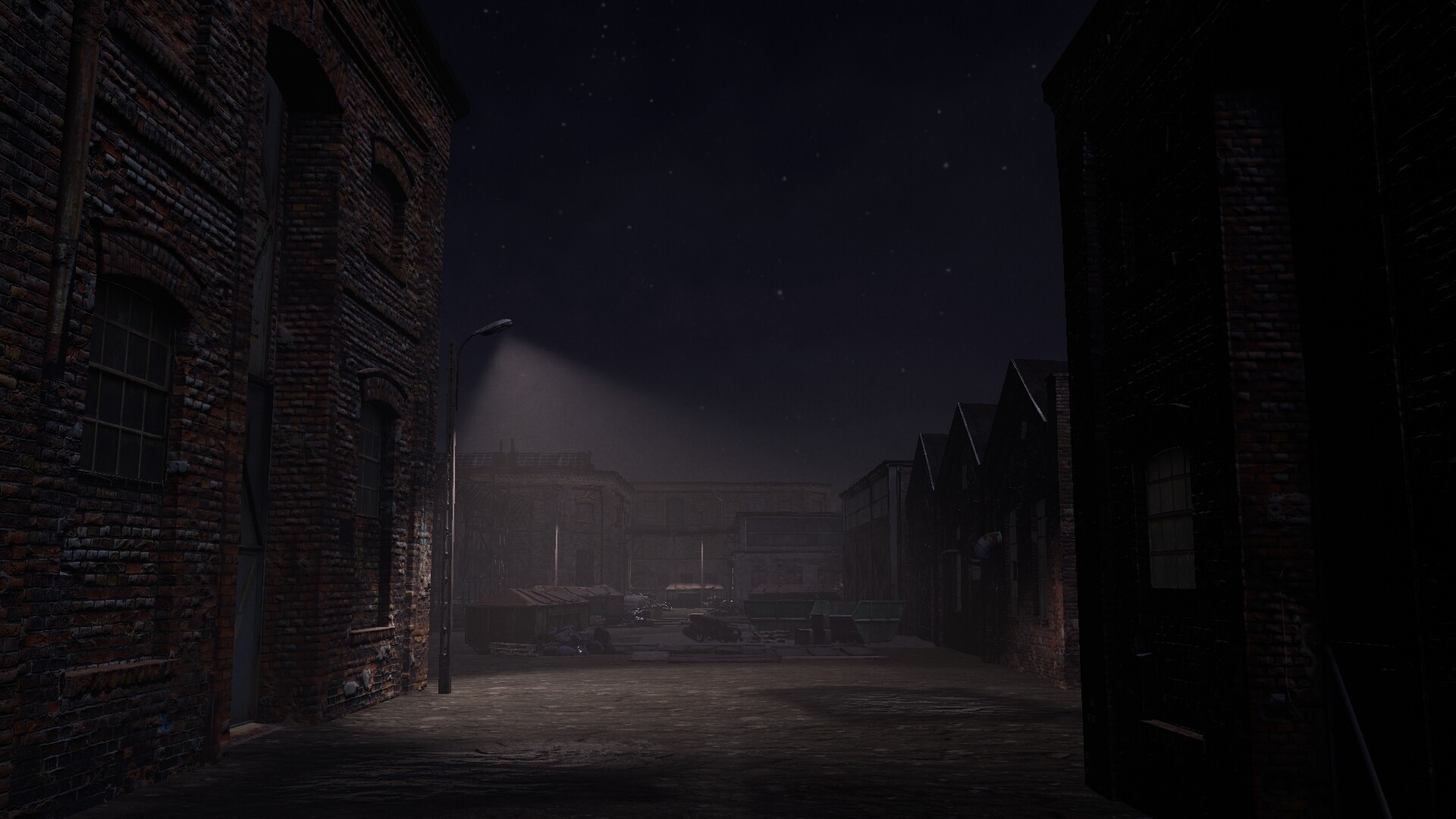
The official Steam description frames Trace of the Villa as an investigative adventure: protagonist Jin follows leads to a remote, decaying mansion and recovers manifests and hints that his missing sister may still be alive. The mansion has been deliberately scrubbed of ordinary records—furniture left in mid-routine, locked doors, encrypted documents and suspicious transfer records. The description notes restoring power, secured systems coming back online, safes yielding fragments and a pattern of falsified identities and masked movements. These elements signal a puzzle-and-clue structure built around environmental storytelling and reconstruction of a concealed operation.
When and where
Trace of the Villa is available on Steam, released 28 May, 2026. It lists the usual PC-oriented accessibility options Steam players expect: subtitle support, custom volume controls, color alternatives and an explicit “playable without timed input” category—useful if you prefer a measured, exploration-first pace.
Why the theme matters
Trace of the Villa emphasizes investigation as emotional work: the missing-sister premise gives a personal throughline to what might otherwise read as a pure puzzle box. The official description’s focus on falsified identities, erased records and financial trails shifts the core mystery toward institutional concealment rather than supernatural hauntings or jump-scare horror. That tonal choice will matter to players who prefer detective-style unraveling and piecing together documents and systems over survival mechanics or constant dread.
How you progress (in practical terms)
- Gather manifests, encrypted fragments and transfer records found across the mansion.
- Restore power and bring systems back online to reveal previously hidden compartments and locked mechanisms.
- Solve puzzles tied to safes and secured systems to unlock narrative beats and trace movement logs.
- Piece together a timeline and pattern that suggest how people arrived, were moved, or vanished from the estate.
The Steam categories (notably “Playable without Timed Input” and Subtitle Options) indicate an experience that privileges thinking and reading over twitch reflexes.
Comparison: where Trace of the Villa sits among like-minded mystery adventures
| Title | Tone | Pacing | Clue / Puzzle Focus | Exploration Style | Who might prefer it |
|---|---|---|---|---|---|
| Trace of the Villa | Personal investigation into erased identities and institutional concealment | Measured, investigative; emphasis on restoring systems to reveal evidence | Document fragments, encrypted records, safes and restored systems | Mansion-bound environmental exploration with layered discoveries | Players who want puzzle-led narrative and detective-style reconstruction |
| Amnesia: The Dark Descent | Immersive survival horror with relentless dread (first-person) | Relentless, fear-driven pacing that forces forward movement | Environmental clues with a strong focus on atmosphere and survival context | Open rooms and corridors that emphasize vulnerability and evasion | Players who want visceral horror and immersion under pressure |
| SOMA | Sci-fi psychological horror set below the ocean (first-person) | Slow, contemplative pacing that layers existential questions | Logs and system data blended with narrative puzzles | Industrial, facility exploration tied to story beats | Players who like narrative-heavy, philosophical mystery with horror elements |
| Layers of Fear (2016) | Psychological horror with a focus on a deteriorating Victorian mansion (first-person) | Variable, often disorienting pacing that plays with perception | Visual and environmental puzzles that tie to the protagonist’s psyche | Mutable mansion spaces that shift to affect player knowledge | Players attracted to atmosphere and unreliable narration over traditional puzzles |
| The Room | Mysterious, puzzle-box tone focused on intricate mechanical puzzles | Measured, puzzle-centric pacing | Fine-grained mechanical puzzles and curiosity-driven problem solving | Compact, localized environments (a puzzle box/room) rather than large-scale exploration | Players who prefer focused, tactile puzzles and tight puzzle loops |
| Rusty Lake Hotel | Dark, surreal puzzle-adventure with episodic structure | Short, vignette-paced chapters | Point-and-click puzzles that drive small-story reveals | Discrete rooms and scenes with a steady progression of puzzles | Players who favor short, surreal chapters and point-and-click mechanics |
Specific player scenarios — decide if this is for you
- If you enjoyed reading through logs, decrypting documents and letting evidence build a theory: Trace of the Villa’s official description emphasizes manifests, encrypted documents and transfer records. That investigative pattern should appeal to document- and clue-minded players.
- If you prefer slow, atmospheric tension without constant combat or timed reflex checks: The “Playable without Timed Input” tag and the narrative focus suggest a deliberate, puzzle-first tempo rather than twitch survival gameplay.
- If you like tightly focused mechanical puzzles (like The Room): Expect broader environmental and system puzzles—the game ties unlocking systems and safes to story progression—rather than solely tactile puzzle-box challenges.
- If you want pure horror or jump scares (like Amnesia): The premise reads less like relentless survival horror and more like institutional mystery; players after constant dread might find the tone different from classic horror-first titles.
- If you enjoy episodic, short-form puzzles (like Rusty Lake Hotel): Trace of the Villa’s mansion-scale, connective investigation looks to build a longer, unified narrative rather than bite-sized vignettes.
Images and where to see more
More official screenshots are available on the Steam store. You can also search for trailers and gameplay footage (use the YouTube discovery path below to find what’s been shared by viewers):
Editorial takeaway
Trace of the Villa is aimed at players who want investigation-driven mystery with an emphasis on
Leave a Reply