Trace of the Villa — who should wishlist this atmospheric mystery adventure
Trace of the Villa (Steadyturtle Co., Ltd., released 28 May, 2026) sends you into a cut-off, decaying mansion where a long personal search for a missing sister turns investigative and obsessive. The premise leans on environmental storytelling and clue-driven puzzle work: restore power, unlock hidden compartments, and follow financial and identity traces that hint at a larger, concealed operation.

Quick facts
| Title | Trace of the Villa |
|---|---|
| Developer / Publisher | Steadyturtle Co., Ltd. |
| Release date | 28 May, 2026 |
| Genres | Action, Adventure, Indie |
| Steam categories | Single-player; Color Alternatives; Custom Volume Controls; Playable without Timed Input; Subtitle Options; Family Sharing |
| Platform | PC / Steam |
What the game is — tone, structure and core loop
Trace of the Villa places a named protagonist, Jin, into a remote mansion after years of fruitless searching for his missing sister. The estate is described as “less abandoned than erased”: furnished rooms with missing identity markers, locked doors hiding secured secrets, and systems that reveal fragments when power is restored. That formal set-up signals a game driven by environmental storytelling, investigative puzzles (safes, encrypted documents, hidden compartments) and slow-unfurling narrative discovery rather than constant action beats.
When and where to find it
Trace of the Villa is available on Steam (released 28 May, 2026). If you want to see it on the store page, use this link: View Trace of the Villa on Steam.
Why the theme matters — what the mansion mystery does differently
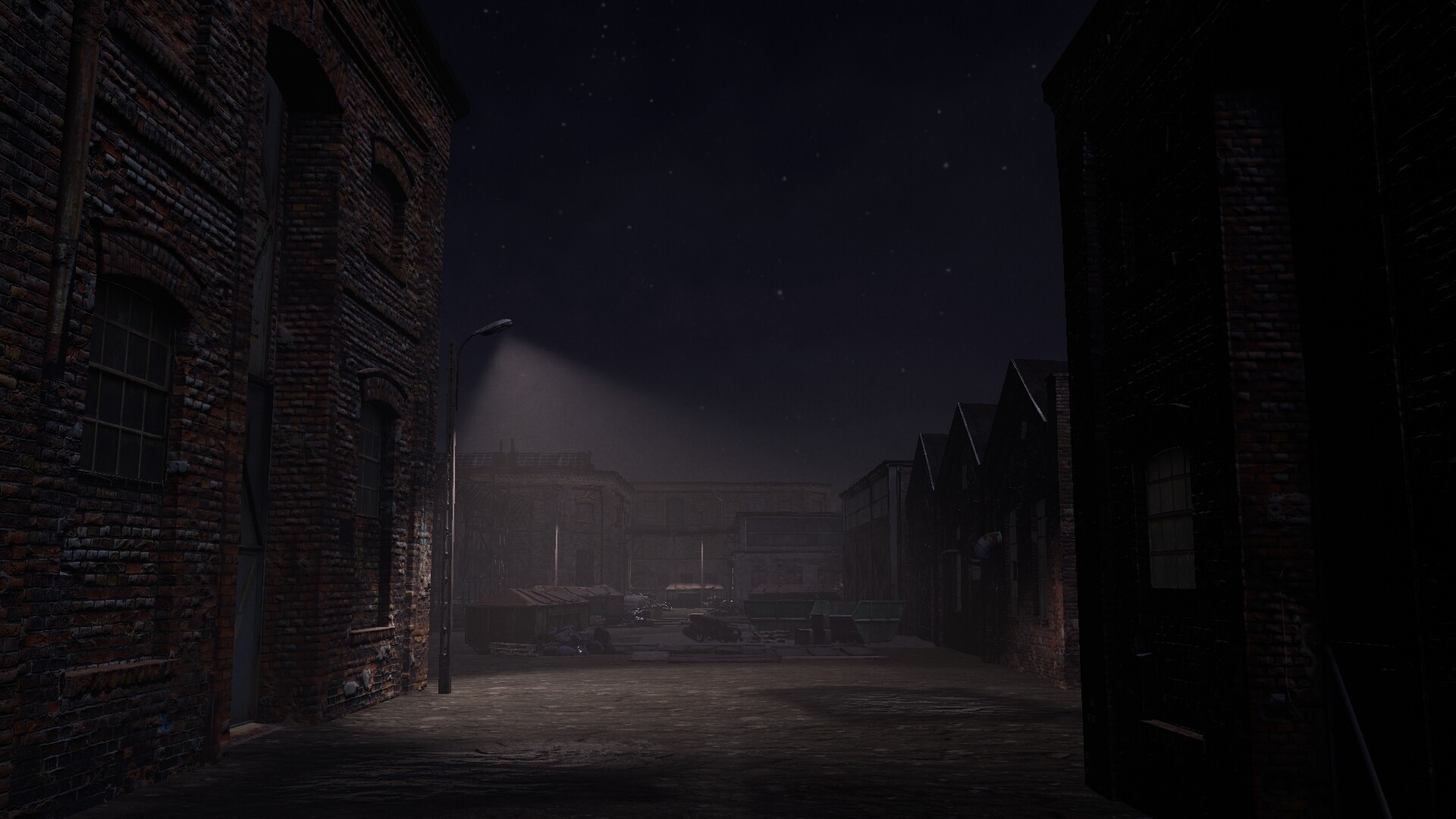
Rather than relying purely on jump scares or action-oriented survival, Trace of the Villa leans into procedural unpeeling: restoring power, reading transfer records, and assembling a timeline of arrivals and departures. Thematically, the game is built around identity erasure and controlled movements — a story incentive that affects how spaces are staged and how clues are distributed. That makes the title better matched to players who appreciate narrative puzzle design and a protagonist-led, detective-style investigation inside a single, atmospheric location.
How you progress — clues, pacing and accessibility
Progression is clue-driven: secured systems come back online and hidden compartments unlock as you solve puzzles and piece together documents. Steam categories such as “Playable without Timed Input,” “Custom Volume Controls,” “Subtitle Options,” and “Color Alternatives” show attention to pacing and accessibility — they support a patient, methodical playstyle rather than twitch reflexes. Expect slow-burn reveals and layered puzzles that use environmental detail, rather than repetitive combat encounters.
Who should consider Trace of the Villa
- Players who enjoy atmospheric mystery adventure and slow-burn suspense focused on exploration and document-driven revelations.
- Fans of single-location narrative puzzles — if you prefer following a trail of evidence in one building rather than globe-trotting set pieces.
- Those who value accessibility options and non-timed puzzle solutions (subtitles, color alternatives, custom volume).
- Players who liked story-driven horror with an investigative bent rather than pure survival horror.
Player scenarios — concrete examples of fit
- If you loved piecing together motive and timeline in a slow investigation — you’ll appreciate Trace of the Villa’s document and system-based reveals.
- If you prefer puzzle-room experiences (safes, encrypted documents, hidden compartments) over continuous enemy encounters — this is aligned with that approach.
- If you want atmospheric exploration with a personal stake driving the narrative (a missing family member), Trace of the Villa uses that as its narrative engine.
- If you seek high-tension, action-first thrillers with fast combat or platforming, this title’s emphasis on discovery and atmosphere may feel more measured than you want.
How Trace of the Villa compares to nearby mystery and puzzle games
| Title | Genre / Core focus | Atmosphere & tone | Pacing | Puzzle focus & exploration style | Player fit |
|---|---|---|---|---|---|
| Trace of the Villa | Action, Adventure, Indie | Mansion mystery, investigative, personal stakes | Slow-burn; methodical discovery | Document and environment puzzles; restoring systems; hidden compartments | Players who want clue-driven exploration and narrative puzzle design |
| Amnesia: The Dark Descent | Action, Adventure, Indie | Immersive survival horror; nightmare-driven | Slow to intense; survival tension | Environmental puzzles with survival mechanics and psychological horror | Players seeking immersion, dread, and occasional survival mechanics |
| SOMA | Action, Adventure, Indie | Sci‑fi horror; existential and oppressive | Steady, narrative-led with tense set pieces | Exploration and narrative puzzles with sci‑fi systems | Players who like story questions about identity inside a horror framework |
| Layers of Fear (2016) | Adventure, Indie | Psychological horror in a Victorian mansion | Variable; often surreal and unfolding | Environmental puzzles, shifting rooms, story-focused reveals | Fans of psychological, artist-centric narratives and unsettling environments |
| The Room | Adventure, Indie | Focused, mysterious, puzzle-centric | Measured and tightly paced around discrete puzzles | Mechanical puzzle boxes and tactile problem solving | Players who want concentrated puzzle challenges with minimal exploration |
| Rusty Lake Hotel | Adventure, Indie | Dark, eerie, stylized puzzle storytelling | Puzzle-session friendly; compact chapters | Point-and-click puzzles, vignette-style mysteries | Those who enjoy short, thematic puzzle chapters with an uncanny tone |
YouTube discovery
If you want to see trailers or gameplay clips, search YouTube for Trace of the Villa (use this search path): Trace of the Villa trailer & gameplay on YouTube. This is a discovery search link rather than a claim about a specific official video.
Final take — who should wishlist it
Wishlist Trace of the Villa if you prize atmosphere, environmental storytelling, and a clue-driven investigation inside a single, unsettling estate. If you prefer puzzle-leaning narratives that reward patience and careful reading of documents, this title is squarely aimed at that audience. If you need rapid-action horror or looped combat encounters, the pacing and investigative emphasis here will feel intentionally restrained.
Disclaimer: referenced titles and trademarks belong to their respective owners; comparisons here are editorial discovery and not endorsements or claims of affiliation.
Leave a Reply