
Trace of the Villa: Rooms as Puzzle Spaces and Story Containers
Trace of the Villa places you in Jin’s long search for a missing sister, leading into a remote, decaying mansion filled with locked systems, safes, and fragmentary records. Released on 28 May, 2026 by Steadyturtle Co., Ltd., the PC experience frames rooms as both mechanical puzzles and pieces of a fractured narrative that you must read to move forward.

Who it’s for
Players who prefer atmospheric mystery adventure and slow-burn suspense, those who enjoy environmental storytelling and careful clue-reading over twitch reflexes. If you like puzzle-led exploration with a heavy narrative spine—investigating a place that feels “erased” and piecing together financial or identity traces—this is aimed at you. The Steam page lists the game under Action, Adventure, Indie and the store categories include Single-player, Color Alternatives, Custom Volume Controls, Playable without Timed Input, Subtitle Options, and Family Sharing, which signals accessibility options for contemplative players.
What the game is
Trace of the Villa casts you as Jin, who uncovers manifests, encrypted documents and suspicious transfer records inside a remote mansion that appears deliberately forgotten. As power is restored and secured systems come back online, rooms stop being inert backgrounds and instead become layers of a concealed operation—furnishings, locked doors and personal items function as both clues and mechanical puzzles that reveal the story’s next step.
When and where
Trace of the Villa released on 28 May, 2026 and is available on Steam for PC. The game is developed and published by Steadyturtle Co., Ltd.
Why the theme matters
Stories about missing persons and erased identities lean on the physical logic of spaces: what’s left behind, what’s locked away, and what systems still hum beneath the surface. By making rooms the primary vehicle for revelation, Trace of the Villa turns environmental detail into evidence. That thematic choice changes the pacing—progress is earned by interpretation and careful interaction rather than spectacle—so the mansion itself becomes the central character.
How you read clues and progress
- Clue reading: Expect to assemble fragments—manifests, encrypted notes, and transfer records—into timelines. The Steam description emphasizes uncovering financial trails and falsified identities, so interpreting documents and the order of discovery is core to the investigation.
- Object logic: Rooms are staged as if occupants vanished mid-routine; objects both obstruct and inform. Moving through a space requires treating items as purposeful design elements (locks, safes, secured systems) rather than decoration.
- Story puzzles: Solving puzzles opens systems and compartments that reveal additional narrative beats. The game frames each puzzle solution as an access point to a new layer of the operation hiding in the mansion.
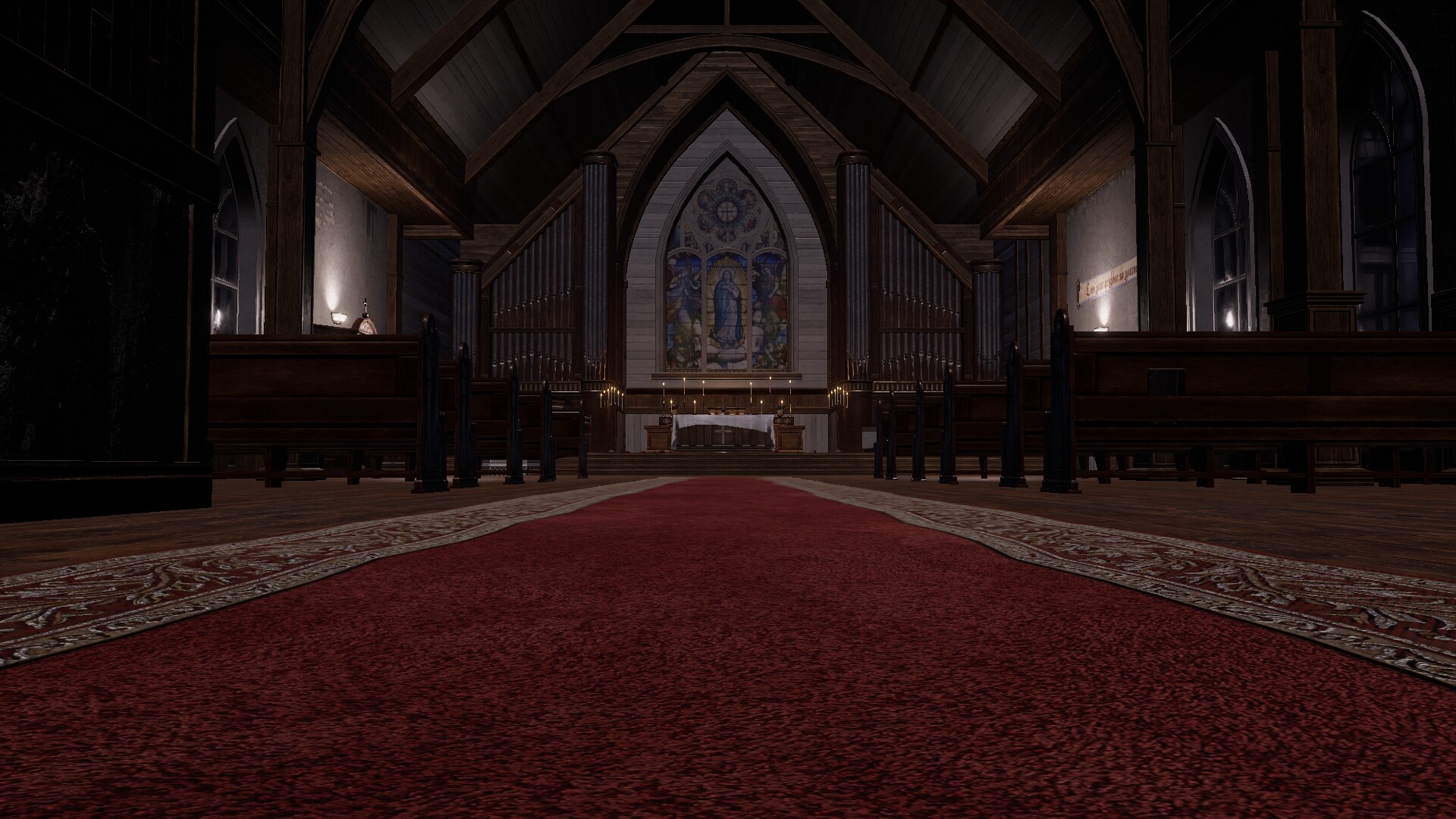

Rooms as puzzle spaces and story containers
When rooms are designed to hold both puzzles and narrative fragments, two things happen: the mechanics justify attention to detail, and the narrative rewards methodical players. Trace of the Villa’s steam description highlights locked doors, safes, encrypted fragments and suspicious transfers—elements that encourage players to treat each room as evidence to be catalogued. That approach favors players who enjoy slower, deductive play and who relish the connective work of linking objects to documents and systems.
Player scenarios — who should wishlist
- The methodical investigator: You prefer puzzles that emerge from the environment and favor reading documents, restoring systems, and assembling timelines. The game’s emphasis on manifests and encrypted documents fits your playstyle.
- The atmosphere-first explorer: You want a moody mansion mystery where rooms tell a story through staging rather than cutscenes. If environmental storytelling and slow-burn tension appeal, this aligns well.
- The narrative puzzle fan: You care most about puzzles that advance story beats—safes and secured systems that yield evidence and shift your understanding of the case. Trace of the Villa’s stated focus on falsified identities and financial trails will reward you.
Compact facts — Trace of the Villa
| Title | Trace of the Villa |
|---|---|
| Steam AppID | 3483660 |
| Release date | 28 May, 2026 |
| Developer / Publisher | Steadyturtle Co., Ltd. |
| Genres | Action, Adventure, Indie |
| Store categories / accessibility | Single-player; Color Alternatives; Custom Volume Controls; Playable without Timed Input; Subtitle Options; Family Sharing |
| Premise (official) | Jin searches for his missing sister in a remote, decaying mansion where manifests and hints indicate she may still be alive. |
How it compares to nearby puzzle-mystery experiences
Below is a compact editorial comparison on lawful criteria—genre, atmosphere, primary puzzle focus, exploration style, story tone and pacing—so you can see where Trace of the Villa sits among other room- and object-driven titles.
| Title | Release | Genre / Feel | Puzzle focus | Exploration style | Story tone / pacing |
|---|---|---|---|---|---|
| Trace of the Villa | 28 May, 2026 | Action, Adventure, Indie — mansion mystery | Clue-driven: manifests, encrypted documents, safes, secured systems | Methodical room-by-room investigation; systems restoration | Slow-burn, investigative, documentary fragments |
| The Room | 28 Jul, 2014 | Adventure, Indie — tactile puzzle box | Mechanical, tactile safes and intricate puzzles | Focused single-room/locked-object exploration | Mystical, puzzle-forward, tightly paced |
| Escape Simulator | 19 Oct, 2021 | Adventure, Casual, Indie — interactive escape rooms | Highly interactive object manipulation and escape-room design | Room-based scenarios with physical interaction and multiplayer options | Varied pacing depending on scenario; social or solo escape focus |
| Unpacking | 1 Nov, 2021 | Casual, Indie, Simulation — domestic, zen puzzle | Object placement and context to reconstruct life histories | Room-by-room arrangement that reveals character through items | Quiet, reflective, slow and episodic |
YouTube discovery
If you want to see footage before deciding, search for trailers and gameplay on YouTube: Trace of the Villa trailer & gameplay on YouTube. This link is provided as a search path; the Steam data does not verify a specific official video link in this editorial.
Where to wishlist
If this focus on room-based evidence and slow investigative pacing appeals, you can visit the Steam store page and wishlist Trace of the Villa: Trace of the Villa on Steam
Referenced titles and trademarks belong to their respective owners; comparisons above are editorial discovery and not endorsements.
Leave a Reply