
Who should consider Trace of the Villa after enjoying atmospheric mystery adventures
Trace of the Villa (Steadyturtle Co., Ltd., released 28 May, 2026) is a story-led, mansion-set investigation that trades jump-scares for slow-burn discovery: you play Jin, following fragmented manifests and encrypted records through a deliberately erased estate. If you prize environmental storytelling, document-driven clues, and methodical puzzle progression, this Steam indie is pitched directly at you.

Quick facts
| Title | Trace of the Villa |
|---|---|
| Release date | 28 May, 2026 |
| Developer / Publisher | Steadyturtle Co., Ltd. |
| Genres | Action, Adventure, Indie |
| Steam categories | Single-player; Color Alternatives; Custom Volume Controls; Playable without Timed Input; Subtitle Options; Family Sharing |
| Steam page | Trace of the Villa on Steam |
What the game is (concise)
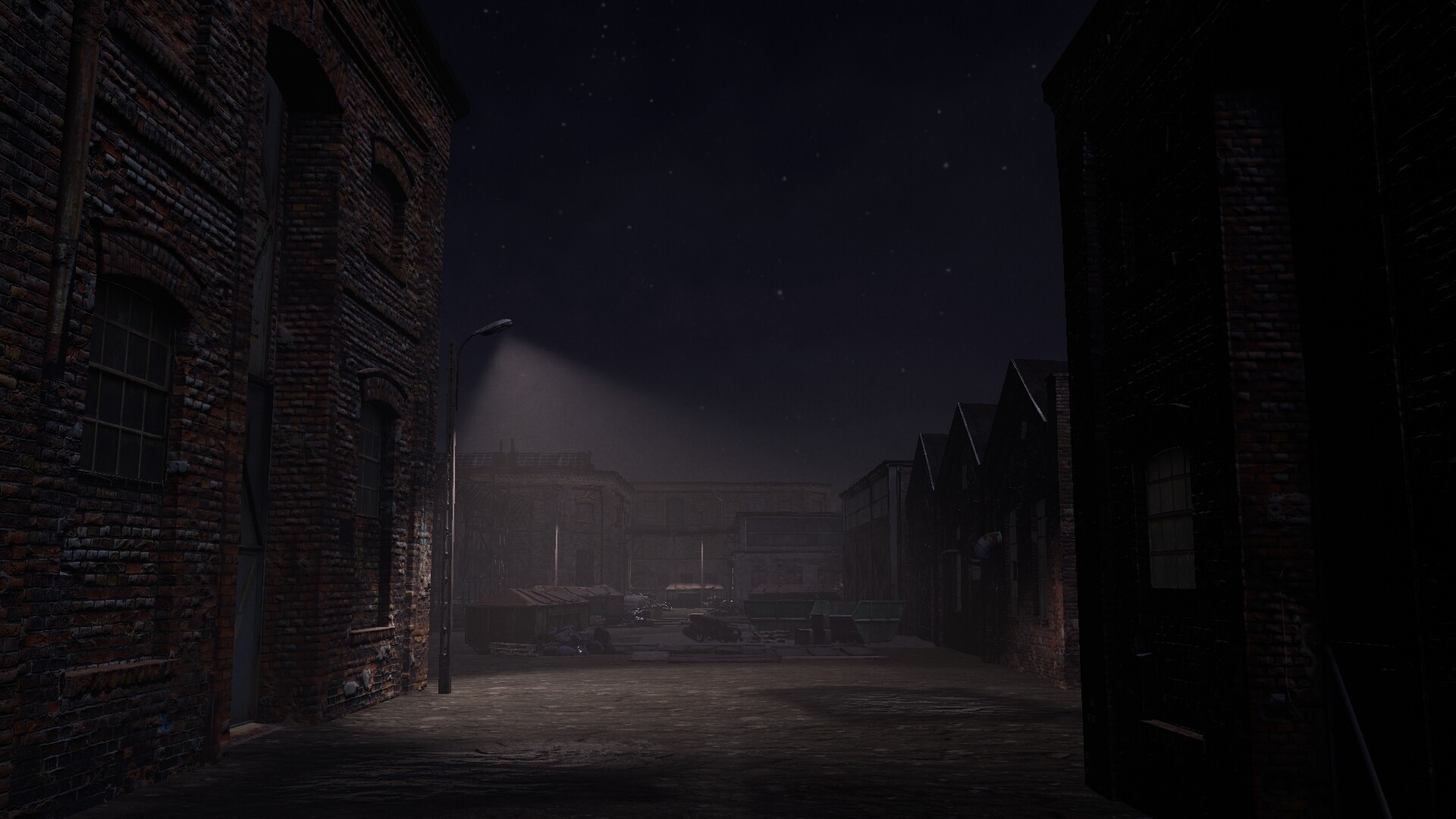
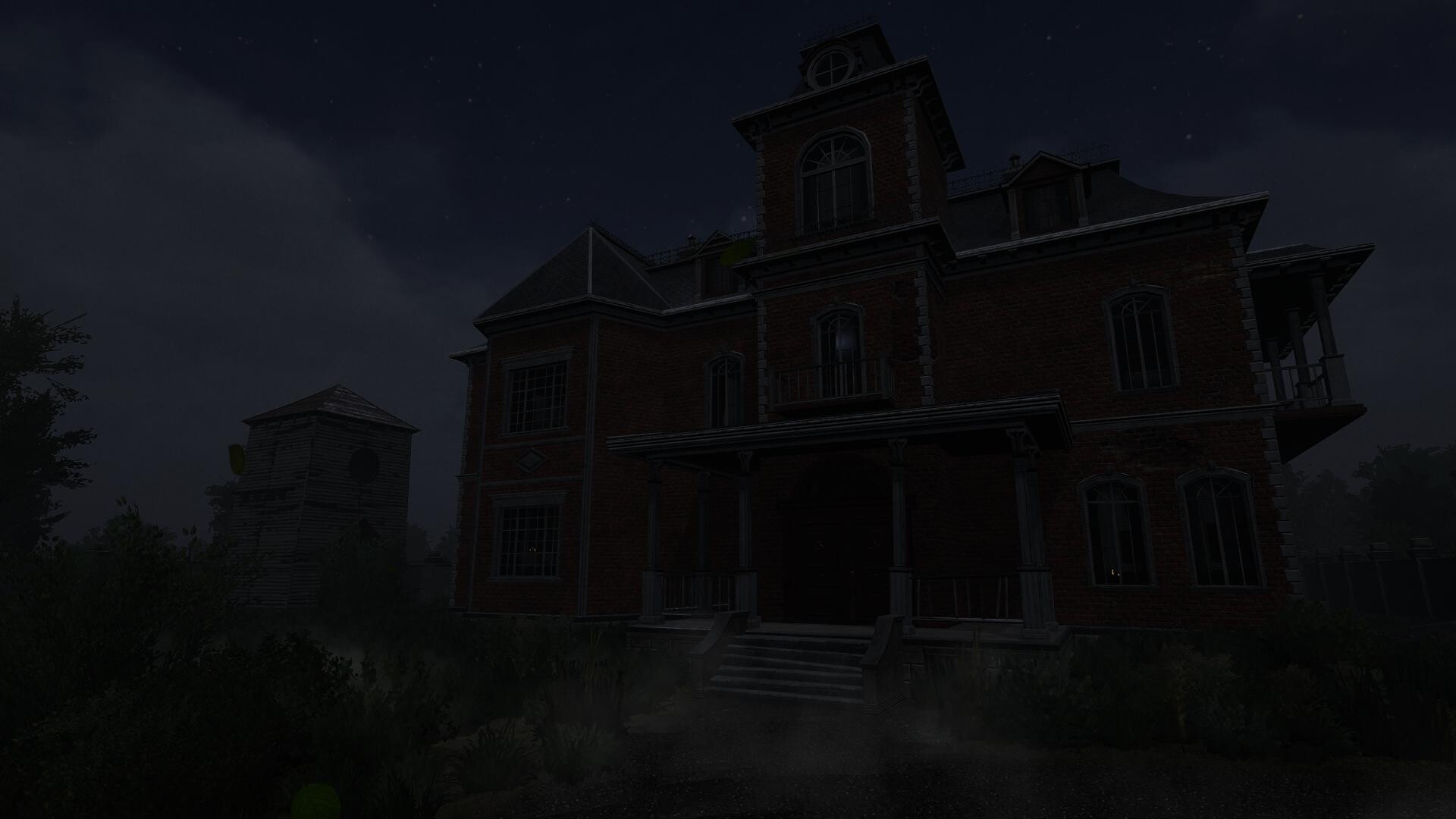
Trace of the Villa places you in a remote, decaying mansion after Jin uncovers evidence that his missing sister may still be alive. The estate is cut off from the grid, furnished as if people vanished mid-routine, and full of locked doors and secured systems. Restoring power and unlocking safes reveal fragments of manifests, encrypted documents and suspicious transfer records that gradually expose a larger, hidden operation. These are the official premises listed on the Steam page.
When and where
Trace of the Villa launched on Steam on 28 May, 2026. It is presented as a PC Steam release by developer/publisher Steadyturtle Co., Ltd.; the Steam store entry includes single-player and accessibility categories such as subtitle options, color alternatives, and the note that it is playable without timed input.
Why the theme matters
The game’s premise — a deliberately erased household with missing identities and masked movements — frames investigation as piecing together absence rather than confronting an explicit antagonist. For players who enjoy atmospheric mystery adventure and narrative puzzle design, that theme rewards careful observation and patient inference: every restored system or unlocked compartment can change how you read earlier clues.
How you read clues and progress
According to the official description, progression hinges on restoring estate systems and solving secured puzzles. Restoring power brings systems back online, hidden compartments unlock, and safes yield encrypted documents and transfer records. Players advance by assembling these fragments into a timeline and following financial trails, falsified identities, and manifests to infer what happened — a clue-driven, investigative loop rather than reflex-based play. The “Playable without Timed Input” Steam category also signals a deliberate, non-twitch pacing.
Who should consider wishlisting Trace of the Villa
- Players who prefer slow-burn suspense and environmental storytelling over jump-scare horror.
- Those who enjoy piecing together narrative through documents, encrypted fragments, and financial clues rather than combat or timed reflex sections.
- Fans of single-player PC mystery games that emphasize exploration and puzzle-led revelation; the Steam tags and categories reflect accessibility features that support a considered pace.
- Players who liked mansion mysteries where atmosphere and identity erasure drive the narrative — especially if you appreciate a methodical investigative rhythm.
Who might look elsewhere
If you expect survival-horror mechanics with heavy resource management, multiplayer features, or rapid-action sequences, Trace of the Villa’s official description and Steam categories suggest a different rhythm. The game’s strengths are investigation and environmental puzzle design, so players seeking fast-paced action may prefer other titles.
Comparison with similar mystery/adventure titles
| Title | Tone | Pacing | Clue style | Exploration |
|---|---|---|---|---|
| Trace of the Villa | Unsettling mansion mystery, erased identities (official premise) | Methodical, investigative; power restoration unlocks progression (official) | Manifests, encrypted documents, safes, financial records (official) | Room-by-room mansion exploration, systems and hidden compartments (official) |
| Amnesia: The Dark Descent | Immersive, nightmare-driven horror | Slow-burn immersion with survival-horror tension | Environmental discovery and survival-oriented clues | First-person exploration emphasizing dread and atmosphere |
| SOMA | Sci‑fi existential horror | Measured pacing focused on story and atmosphere | Narrative logs and environmental hints prompting philosophical inference | Underwater facility exploration with narrative beats |
| Layers of Fear (2016) | Psychological horror centered on a Victorian mansion | Atmospheric and sometimes disorienting, story-driven | Symbolic and narrative clues tied to a painter’s unraveling | Shifting mansion spaces that serve storytelling above traversal |
| The Room | Focused, mechanical mystery inside confined spaces | Puzzle-centric, tightly focused sessions | Mechanical puzzles and tactile object investigation | Single-room/box exploration rather than open mansion traversal |
| Rusty Lake Hotel | Dark, eerie point-and-click puzzle tone | Episode-like pacing with discrete puzzle rooms | Surreal puzzles and object-based clues | Point-and-click rooms linked by a broader, unsettling narrative |
Player scenarios: three specific fits
If you liked narrative investigation in a mansion
Trace of the Villa’s premise—restoring power, uncovering safes and encrypted files, and assembling a timeline—matches players who appreciated plot-first mansion investigations where atmosphere and documents drive discovery.
If you value accessibility and a
YouTube discovery
For trailer and gameplay discovery, use YouTube search rather than relying on unverified embeds: Find Trace of the Villa trailer and gameplay searches on YouTube.
Leave a Reply