
Trace of the Villa: a clue-forward mansion mystery for players who prefer puzzles to pulse-pounding action
Trace of the Villa is a slow-burn mystery adventure that frames investigation as the primary gameplay loop: Jin follows recovered manifests and hints through a decaying, off-the-grid mansion to find his missing sister. Released on 28 May, 2026 by Steadyturtle Co., Ltd., the game emphasizes environmental storytelling and layered clue-reading over action-heavy pacing.

| Title | Trace of the Villa |
|---|---|
| Developer / Publisher | Steadyturtle Co., Ltd. |
| Release date | 28 May, 2026 |
| Steam appid / Link | 3483660 — View on Steam |
| Genres | Action, Adventure, Indie |
| Key categories | Single-player; Color Alternatives; Custom Volume Controls; Playable without Timed Input; Subtitle Options; Family Sharing |
| Official premise | Jin has spent years searching for his missing sister. A lead points him to a remote, decaying mansion where manifests and hints indicate she may still be alive at the end of the trail he is about to follow. |
Who this game is for
If you enjoy atmospheric mystery adventure on PC where puzzles communicate story, Trace of the Villa is aimed squarely at that sensibility. It suits players who prefer clue-driven exploration and narrative puzzle design to fast combat or platforming—people who like to read documents, inspect objects for subtle details, and let the environment reveal history piece by piece.
What the game is
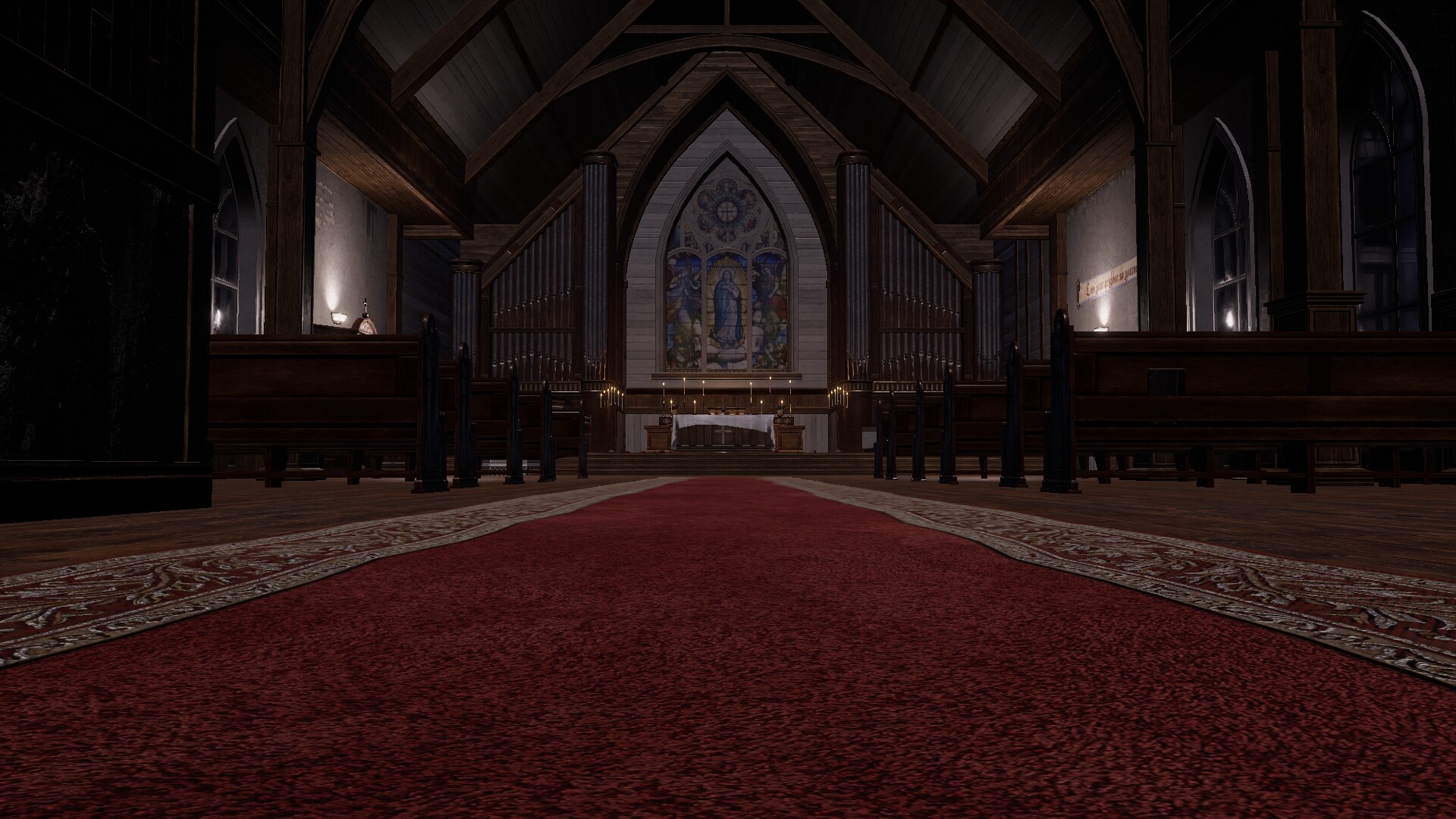
Trace of the Villa casts you as Jin, investigating a deliberately forgotten mansion with no recent records or named occupants. According to the official Steam description, rooms feel “less abandoned than erased” and restoring power reveals secured systems, hidden compartments and fragments of encrypted documents. The gameplay focus described in the store text centers on uncovering financial trails, falsified identities, and other traces left behind by a controlled operation—puzzles are the means of peeling those layers back.

When and where to play
Trace of the Villa is available on Steam for PC; the listed release date on the Steam page is 28 May, 2026. The Steam store page lists the game’s genres and accessibility options (color alternatives, subtitle options, ability to play without timed input), which can matter for players sensitive to frantic mechanics or who need presentation options.
Why the theme matters
The mansion-as-archive concept fits a subgenre of puzzle-driven psychological investigation: instead of combat, the principal challenge is reconstructing events from artifacts. The official description frames the house as intentionally scrubbed of identity—no photographs, no names—so the act of reading clues is also an act of restoring people and timelines. That makes the game appealing to players who value environmental storytelling and puzzles that reward close reading and patience.
How you progress — clue reading, object logic, and story puzzles
The store text emphasizes three overlapping puzzle modes that shape player progression:
- Clue reading: restores context by examining manifests, encrypted documents and transaction traces recovered inside the estate.
- Object logic: mechanical and inventory puzzles that require connecting physical clues to systems (power, safes, hidden compartments) once they’re reactivated.
- Story puzzles: layered revelations where solving one locked system yields fragments that change how you interpret previous evidence, encouraging backtracking and synthesis.
Together, these design elements create a paced experience where discovery unfolds by linking small details rather than reflex or reaction—players progress by reasoning and pattern recognition, not twitch skill.
Player scenarios — who will enjoy it and who might not
- Recommended: players who like methodical, narrative-first puzzle games and enjoy reconstructing timelines from documents and object states.
- Also a fit for: fans of environmental storytelling who appreciate mood, atmosphere and deliberate pacing over jump scares or combat.
- Less likely to enjoy: players who want high-action set pieces, fast-paced suspense, or competitive multiplayer—Trace of the Villa’s single-player, investigative cadence is built around slow-burn discovery.
How it compares to other puzzle and mystery titles
Below is a compact comparison on lawful editorial criteria—genre, atmosphere, puzzle focus, and player fit—so you can decide whether Trace of the Villa aligns with your tastes.
| Title | Puzzle focus | Atmosphere / Tone | Pacing | Player fit |
|---|---|---|---|---|
| Trace of the Villa | Clue-reading, object logic, story-led document puzzles (official description) | Decaying mansion, erased identities, investigative tension | Slow-burn, investigative | Players who prefer narrative puzzle design and environmental storytelling |
| The Room | Mechanical lockbox puzzles and tactile object investigation (store description) | Mystery, focused on a single locked object/room | Measured, puzzle-centric | Players who enjoy tactile, cryptic object puzzles |
| The Room Two | Sequential tactile puzzles across interconnected stages | Atmospheric, cryptic exploration of forgotten places | Measured, puzzle-driven | Fans of atmospheric single-room-to-room puzzle progression |
| Escape Simulator | Highly interactive escape-room puzzles; physical interaction and item manipulation | Playful to tense depending on room (community content) | Varied—can be quick or involved, depending on room | Players who want highly interactive object manipulation and optional co-op |
| Unpacking | Zen, placement-based puzzles that reveal life stories through objects | Calm, reflective, slice-of-life discovery | Gentle, unhurried | Players who enjoy narrative revealed through domestic detail and item context |
YouTube discovery
If you want to see footage or trailers, use this YouTube search path (search results may include trailers and gameplay clips): Search Trace of the Villa trailers and gameplay on YouTube.
View Trace of the Villa on Steam
Disclaimer: referenced titles and trademarks belong to their respective owners. Comparisons here are editorial discovery only, based on store descriptions and available information.
Leave a Reply