
Trace of the Villa — a clue-first mansion mystery for patient puzzle players
Trace of the Villa positions itself as a slow-burn, story-rich adventure in which careful reading of clues and methodical object logic replace run-and-gun pacing. Developed and published by Steadyturtle Co., Ltd., it asks players to reconstruct a fractured timeline inside a decaying mansion to learn whether the protagonist’s missing sister might still be alive.

What Trace of the Villa is
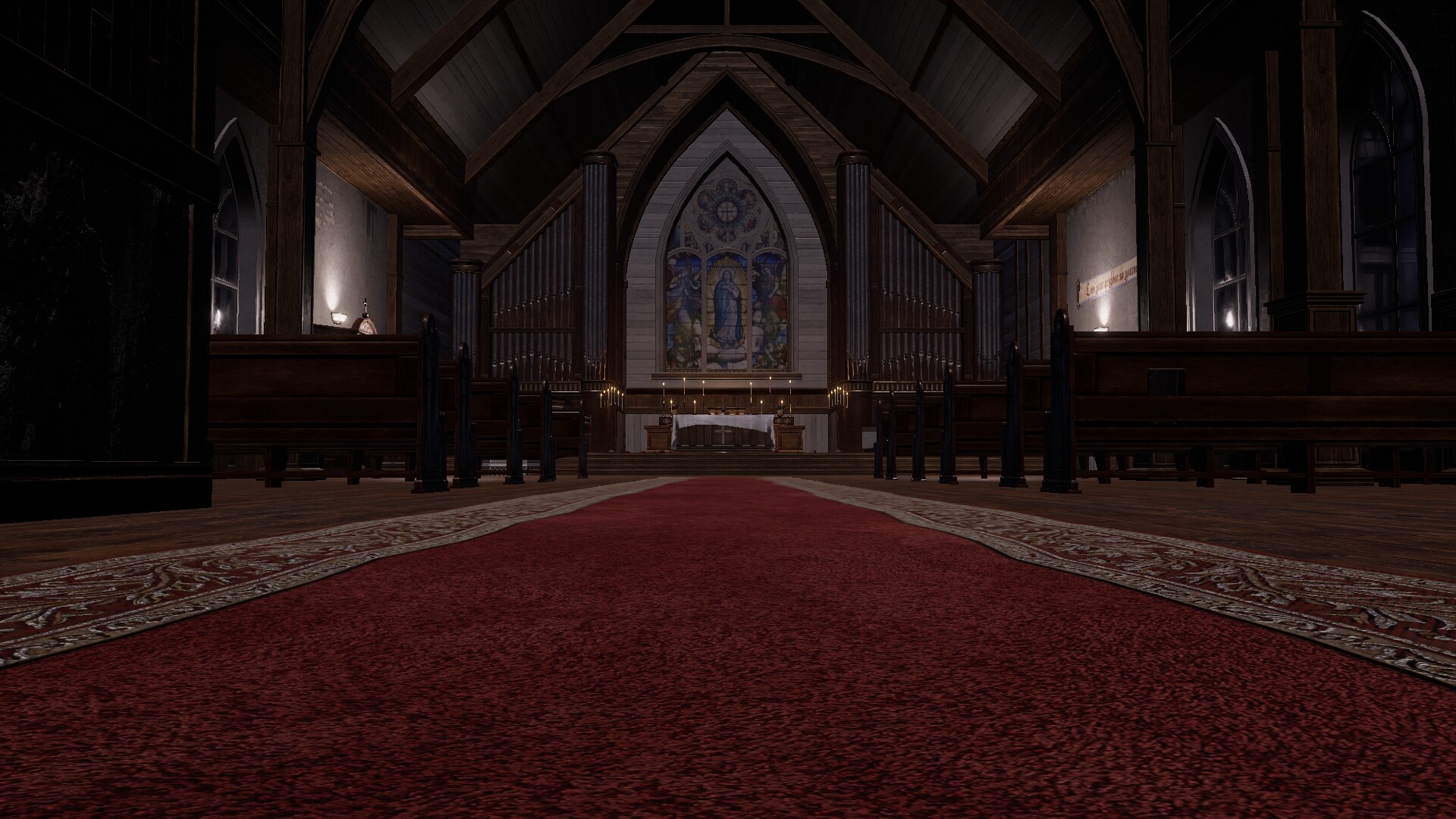
Officially described on Steam as an investigation led by Jin, Trace of the Villa centers on a remote, deliberately forgotten mansion where manifests and hints suggest Jin’s missing sister may still be alive. The house appears “less abandoned than erased”: rooms frozen in mid‑routine, locked doors, hidden compartments and encrypted documents. When Jin restores power to the estate secured systems come back online and new locations, safes and fragments are revealed, each puzzle peeling back another layer of a deliberately concealed operation.
| Title | Trace of the Villa |
|---|---|
| Steam appid | 3483660 |
| Release date | 28 May, 2026 |
| Developer | Steadyturtle Co., Ltd. |
| Publisher | Steadyturtle Co., Ltd. |
| Genres | Action, Adventure, Indie |
| Notable Categories | Single-player; Color Alternatives; Custom Volume Controls; Playable without Timed Input; Subtitle Options; Family Sharing |
Who this game is for
- Players who prefer clue-driven puzzles, patient exploration and environmental storytelling over action‑first design.
- Fans of mansion mysteries, narrative puzzle design, and psychological investigation atmospheres.
- PC players who value subtitle options and accessibility features like color alternatives and the ability to play without timed input.
When and where: Steam context
Trace of the Villa launched on Steam on 28 May, 2026. It is presented as a single‑player experience on PC; the Steam page lists the developer and publisher as Steadyturtle Co., Ltd. If you want to follow the Steam page directly, use the store link below before the embedded widget.
How the game makes you read clues
The official Steam description outlines a progression built on restoration and retrieval rather than combat escalation: restoring power, reactivating secured systems, and unlocking hidden compartments and safes that yield fragments of encrypted documents and suspicious transfer records. Those fragments—manifests, encrypted records and hints—are the game’s connective tissue: they require players to interpret document fragments, cross‑reference environmental details, and make logical connections between objects and narrative traces. That design favors lateral thinking and close examination of spaces and items over reflexive action.

Player scenarios — who should wishlist it
- The methodical detective: You enjoy cataloging evidence, comparing fragmented records and unfolding a timeline at your own pace. You’ll take satisfaction from connecting small clues to reveal larger operations.
- The story-first explorer: The mansion’s atmosphere and erased identities are the draw; puzzles exist to reveal more of the narrative rather than to interrupt it with fast action sequences.
- The accessibility-minded player: If you rely on subtitles, color alternatives or want play without timed inputs, the Steam page lists those options explicitly.
- Not ideal if: you prioritize action-heavy pacing or frequent combat—Trace of the Villa emphasizes investigation and puzzle reading.
How it compares to nearby puzzle-adventure experiences
Below is a focused editorial comparison on lawful criteria: core puzzle focus, atmosphere/pace, exploration style and player fit. These comparisons use each title’s Steam descriptions and the topic research available, not claims of superiority.
| Title | Core puzzle focus | Atmosphere / Pace | Player fit |
|---|---|---|---|
| Trace of the Villa | Clue-driven investigation via restored systems, hidden compartments, manifests and encrypted fragments | Mansion mystery; slow-burn, investigative tension | Players who prefer environmental storytelling and narrative puzzle design |
| The Room | Mechanical, tactile safe-and-box puzzles centered on a single locked object | Focused, solitary puzzling with a tense, intimate mystery | Fans of tightly designed object puzzles and atmospheric, contained scenarios |
| The Room Two | Continued emphasis on puzzle boxes and mechanical enigmas across varied locales | Expands the scope while retaining deliberate, puzzle-first pacing | Players who enjoyed the first title and want more layered mechanical puzzles |
| Escape Simulator | Highly interactive escape-room environments with physics and object manipulation | Varied tempo — can be playful or tense depending on room design; supports co-op | Those who want tactile interaction, community rooms and optional co-op play |
| Unpacking | Zen, observational puzzles about placing objects to build story through possessions | Calm, reflective pace focused on everyday life and implicit narrative | Players who prefer gentle, detail-driven storytelling over mystery or thriller elements |
Where to watch a trailer or gameplay snippets
Search for trailers and gameplay on YouTube (use this discovery path rather than assuming an official upload): YouTube search: Trace of the Villa trailer gameplay.
View Trace of the Villa on Steam
Disclaimer: referenced titles and trademarks belong to their respective owners; comparisons above are editorial discovery only, based on public Steam descriptions and the supplied topic research.
Leave a Reply