
Trace of the Villa — a clue-first mansion mystery for Steam players who prefer puzzles over pulse
Trace of the Villa places you in Jin’s shoes as he follows fractured manifests and unsettling hints through a decaying, off-grid mansion to learn whether his missing sister might still be alive. Released on 28 May, 2026 by Steadyturtle Co., Ltd., the game trades action-heavy pacing for layered clue-reading, object logic, and story puzzles that unfold as you restore power and pry open the estate’s carefully concealed history.

Quick facts
| Title | Trace of the Villa |
|---|---|
| Developer / Publisher | Steadyturtle Co., Ltd. |
| Release date | 28 May, 2026 |
| Genres | Action, Adventure, Indie |
| Steam categories | Single-player; Color Alternatives; Custom Volume Controls; Playable without Timed Input; Subtitle Options; Family Sharing |
| Official premise | “Jin has spent years searching for his missing sister… a remote, decaying mansion where he recovered manifests and hints that indicate his sister may still be alive.” |
Who is this for?
If you prefer atmospheric mystery adventure and story-rich investigative pacing over combat and timed reflex tests, Trace of the Villa is aimed at you. The Steam listing highlights single-player play with accessibility options (subtitle options, custom volume controls, color alternatives) and explicitly notes it is playable without timed input — a signal that the core design values careful reading and deliberate problem solving.
What the game is (and what it promises)
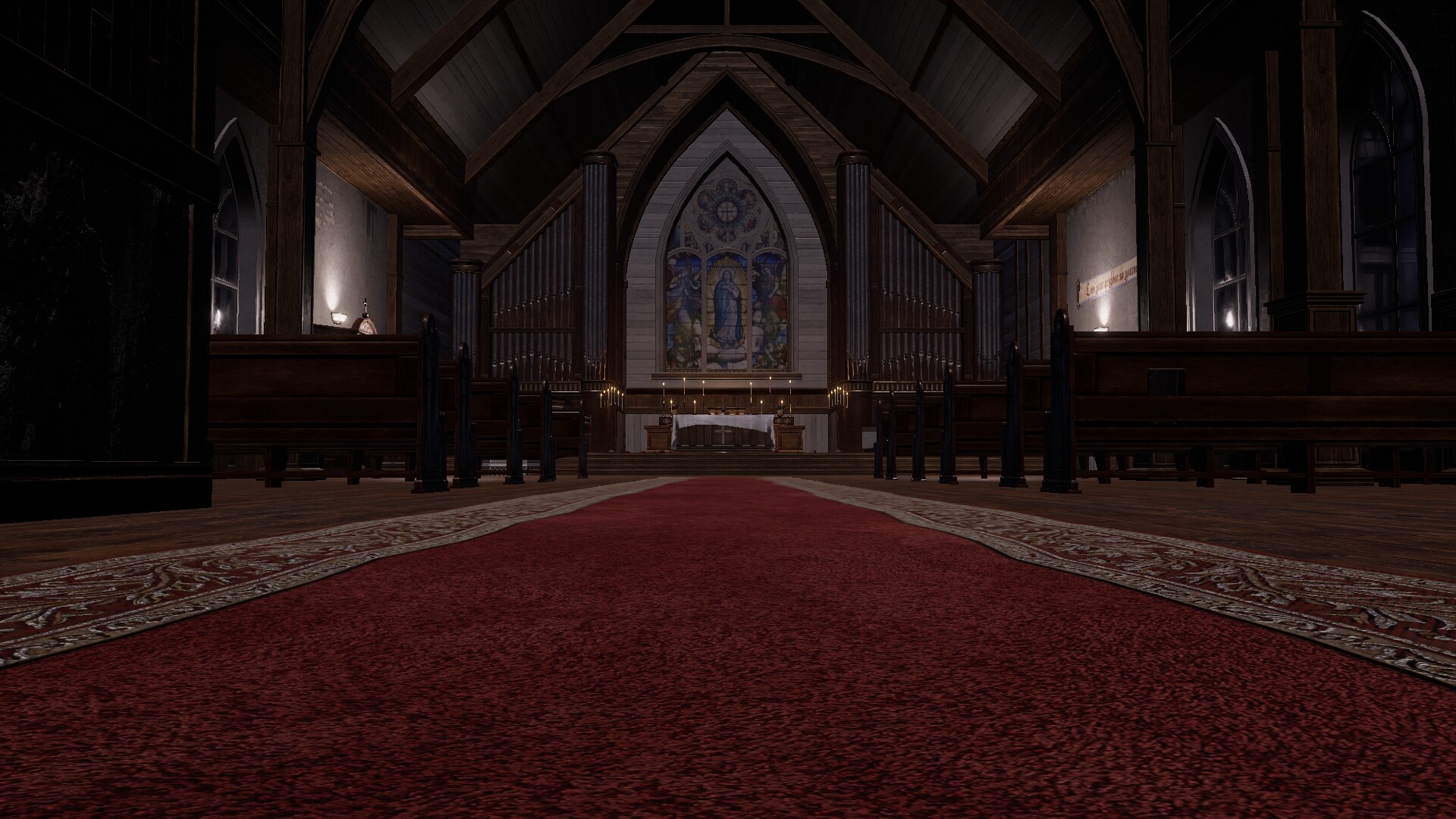
Officially described on Steam, Trace of the Villa casts Jin as a driven investigator following cold leads into a deliberately forgotten estate. The mansion’s rooms look as if occupants “vanished mid-routine”; restoring power and exploring reveals secured systems, hidden compartments, safes, and fragments of encrypted documents. Puzzles are embedded in those discoveries: manifests, suspicious transfer records, falsified identities and other traces that form a financial and narrative trail rather than combat encounters or timed action sequences.

When and where
Trace of the Villa was released on Steam on 28 May, 2026. It appears on the Steam store as a PC indie title published and developed by Steadyturtle Co., Ltd.
Why the theme matters: clue-driven puzzles over fast pacing
Trace of the Villa leans into environmental storytelling and investigative momentum. The game’s design — revealed in its official copy — emphasizes finding and assembling documentary fragments, restoring systems to make new evidence accessible, and untangling falsified records. That structure encourages a slow-burn approach: clues produce logical leaps rather than twitch-based skill checks, and narrative progression is gated by deduction and object logic rather than enemies or timed escape sequences.
How you progress: reading clues, using object logic, solving story puzzles
- Clue reading: the estate yields manifests, encrypted documents and transfer records. The text and structure of those materials are intentionally part of the puzzle loop.
- Object logic: personal belongings and locked safes act as both set dressing and puzzle items; interacting with devices and restoring power changes available interactions and reveals new evidence.
- Story puzzles: progression ties back into the narrative — each solved containment (a safe, a locked system) exposes another layer of the operation that used the mansion, linking financial traces to falsified identities and undocumented arrivals.
Player scenarios — who will enjoy this most
- Investigative slow-burn player: you like methodical clues, cross-referencing documents, and narrative payoffs that arrive after careful assembly of evidence.
- Atmosphere-first explorer: you value mood, decaying interiors, and the sense that the environment itself holds the answers; timed pressure or combat would weaken the tone for you.
- Puzzle-logician: you enjoy object-based puzzles where the solution emerges from examining items, toggling systems, and applying logic to in-world records rather than trial-and-error minigames.
- Accessibility-minded single-player: the Steam categories note subtitle options and “playable without timed input,” so players who need or prefer untimed puzzles will find the design appropriate.
Comparison: where Trace of the Villa sits among puzzle-adventure peers
Below is an editorial comparison focused on genre, atmosphere, puzzle focus, exploration style, story tone, and pacing to help decide if the title fits your tastes.
| Title | Genre(s) | Puzzle focus | Atmosphere / Story tone | Pacing / Playstyle |
|---|---|---|---|---|
| Trace of the Villa | Action, Adventure, Indie | Clue-driven documents, safes, object logic; restores systems to unlock new evidence (official Steam info) | Mansion mystery, erased identities, slow psychological investigation | Slow-burn investigative; untimed options; single-player exploration |
| The Room | Adventure, Indie | Mechanical puzzle boxes and tactile object puzzles | Mysterious, intimate locked-room puzzles | Focused, stage-by-stage puzzle encounters |
| The Room Two | Adventure, Indie | Expanded object-based puzzles across more varied locales | Cryptic, atmospheric, curiosity-driven | Measured puzzle progression; still focused on discrete puzzle scenes |
| Escape Simulator | Adventure, Casual, Indie, Simulation | Highly interactive escape-room puzzles; physics and manipulation | Playful to tense depending on room; social co-op possible | Room-based puzzles with emphasis on interaction; supports co-op/community content |
| Unpacking | Casual, Indie, Simulation | Zen, item-placement puzzles that reveal life stories | Quiet, domestic, reflective | Low-pressure, tactile, narrative through objects |
Deciding whether to wishlist or buy
Wishlist Trace of the Villa if you prioritize investigative, narrative puzzle design and enjoy environmental clues that require reading documents and using object logic to advance. The Steam listing’s categories (single-player, subtitle options, playable without timed input) and the premise about restored systems and encrypted fragments indicate the experience is built for reflective puzzle players rather than action-oriented or multiplayer audiences.
View Trace of the Villa on Steam
YouTube discovery
If you want footage before deciding, search for trailers and gameplay clips here: YouTube: Trace of the Villa trailer / gameplay. This link is a discovery path; individual videos should be checked for official source labels if you require verified trailers.
Editorial note & disclaimer
All in-article facts about Trace of the Villa (title, release date, developer/publisher, official short description, and Steam categories) are taken from the game’s Steam page. Comparative observations use lawful editorial criteria—genre, atmosphere, puzzle focus, exploration style, story tone
Leave a Reply