
Trace of the Villa — a clue-driven mansion mystery that privileges reading over reflexes
Trace of the Villa (Steadyturtle Co., Ltd.) drops players into a decaying estate where Jin follows manifests and hints that suggest his missing sister might still be alive. Released on 28 May, 2026 for PC on Steam, the game foregrounds careful clue-reading, object logic, and narrative puzzles rather than action-led pacing.

Quick facts
| Title | Trace of the Villa |
|---|---|
| Developer / Publisher | Steadyturtle Co., Ltd. |
| Release date | 28 May, 2026 |
| Steam AppID | 3483660 |
| Genres | Action, Adventure, Indie |
| Categories | Single-player; Color Alternatives; Custom Volume Controls; Playable without Timed Input; Subtitle Options; Family Sharing |
| Short premise | Jin searches a remote, decaying mansion where recovered manifests and hints indicate his sister may still be alive. |
What Trace of the Villa is (and what it isn’t)
Steam lists Trace of the Villa under Action / Adventure / Indie, but the experience presented on the store page emphasizes environmental storytelling and investigative puzzle loops. The core loop is investigative: restore systems, open secured compartments, decrypt fragments, and trace financial and identity threads. That design leans toward slow-burn suspense and story puzzles rather than twitch combat or timed action sequences — reinforced by the game’s Steam category “Playable without Timed Input.”
When and where
Trace of the Villa launched on Steam on 28 May, 2026. The Steam page (AppID 3483660) lists Steadyturtle Co., Ltd. as both developer and publisher and includes options such as subtitle settings and color alternatives for accessibility.
Why the theme matters: atmosphere, identity, and paperwork as clues
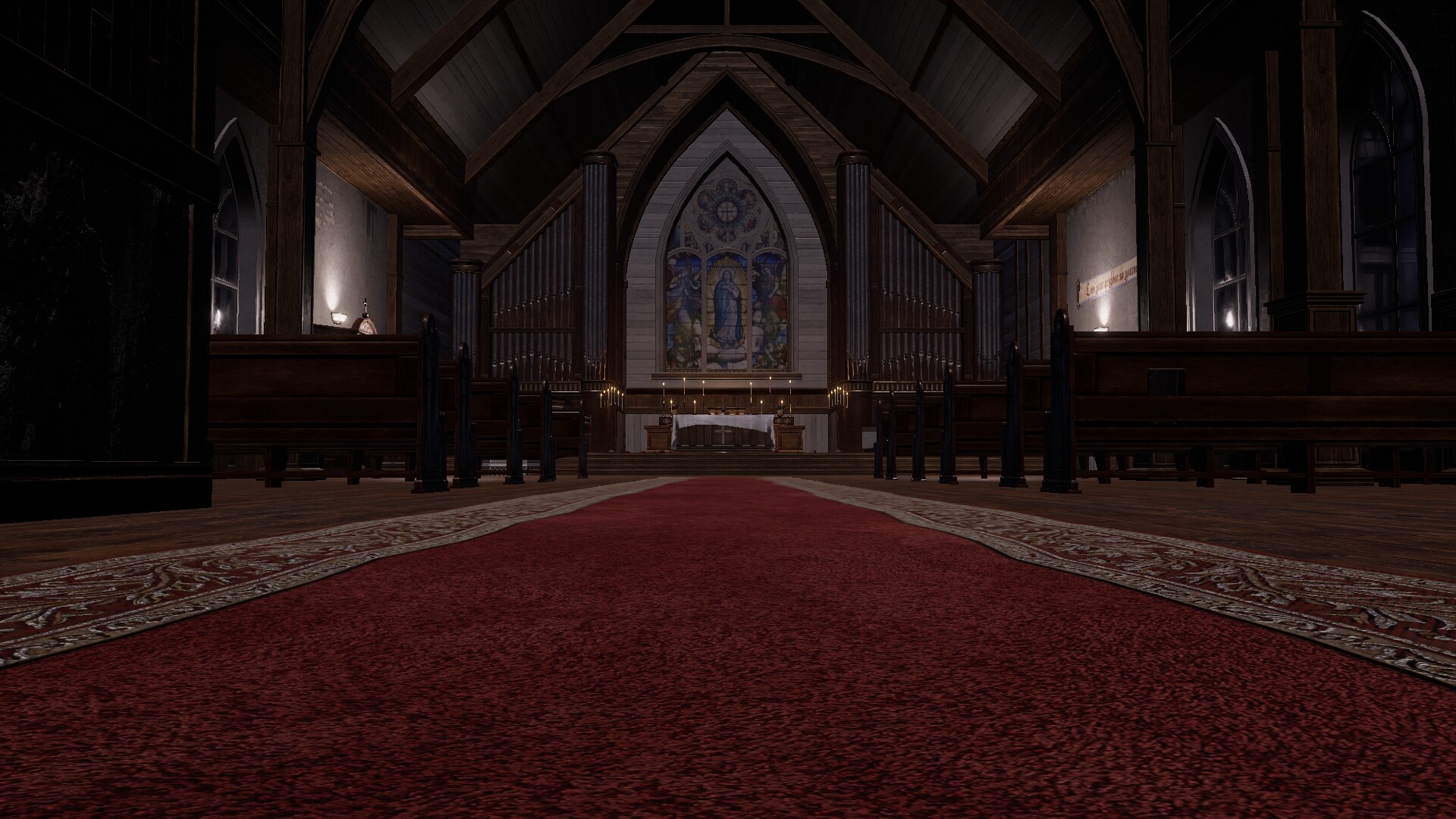
The mansion your protagonist explores is described on Steam as “deliberately forgotten,” with rooms that feel “less abandoned than erased.” That tone matters for players who enjoy puzzles tied to narrative discovery: the absence of names or photographs becomes a clue in itself. Official store text indicates that when Jin restores power, “secured systems come back online. Hidden compartments unlock. Safes yield fragments of encrypted documents and suspicious transfer records.” Those kinds of puzzle rewards push players to treat manifests and mundane documents as narrative evidence, making the act of reading and connecting dots the primary gameplay satisfaction.
How you read clues and progress
Puzzle progression in Trace of the Villa is built around evidence chaining. The Steam description explicitly mentions: restoring power revealing secured systems, hidden compartments unlocking, and safes yielding encrypted documents and suspicious transfers. That suggests a layered approach: physical object interaction (locks, safes), recovered data (manifests, encrypted fragments), and contextual synthesis (piecing together timelines and financial trails). Players who enjoy carefully noting names, timestamps, and discrepancies will get the most out of the mystery—this is a game where pattern recognition and patient cross-referencing advance the narrative.
Who should wishlist it?
- Players who prefer clue-driven exploration and story puzzles over fast-paced action.
- Fans of atmospheric mansion mysteries and environmental storytelling who enjoy reading documents and reconstructing timelines.
- Anyone who values accessibility options like subtitles, color alternatives, and the ability to play without timed inputs.
Player scenarios — concrete examples
- Detective-at-home: You like pausing, annotating in a notebook, and retracing clues across rooms. Trace of the Villa rewards that methodical approach.
- Slow-hour mystery: If you treat evening sessions as reading time, the game’s document-driven reveals and slow-burn tension fit neatly into multi-hour investigation blocks.
- Accessibility-first player: With subtitle options, color alternatives, and no mandatory timed inputs, the game is friendly to players who prefer pace control.
How it sits alongside related puzzle adventures
Below is a compact editorial comparison to help decide if Trace of the Villa matches your puzzle appetite. These comparisons focus on puzzle focus, atmosphere, exploration style, and pacing rather than any claims of quality or popularity.
| Title | Release | Core puzzle focus | Atmosphere / pacing | How it compares to Trace of the Villa |
|---|---|---|---|---|
| The Room | 28 Jul, 2014 | Tactile, mechanical safe-and-box puzzles | Claustrophobic, puzzle-box pacing | More mechanical and tactile; fewer document-driven narrative threads than Trace of the Villa’s investigative focus. |
| The Room Two | 5 Jul, 2016 | Extended mechanical puzzles across varied environments | Mystical, puzzle-led progression | Similar emphasis on puzzle structure, but generally less focused on narrative-document synthesis than Trace of the Villa. |
| Escape Simulator | 19 Oct, 2021 | Highly interactive escape-room style puzzles | Faster, room-based and item-interaction heavy | More physics and grab-and-move interactions; Trace of the Villa is steadier and more story-puzzle oriented. |
| Unpacking | 1 Nov, 2021 | Object placement revealing life-story through items | Zen, reflective, slow-paced | Shares narrative-through-objects sensibilities, but Unpacking is slice-of-life and non-mystery; Trace of the Villa uses documents as investigative evidence. |
| hack_me | 5 Jan, 2017 | Hacker-simulation, code/command puzzles | Simulation-focused, task-driven | Very different tooling and puzzle language; Trace of the Villa centers environment and story rather than simulator mechanics. |
YouTube discovery
For trailers or gameplay clips, search for Trace of the Villa on YouTube: Trace of the Villa trailer & gameplay search. This link points to a YouTube search; it is provided as a discovery path and not an endorsement of any particular video.
View Trace of the Villa on Steam
Leave a Reply