
Trace of the Villa — An investigation for meticulous players and lore readers
Jin’s search for a missing sister leads him to a remote, decaying mansion whose rooms look as if their occupants “vanished mid-routine.” The game leans into slow-burn suspense and environmental storytelling: restore the estate’s systems, unlock sealed compartments, and follow manifests and encrypted fragments toward a trail that may still end in answers.

Who should wishlist Trace of the Villa?
This is for players who prefer investigative pacing over constant action: meticulous explorers, lore readers, and fans of environmental mystery who enjoy assembling a timeline from documents, system logs, and the way spaces are staged. If you like digging through safes, decrypting clues, and reading a setting as if it were a witness, this one is pitched at you.
What the game is (straight from the Steam page)
Trace of the Villa is an Action / Adventure / Indie title from Steadyturtle Co., Ltd., released on 28 May, 2026 for PC via Steam. The official short description frames the premise simply: “Jin has spent years searching for his missing sister… a remote, decaying mansion where he recovered manifests and hints that indicate his sister may still be alive, somewhere at the end of the trail he is about to follow.”
When and where it’s available
Trace of the Villa launched on Steam on 28 May, 2026. The Steam page lists Steadyturtle Co., Ltd. as both developer and publisher and includes standard PC accessibility and presentation categories such as Single-player, Color Alternatives, Custom Volume Controls, Playable without Timed Input, and Subtitle Options.
Why the mansion theme matters for investigation fans
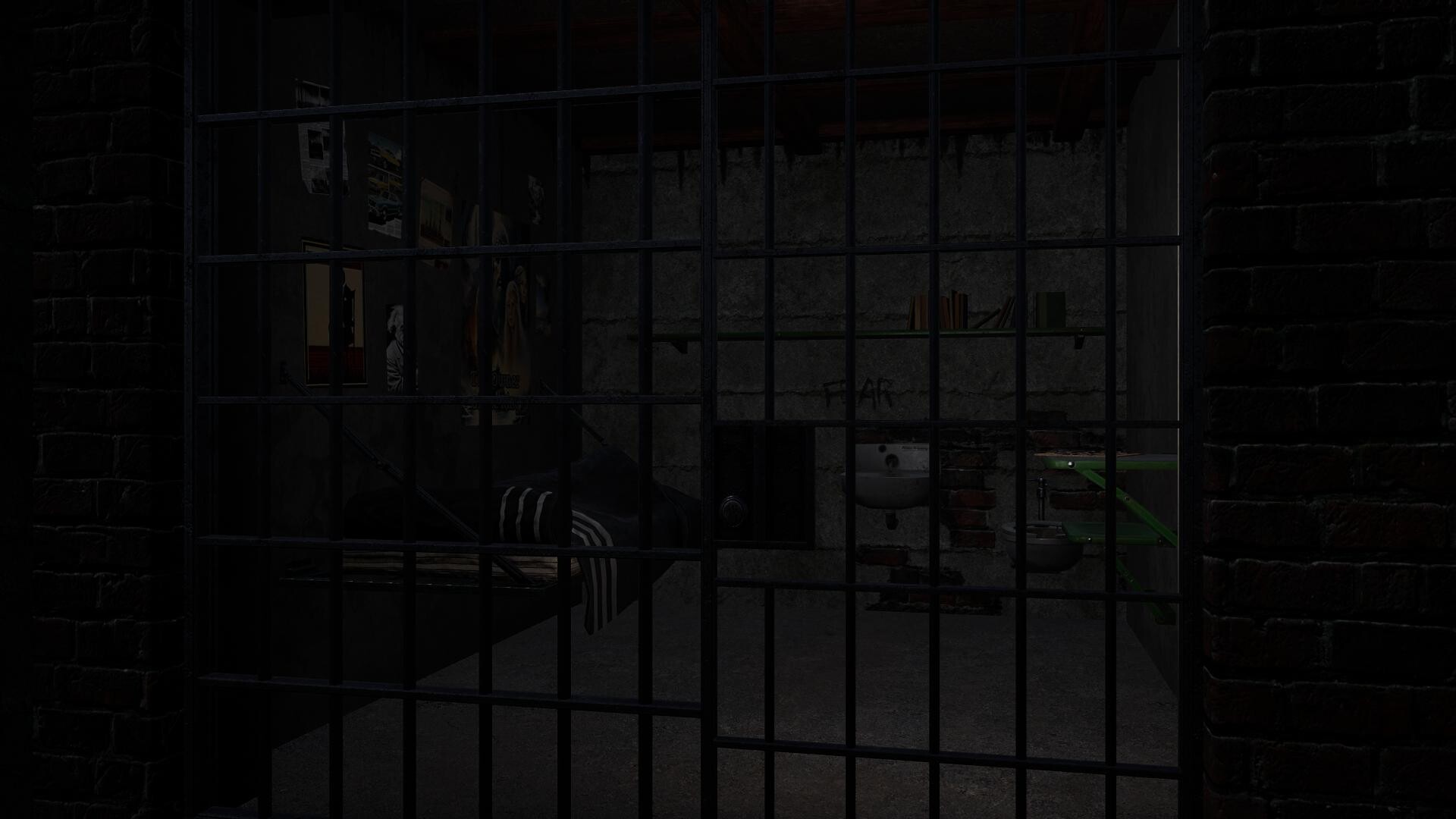
The mansion is written as a locked ecosystem: “rooms remain furnished as if their occupants vanished mid-routine,” while identities have been scrubbed — “no photographs, no names, no history.” That framing turns every object into potential testimony. For players who enjoy reconstructing motive and movement from absence rather than explicit exposition, that kind of unsettlement is the core attraction: the house itself is a puzzle piece, and restoring systems gradually reveals administrative and financial traces that reorient the investigation.
How you read clues and make progress
The Steam description highlights investigation beats you should expect: restoring power, reactivating secured systems, unlocking hidden compartments, opening safes, and recovering fragments of encrypted documents and suspicious transfer records. Progress appears tied to both physical exploration (searching rooms and containers) and a layer of document-based puzzle work — parsing manifests, following falsified identities, and tracing financial trails that “lead nowhere.” The game’s categories also promise options that help careful players (subtitles, no-timed-input playability, and color alternatives).

Player scenarios — who gets the most out of Trace of the Villa
- The methodical investigator: you slow down, catalogue each room, and treat manifests and ledgers as prime evidence. You’ll enjoy the document fragments and the way restoration mechanics gate narrative reveals.
- The lore sleuth: you prioritize context — dates, names removed from records, and suspicious transfers — and assemble a backstory from private items and erased identities rather than cinematic set pieces.
- The relaxed puzzle player: timed inputs aren’t required according to Steam categories; you want to think through safes and decryptions at your own pace without action pressure.
Compact facts — Trace of the Villa
| Title | Trace of the Villa |
|---|---|
| Developer | Steadyturtle Co., Ltd. |
| Publisher | Steadyturtle Co., Ltd. |
| Release date | 28 May, 2026 |
| Steam AppID | 3483660 |
| Genres | Action, Adventure, Indie |
| Key categories | Single-player; Color Alternatives; Custom Volume Controls; Playable without Timed Input; Subtitle Options; Family Sharing |
| Short premise | Jin investigates a decaying mansion and recovers manifests and hints suggesting his missing sister may still be alive. |
How it compares — lawful editorial discovery
Below is a concise comparison to other narrative mystery and exploration titles, focusing on style, puzzle emphasis, and the players who will likely prefer each experience.
| Title | Core genre / feel | Puzzle focus | Exploration style | Best for players who… |
|---|---|---|---|---|
| Trace of the Villa | Action / Adventure — mansion mystery, environmental storytelling | Document recovery, safes, encrypted fragments; systems restoration | Contained, room-by-room investigation in a single estate | Prefer slow-burn investigation and piecing narrative from artifacts |
| Inscryption | Adventure / Indie — card-based, psychological | Escape-room style puzzles wrapped in card mechanics | Layered meta-rooms and card-table segments; more abstract | Enjoy experimental structure, meta-secrets, and deck-based problem solving |
| Outer Wilds | Action / Adventure — open-world mystery, time-loop | Environmental puzzles tied to orbital physics and discovery | Open solar-system exploration with emergent investigation | Like wide-open space to discover causal chains and timelines |
| Journey | Adventure / Indie — contemplative exploration | Puzzle-lite, focused on traversal and mood | Expansive landscapes oriented around visual storytelling | Want a wordless, atmospheric experience more than forensic detail |
| The Forgotten City | Adventure / Indie / RPG — narrative-driven time loop | Moral and logical puzzles that hinge on dialogue and time mechanics | Focused area with narrative branching and replay to test theories | Enjoy tightly-scripted narrative puzzles and branching outcomes |
| The Medium | Adventure — psychological horror, dual-realm exploration |
Leave a Reply