
Trace of the Villa — an investigation for meticulous players and lore readers
Trace of the Villa puts you in Jin’s shoes: a quiet, slow-burning search through a deliberately erased mansion where every restored circuit and unlocked safe reveals another fragment of a carefully hidden operation. For players who read item labels, map scratches, and encrypted manifests like a detective reads evidence, this release offers a focused narrative puzzle loop rooted in environmental storytelling.

Quick facts
| Title | Trace of the Villa |
|---|---|
| Release date | 28 May, 2026 |
| Developer / Publisher | Steadyturtle Co., Ltd. |
| Genres | Action, Adventure, Indie |
| Key Steam categories | Single-player; Color Alternatives; Custom Volume Controls; Playable without Timed Input; Subtitle Options; Family Sharing |
| Steam app | Trace of the Villa on Steam |
Who this is for
- Players who treat exploration like investigation — people who scan desk drawers, read manifests and logs, and keep notes on small discrepancies.
- Lore readers who enjoy piecing together identity puzzles from fragments: falsified records, transfer receipts, and encrypted documents that hint at a larger operation.
- Fans of atmospheric mystery adventures and slow-burn suspense where the house itself is the primary storyteller.
What the game is
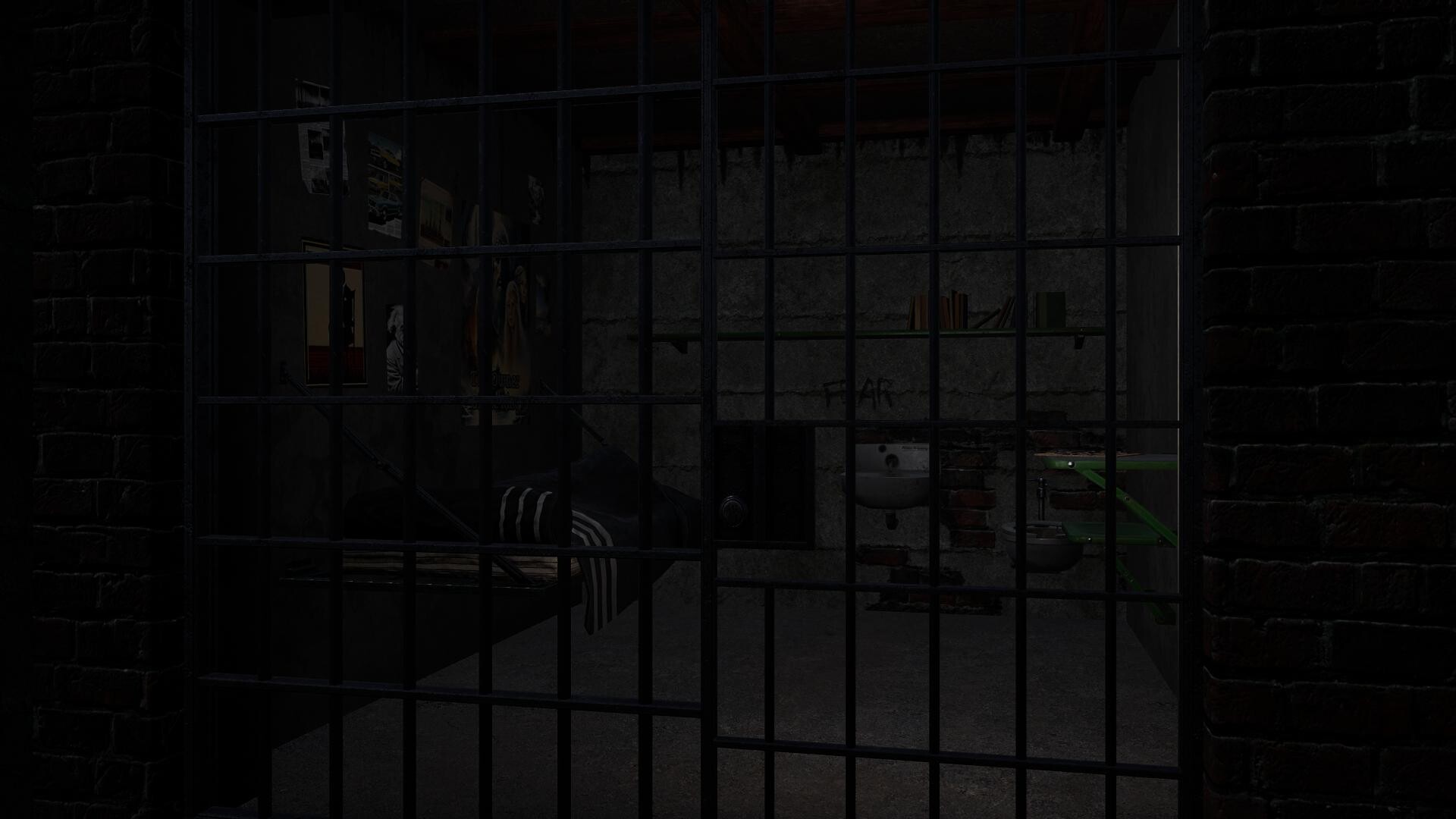
According to the Steam description, Trace of the Villa follows Jin, who has spent years searching for his missing sister. A lead points him to a remote, decaying mansion with no recent records or active ownership; inside, rooms look as if their occupants vanished mid-routine. When Jin restores power to the estate, secured systems come back online, hidden compartments unlock, and safes yield fragments of encrypted documents and suspicious transfer records. The player progresses by recovering manifests and following hints that suggest Jin’s sister may still be alive somewhere at the end of the trail.
When and where
Trace of the Villa launched on Steam on 28 May, 2026. The Steam store page lists Steadyturtle Co., Ltd. as both developer and publisher, and the game’s Steam appid is 3483660.
Why the theme matters (for meticulous players)
The core conceit — a house that has been “erased” rather than merely abandoned — creates a specific investigative itch. Objects that remain but names and photos that are missing cue a detective mindset: why are identities removed and financial trails routed to nowhere? For players who prize slow accumulation of knowledge and the humane curiosity of finding a person rather than just solving puzzles, the narrative is set up to reward careful reading and patience.
How you read clues and progress
The Steam description emphasizes systems and evidence recovery as primary progression tools. Expect to restore estate power, reactivate locked systems, and examine the contents of safes and hidden compartments. The game language centers on manifests, encrypted documents, suspicious transfer records, and the feel of rooms “frozen” in time — a design that favors close inspection, backtracking with new tools or information, and assembling a timeline from partial records.

Player scenarios: who will get the most out of it
- Investigation fans who keep a running dossier: You’ll want to copy down manifest entries, cross-reference transfer dates, and flag inconsistencies for later payoff.
- Lore compilers who prefer quiet detective stories: The game’s lack of explicit names and photographs invites inference; this is for players who enjoy constructing backstory from omission as much as from text.
- Puzzle explorers who dislike twitch mechanics: The Steam page lists “Playable without Timed Input,” signaling a patient, contemplative pace rather than action reflex tests.
How Trace of the Villa compares
Below is a compact editorial comparison focused on tone, exploration, and puzzle approach that helps readers decide how Trace of the Villa fits alongside other narrative-led mystery/adventure titles.
| Title | Primary focus | Exploration style | Puzzle type | Story tone / pacing |
|---|---|---|---|---|
| Trace of the Villa | Environmental mystery; evidence recovery | Contained mansion, structured discovery | Clue-driven, document/safe-based, system reactivation | Slow-burn, investigative, intimate |
| Inscryption | Card-based meta-mystery | Layered, episodic rooms and meta-areas | Puzzle + deckbuilding + escape-room elements | Bleak, uncanny, escalating surrealism |
| Outer Wilds | Open-world cosmic mystery | Large, exploratory solar system | Observation, pattern recognition, time-loop mechanics | Expansive, wonder-driven, emergent pacing |
| Journey | Exploration and atmosphere | Linear but open-feeling traversal | Environmental discovery, non-verbal storytelling | Quiet, contemplative, emotionally resonant |
| The Forgotten City | Dialogue & time-loop mystery | Focused area with repeated runs | Logic puzzles, dialogue inference, moral choices | Thoughtful, narrative-driven, puzzle-heavy |
| The Medium | Psychological horror with dual-reality exploration | Multi-layered spaces between real and spirit realms | Puzzle solving across parallel planes | Dark, haunting, slowly unfolding |
Buying/wishlist considerations
If you prioritize investigative pacing, careful reading of documents, and environmental clues over action or open-world traversal, Trace of the Villa belongs on your wishlist. The Steam store lists features helpful to investigative players — subtitles, color alternatives, and the option to play without timed input — which make focused clue reading and careful replay more comfortable.
Trailer and additional discovery
If you want to watch trailers or gameplay before you buy, search YouTube for “Trace of the Villa trailer gameplay” — this will surface developer trailers and player footage. (Search link: YouTube search: Trace of the Villa trailer gameplay.)
Disclaimer
Referenced titles and trademarks belong to their respective owners. Comparisons in this article are editorial discovery only and not claims of endorsement or connection.
Leave a Reply