
Trace of the Villa: when quiet erasure becomes the engine of dread
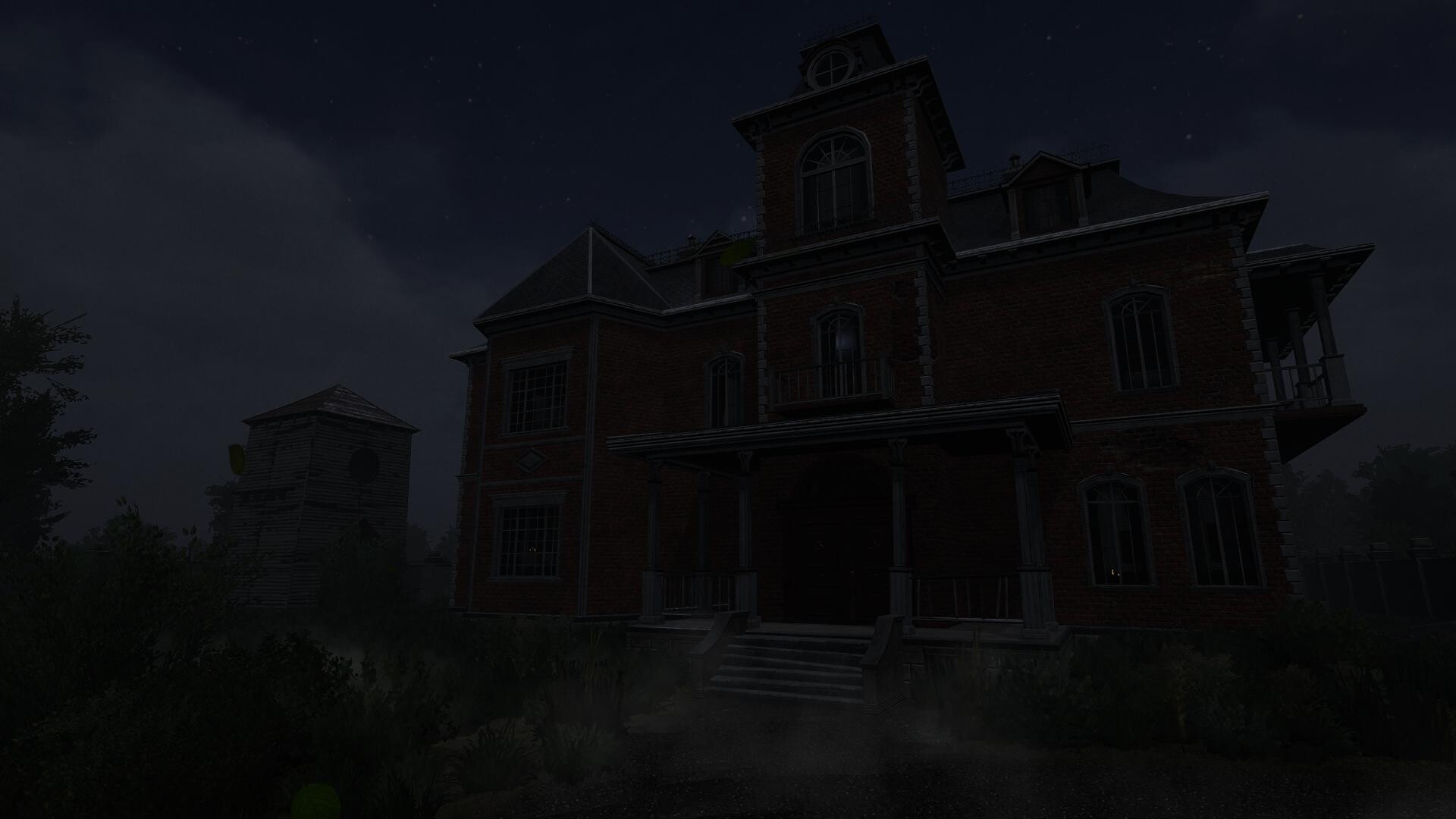
Trace of the Villa strips horror down to slow-burn uncertainty: a protagonist named Jin follows a cold lead to a decaying, off-the-grid mansion and uncovers signs that identities — and histories — have been deliberately removed. Released 28 May, 2026 by Steadyturtle Co., Ltd., the game frames investigation and puzzle-solving inside a house that feels less abandoned than erased.

Quick facts
| Title | Trace of the Villa |
|---|---|
| Steam AppID | 3483660 |
| Release date | 28 May, 2026 |
| Developer | Steadyturtle Co., Ltd. |
| Publisher | Steadyturtle Co., Ltd. |
| Genres | Action, Adventure, Indie |
| Categories | Single-player; Color Alternatives; Custom Volume Controls; Playable without Timed Input; Subtitle Options; Family Sharing |
| Store link | Trace of the Villa on Steam |
Who is Trace of the Villa for?
This is a PC/Steam audience piece for players who prefer atmosphere over jumps — those who value environmental storytelling, slowly unfolding clues, and puzzle-led exploration inside a single-player structure. If you enjoy narrative puzzle design, mansion mysteries, or psychological investigation driven by documents, secured systems, and inferred timelines rather than explicit scares, this is aimed at you. The Steam listing also highlights accessibility options (subtitles, color alternatives) and the fact it’s playable without timed input, which will appeal to methodical players who want to inspect every room.
What the game is (and what it deliberately is not)
Trace of the Villa centers on Jin, who has spent years searching for his missing sister. A lead points him to a remote, decaying mansion that was deliberately forgotten: no recent records, no active ownership, and rooms furnished as if people vanished mid-routine. When Jin restores power, secured systems and hidden compartments start to reveal fragments — encrypted documents, suspicious transfer records, falsified identities — suggesting the mansion was part of a larger, controlled operation. The Steam description frames the house as a site of erasure: personal belongings without photographs or names, movements masked, arrivals without records.

When and where
Trace of the Villa released on Steam 28 May, 2026 and is available on the Steam store page listed above. The Steam page lists developer and publisher as Steadyturtle Co., Ltd., with genres labeled Action, Adventure, Indie and multiple accessibility categories appropriate to a single-player experience.
Why quiet uncertainty and identity erasure matter more than cheap shocks
Psychological horror that leans on erasure — missing names, scrubbed records, domestic scenes frozen mid-task — trades in a specific kind of dread. Shock seeks a short-term spike in arousal; erasure produces a lingering, corrosive question: what happened here and who still exists as a person? When a mansion’s rooms lack photos or lists, the absence itself becomes evidence. That blankness forces players to act as archivists and forensic readers of place: reconstructing sequence from objects, inferring motives from transfer records, and treating furniture as testimony. In Trace of the Villa the threat isn’t only a jump-scare monster; it’s the systematic removal of identity and the implication of a controlled operation. That tone rewards players who tolerate ambiguity and enjoy assembling meaning from fragments.
How you progress: reading rooms, restoring systems, and unfolding a trail
The Steam description makes the core loop clear: investigation and restoration. Jin recovers manifests and encrypted fragments; restoring power reactivates secured systems and unlocks compartments. Progress looks like a clue-driven sequence where solving puzzles and reversing containment yields records that extend the timeline and point to the next location or locked cache. Expect a mixture of environmental puzzles, locked safes, and document-based leads rather than combat-heavy encounters — a setup that privileges observation, patience, and inference.
Player scenarios — who should wishlist this (and who should skip it)
- Wishlists if: you enjoy slow-burn mansion mysteries, environmental storytelling, and investigative puzzles that lean on documents and restored systems.
- Wishlists if: accessibility options and the ability to play without timed input matter to you; the Steam page lists subtitle options and color alternatives.
- Consider skipping if: you prefer fast-paced action, literal explanations at every turn, or gameplay that consistently rewards aggressive play over careful reading.
- Consider skipping if: you want horror to be defined by frequent explicit scares rather than a tense atmosphere of erased identities.
How it compares — short editorial table
| Title | Genre / Tone | Puzzle & exploration style | Story tone & pacing | Player fit |
|---|---|---|---|---|
| Trace of the Villa | Action / Adventure / Indie — atmospheric mystery adventure | Clue-driven, restoration of systems, locked safes, document fragments | Slow-burn, investigation with identity-erasure themes | Methodical explorers, narrative puzzle fans, single-player mystery players |
| Amnesia: The Dark Descent | Action / Adventure / Indie — immersion and fear through helplessness | First-person environmental puzzles and stealth; difficulty and survival elements | Pacing alternates between exploration and high-tension survival | Players who want immersion with stronger threat mechanics |
| SOMA | Action / Adventure / Indie — sci-fi existential horror | Exploration and puzzle moments with narrative emphasis | Slow, philosophical, and often disquieting; questions identity and consciousness | Players who want contemplative, story-rich horror with sci-fi framing |
| Layers of Fear (2016) | Adventure / Indie — psychological, mansion-based horror | Environmental puzzles inside a shifting mansion; focus on story beats | Atmospheric and episodic with an emphasis on unreliable perception | Fans of surreal, painterly narratives and unstable architecture |
| Poppy Playtime | Action / Adventure / Indie — toy-factory horror with puzzle mechanics | Puzzle-adventure with gadget use and set-piece encounters | Faster-paced, set-piece tension and chase sequences | Players who want structured puzzles and higher moment-to-moment tension |
Comparison notes
This table is an editorial comparison based on genre, atmosphere, puzzle focus, exploration style, story tone, and pacing. It is intended to help Steam players decide whether Trace of the Villa matches their tastes; it does not claim endorsement or official connection between titles.
YouTube discovery
If you want to see footage or trailers before deciding, search for Trace of the Villa on YouTube: Trace of the Villa trailer & gameplay search. This is a discovery path — individual videos may be developer uploads, previews, or player footage; verify source before treating any clip as official.
View Trace of the Villa on Steam
Disclaimer: referenced titles and trademarks belong to their respective owners. Comparisons above are editorial discovery only and based on publicly available Steam descriptions and editorial research.
Leave a Reply