
Trace of the Villa — A mansion mystery for meticulous investigators
Trace of the Villa (Steadyturtle Co., Ltd.) drops players into a decaying, off-grid mansion where Jin, a man searching for his missing sister, recovers manifests and hints that suggest she may still be alive. The release on 28 May, 2026 positions the game as a story-rich, clue-driven mystery aimed at players who read every note, examine every room, and connect quiet details into a disturbing larger pattern.

| Title | Trace of the Villa |
|---|---|
| Developer / Publisher | Steadyturtle Co., Ltd. |
| Release Date | 28 May, 2026 |
| Steam AppID | 3483660 |
| Genres / Tags | Action, Adventure, Indie — Single-player, Color Alternatives, Subtitle Options |
| Core premise | Jin searches a remote mansion for clues about his missing sister; manifests and encrypted documents suggest the trail is not finished. |
Who this is for
If you are the kind of player who pauses to read every scrap of paper, catalogs nameplates and ledger entries, and enjoys environmental storytelling that rewards patient investigation, Trace of the Villa is pitched at you. The Steam page lists it under Action / Adventure / Indie with single-player and accessibility options such as color alternatives and subtitle options — a setup that supports focused, solitary investigation rather than twitch co-op.
What the game actually is
Official materials frame Trace of the Villa as a slow-burn investigation inside a deliberately forgotten estate. You play Jin, who has “spent years searching for his missing sister” and follows a lead to a decaying mansion. The house feels “less abandoned than erased”: rooms staged mid-routine, locked doors that hide secured systems, safes with fragments of encrypted documents, and falsified identities. The core loop centres on restoring power and systems, unlocking compartments, and turning fragmentary records into a timeline.

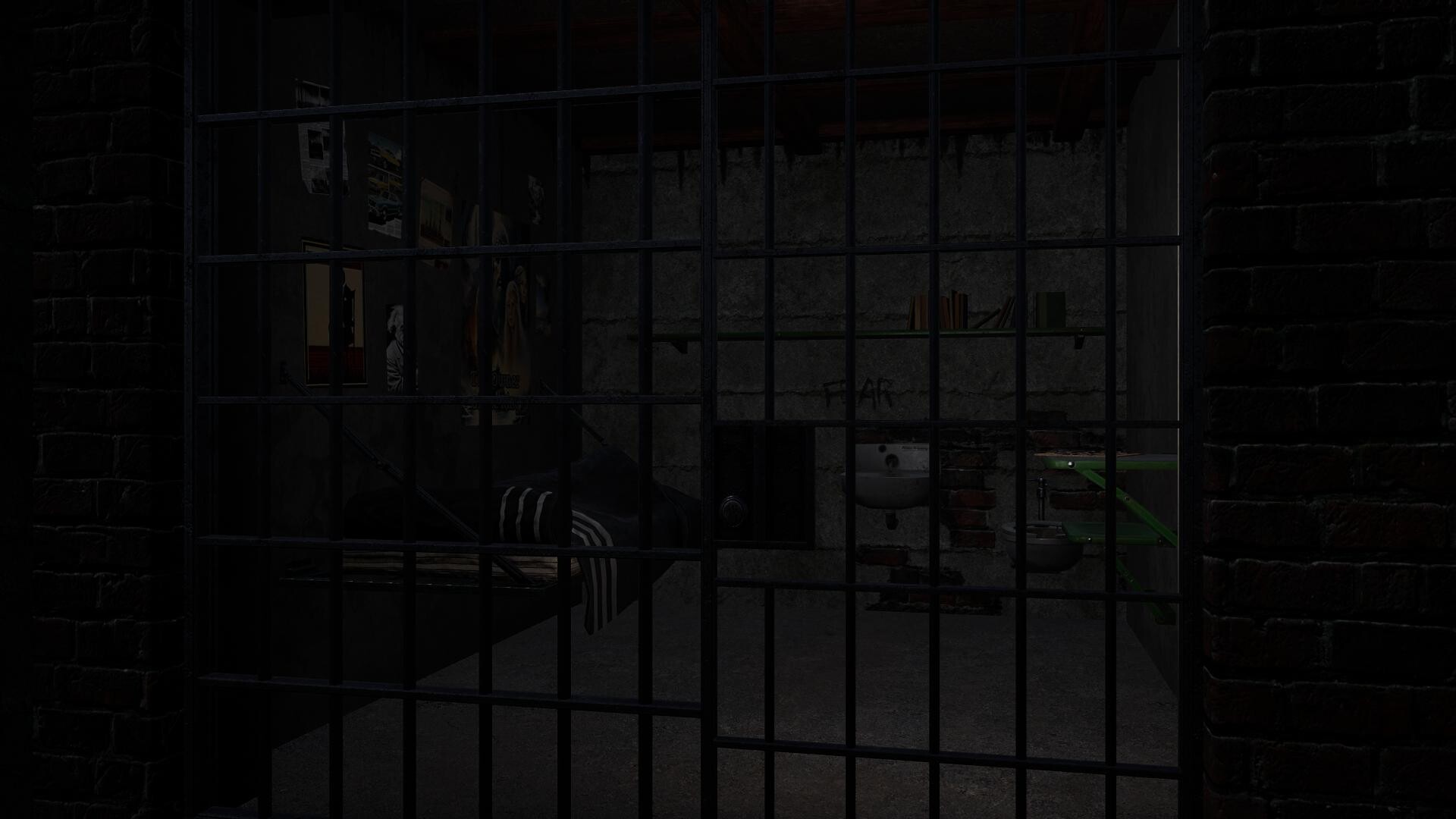
When and where — the Steam context
Trace of the Villa released on Steam on 28 May, 2026. It appears as a PC / Steam title (AppID 3483660) from Steadyturtle Co., Ltd. The Steam page lists relevant categories such as Playable without Timed Input and Custom Volume Controls, which signals a design favouring careful examination over reflex-based mechanics.
Why the theme matters — erased identities and institutional opacity
The game’s stated conceit — arrivals without records, departures without witnesses, movements masked behind false paperwork — gives the investigation a procedural, almost bureaucratic horror. For meticulous players, that matters: the mystery isn’t only about a singular supernatural reveal but about reconstructing human systems that deliberately remove traces. If you gravitate toward mysteries where telling details live in ledgers and transfer records rather than jump-scare set pieces, this framing will be appealing.
How you progress: reading clues, restoring systems, and building timelines
- Restore estate systems: bringing power back online reveals locked compartments and secured data.
- Collect fragments: safes and manifests yield encrypted documents and suspicious transfer records you must piece together.
- Reconstruct identities: the game foregrounds falsified identities and missing photographic records — it rewards players who map names, dates, and transfers to form a chain of custody.
The Steam description makes clear the gameplay emphasizes environmental storytelling and investigative puzzle design rather than combat-heavy set pieces; listed categories such as “Playable without Timed Input” support that emphasis.
Player scenarios — who should wishlist this
Scenario A — Lore reader: You’ll spend hours cross-referencing manifests and cataloguing undated notes. The game’s focus on falsified records and fragmented timelines rewards persistent note-taking and reconstruction.
Scenario B — Investigation fan: You like methodical workflows: restore systems, scan rooms, reroute power, decrypt partial documents, and infer missing links. Trace of the Villa appears to center those loops.
Scenario C — Atmospheric explorer: If you prize slow-burn suspense and a mansion that communicates story through objects and maintenance records, this is likely a better fit than players who want frequent combat or fast-paced puzzles.
How it compares — a compact editorial table
| Title | Shared traits | How it differs from Trace of the Villa |
|---|---|---|
| Inscryption | Escape-room puzzle feel, layered meta-secrets, psychological tone | Card-based, meta-structured puzzle design vs Villa’s environmental/mansion-based clue work and timeline reconstruction. |
| Outer Wilds | Exploration-driven mystery, piecing together a timeline from environmental clues | Open-space cosmic mystery with emphasis on discovery and loops, unlike Villa’s focused manor-scale investigation and document-driven unraveling. |
| The Medium | Psychological investigation in a single location, atmosphere-forward storytelling | Dual-realm mechanics and direct psychological horror contrasts with Villa’s procedural document-reconstruction and less overtly supernatural framing (per official description). |
Trailer and further discovery
If you want gameplay or trailer footage, search YouTube with this query path (results will include trailers and player footage): Trace of the Villa trailer & gameplay on YouTube. The Steam page and community content may provide additional clips and impressions.
View Trace of the Villa on Steam
Disclaimer: referenced titles and trademarks belong to their respective owners. Comparisons above are editorial discovery to help readers decide fit and focus, not claims of endorsement or ranking.
Leave a Reply