
Trace of the Villa — a premise-first guide for players who want story context without spoilers
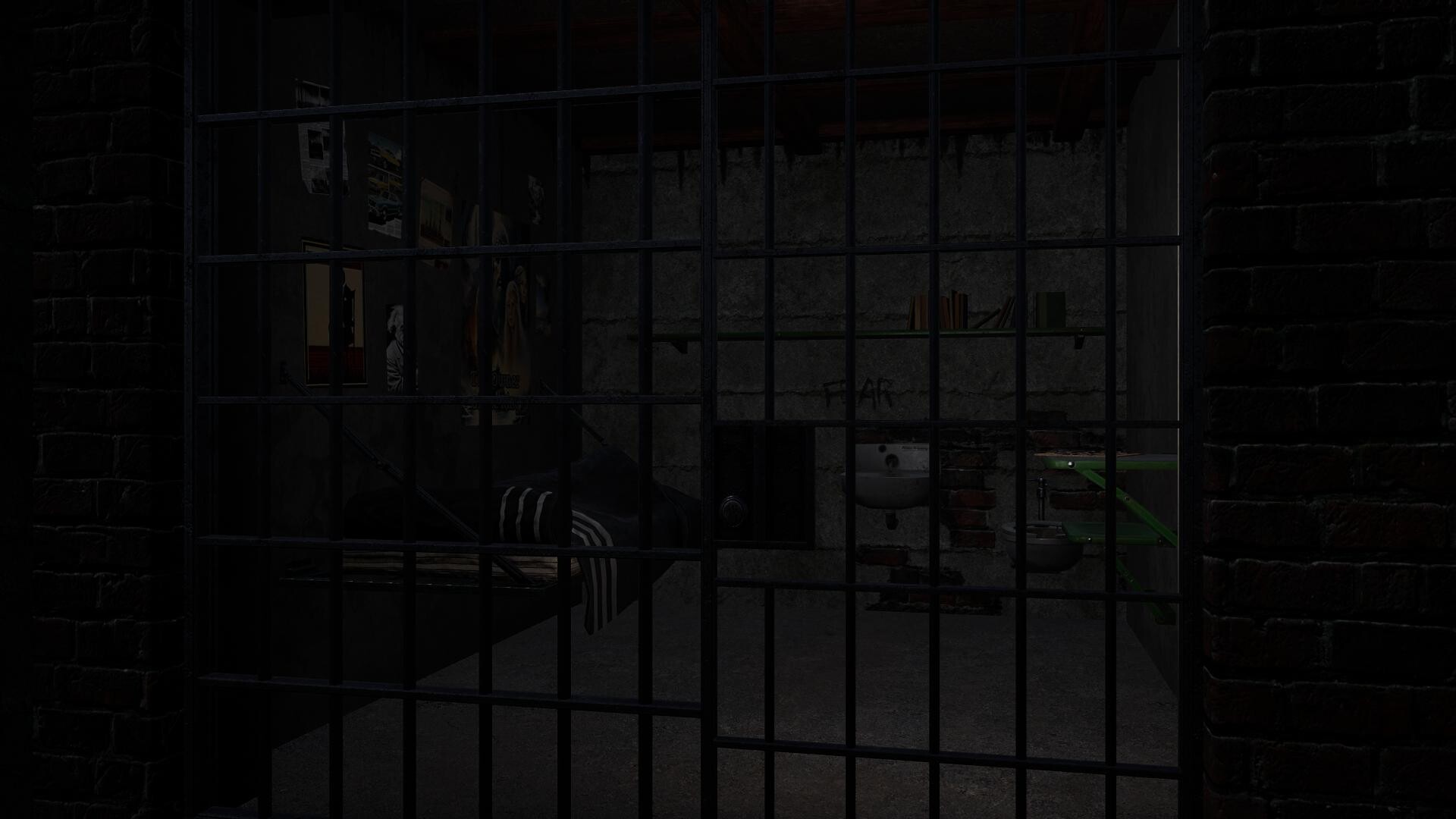
Trace of the Villa places you in Jin’s shoes: a long, personal search for a missing sister that leads to a remote, decaying mansion filled with manifests, encrypted documents, and signs of controlled occupancy. Released on 28 May, 2026 by Steadyturtle Co., Ltd., the game frames investigation as a slow-burn, clue-driven experience where the house itself is your primary storyteller.

What Trace of the Villa is — in plain terms
Who: You play as Jin, a protagonist searching for his missing sister. What: an action-adventure indie on Steam that emphasizes environmental storytelling and forensic-style clue work. Where & When: available on Steam (Release date: 28 May, 2026). Developer/Publisher: Steadyturtle Co., Ltd. Why: it’s built around the mystery of a property that appears deliberately erased — rooms left mid-routine, missing names and photos, falsified identities — and the player follows a trail of artifacts and systems to reconstruct what happened. How: by restoring power and systems, unlocking compartments and safes, and collecting manifests and encrypted fragments that piece together a larger operation.
Quick facts
| Title | Trace of the Villa |
|---|---|
| Steam App ID | 3483660 |
| Release Date | 28 May, 2026 |
| Developer / Publisher | Steadyturtle Co., Ltd. |
| Genres | Action, Adventure, Indie |
| Notable Steam Categories | Single-player; Color Alternatives; Custom Volume Controls; Playable without Timed Input; Subtitle Options; Family Sharing |
How the narrative curiosity works (without spoiling endings)
Trace of the Villa structures discovery around systems coming back online. Early in the game, Jin restores estate power and the mansion begins to return pieces of itself: secured systems, locked compartments, safes, and fragments of encrypted documents. The story advances by uncovering these artifacts and connecting financial trails, transfer records, and falsified identities. The game positions the player as an investigator who reads the environment — what’s present, what’s missing, and what’s been deliberately obscured — to build a timeline of the mansion’s role in a larger, concealed operation.
Accessibility and pacing notes
The Steam listing highlights single-player focus and accessibility options such as color alternatives, subtitle options, custom volume controls, and the “playable without timed input” category. Those cues support a slower, contemplative investigative pace where reading, decoding, and environmental puzzles are central to progression rather than twitch reactions.

Who should wishlist it (player scenarios)
- Players who prize story-rich adventure and environmental storytelling over explicit exposition — you want to read spaces and piece timelines together.
- Fans of slow-burn suspense and mansion mysteries who favor forensic puzzle-work (manifests, safes, encrypted fragments) rather than purely jump-scare horror.
- Investigative players who enjoy methodical progression: restoring systems, discovering secured compartments, and following financial or identity clues to reveal a larger conspiracy.
- Those who value accessibility options and a non-timed approach to puzzles — the Steam categories indicate subtitle support, color alternatives, and “playable without timed input.”
- Not ideal if you want quick, action-heavy arcade gameplay or a narrative spoon-fed through constant dialogue; Trace of the Villa frames its story through objects and systems.
How it compares to nearby story-driven mysteries
Below is a compact editorial comparison using lawful, descriptive criteria: genre, atmosphere/pacing, puzzle vs. exploration emphasis, and the player profile most likely to enjoy each title.
| Title | Genre | Atmosphere & Pacing | Puzzle / Exploration Focus | Player Fit |
|---|---|---|---|---|
| Trace of the Villa | Action, Adventure, Indie | Slow-burn mansion mystery, atmospheric and investigative | Clue-driven, safe/encrypted-document discovery, restoration of estate systems | Players who prefer environmental storytelling and methodical forensic puzzles |
| Inscryption | Adventure, Indie, Strategy | Dark, meta-textured; tense and unsettling | Card-based puzzles integrated with escape-room mechanics and meta-narrative secrets | Players who like layered, experimental narrative and card-driven puzzle systems |
| Outer Wilds | Action, Adventure | Open-world, exploratory, woven with curiosity and a time-loop rhythm | Exploration-led mystery across a solar system; physics and environmental puzzle solutions | Players who prefer open exploration and slow revelation across interconnected locations |
| Journey | Adventure, Indie | Poetic, minimalist, contemplative | Traversal and discovery with light puzzles; focus on mood and emotional beats | Players seeking atmospheric exploration and emotional pacing over dense mystery |
| The Forgotten City | Adventure, Indie, RPG | Investigative, narrative-heavy with ethical and philosophical beats | Dialogue and time-loop mechanics that drive puzzle and decision outcomes | Players who enjoy narrative puzzles tied to moral choices and time mechanics |
| The Medium | Adventure | Psychological horror with parallel-reality exploration | Dual-reality exploration and environmental puzzles with a darker tone | Players drawn to psychological exploration and twin-reality mechanics |
Why the theme matters
Trace of the Villa focuses on absence as a narrative device — the friction of things missing (names, photos, ownership records) becomes the central mystery. That design choice asks the player to supply connective tissue: to interpret financial anomalies, encrypted fragments, and the physical traces left behind. For players interested in investigative pacing and atmosphere-driven reveals, that thematic approach makes the mansion itself an interrogative space rather than a simply spooky backdrop.
How progression feels in practice
The Steam description emphasizes restoring estate power and accessing secured systems. Expect a progression loop where environmental problem-solving (power, locks, safes) yields documentary artifacts (manifests, transfer records, encrypted fragments) that open narrative threads. Each solved puzzle or unlocked compartment adds a piece to a timeline that suggests the mansion’s part in a larger, masked operation.
YouTube discovery
If you want to see trailers or gameplay clips, search for Trace of the Villa on YouTube: YouTube: Trace of the Villa trailer / gameplay. The link is provided as a discovery path; verify any specific video sources before assuming they’re official.
Final decision guide — short checklist
- Wishlist if: you enjoy atmospheric mystery, environmental storytelling, methodical clue-reading, and puzzle-driven narrative.
- Skip (for now) if: you need fast-paced action, cinematic exposition at every beat, or multiplayer features (the game is single-player).
- Accessibility note: the Steam listing includes subtitle options, color alternatives, custom volume controls, and a “playable without timed input” tag — useful for a wide range of players.
Leave a Reply