
Trace of the Villa — a premise-first guide for players who want story context without spoilers
Trace of the Villa drops you into Jin’s hunt: a missing sister, a remote decaying mansion, and a trail of manifests and hints that suggest she may still be alive. This guide lays out the who, what, when, where, why and how of the game’s mystery so you can decide whether to wishlist it—without spoiling the plot.

Quick facts
| Title | Trace of the Villa |
|---|---|
| Steam appid | 3483660 |
| Developer / Publisher | Steadyturtle Co., Ltd. |
| Release date | 28 May, 2026 |
| Genres | Action, Adventure, Indie |
| Key Steam categories | Single-player; Color Alternatives; Custom Volume Controls; Playable without Timed Input; Subtitle Options; Family Sharing |
| Premise (official) | Jin has spent years searching for his missing sister, pursuing leads that took him to a remote, decaying mansion where he recovered manifests and hints that indicate his sister may still be alive, somewhere at the end of the trail he is about to follow. |
| Steam page | Open Trace of the Villa on Steam |
Who this is for
If you lean toward atmospheric mystery adventure and story-rich indie games, Trace of the Villa is aimed at players who prefer clue-driven exploration and slow-burn suspense over jump-scare shock tactics. Expect appeal for:
- Players who like environmental storytelling: rooms that feel “erased” rather than simply abandoned.
- Investigation-oriented players who enjoy piecing together fragmented records, manifests and encrypted documents.
- Fans of single-player narrative adventures that pace discovery deliberately rather than handing everything up front.
What the game is (premise-first, no spoilers)
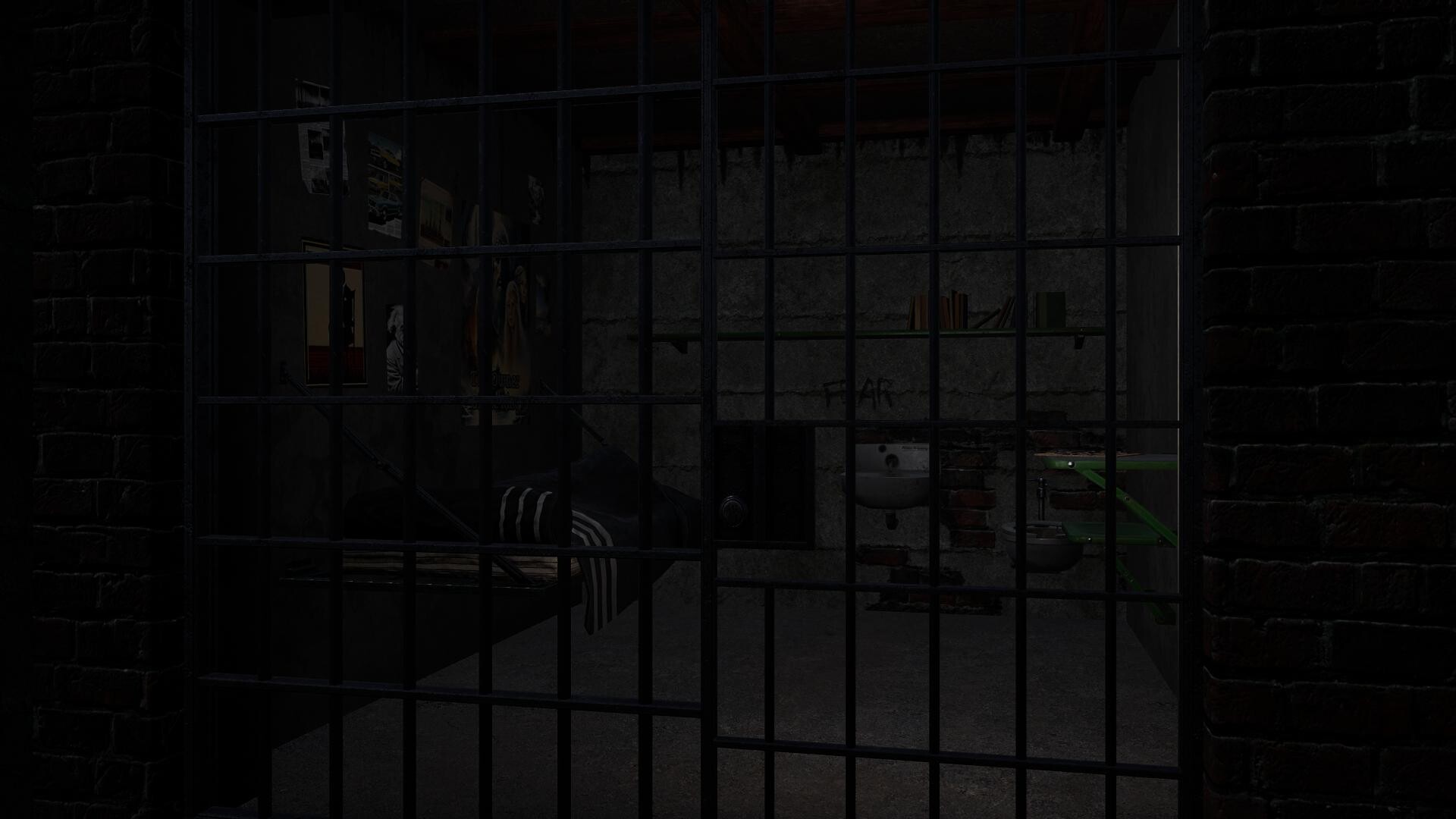
Officially, Trace of the Villa centers on Jin’s years-long search for his missing sister. A new lead points him to a remote mansion that has been cut off from the grid and kept deliberately forgotten. Inside, the estate shows signs of occupation but little traceable identity: furnished rooms with no names or photographs, locked doors and systems that only reveal their contents once power is restored. When Jin brings the house back online he uncovers hidden compartments, safes with fragments of encrypted documents, suspicious transfer records, and financial trails that don’t lead anywhere—evidence of an operation that masked arrivals and departures and falsified identities. The experience is framed as a personal investigation that progressively exposes layers of a concealed timeline.

When and where you can play
Trace of the Villa launched on Steam on 28 May, 2026. It’s a PC release on Steam (appid 3483660) from developer and publisher Steadyturtle Co., Ltd., listed under Action, Adventure and Indie and set up for single-player with accessibility options like color alternatives, custom volume controls and subtitle options.
Why the theme matters — design and tone
The official materials emphasize an erased identity motif: rooms preserved, but names and photographs removed; systems and safes that conceal rather than reveal until you re-enable them. That shapes the game’s dramatic engine: discovery is not just about solving isolated puzzles but about reconstructing a social and financial network that was intentionally hidden. For players who respond to quiet dread, methodical piecing together of clues, and a narrative that grows more disquieting as context arrives, this premise promises a strong, slow-burn investigative mood.
How you read clues and progress (spoiler-free)
Progression centers on exploration and information recovery. Expect to:
- Search furnished spaces for manifests and personal effects that act as narrative fragments.
- Restore estate systems to unlock further areas and hidden mechanisms—power and systems are gameplay levers.
- Open safes and decrypt or interpret documents and transfer records to map the mansion’s past and the people who passed through it.
The official copy emphasizes that “secured systems come back online” and that safes yield “fragments of encrypted documents and suspicious transfer records,” which suggests a gameplay rhythm of investigation, partial reveal, and inference rather than binary puzzle solutions. That design favors players who enjoy assembling context from scattered, suggestive evidence rather than those who want explicit verbal exposition immediately.
Player scenarios — which session fits you?
- Two-hour evening detective: You want to poke through rooms, read manifests, restore a circuit or two, and feel a tangible rise in unease as systems boot back up. Good for short, focused sessions.
- Weekend slow-burner: You plan several hours to map the mansion’s timeline, catalogue documents, and let the house’s history cohere. Best if you like mood and revelation to accumulate steadily.
- Puzzle-first investigator: You favor deciphering encrypted fragments and tracking financial traces. Trace of the Villa’s emphasis on encrypted documents and suspicious transfers will appeal to a forensic curiosity.
- Atmosphere and story reader: You’re here for emotional beats and environmental clues rather than action. The “erased identities” motif and room-stage preservation are crafted for players who savor implication.
How it compares — editorial discovery (no endorsements)
| Title | Genre / Core focus |
YouTube discoveryFor trailer and gameplay discovery, use YouTube search rather than relying on unverified embeds: Find Trace of the Villa trailer and gameplay searches on YouTube. CommentsMore posts |
|---|
Leave a Reply