
Trace of the Villa — a premise-first guide for players who want story context without spoilers
Jin has spent years searching for his missing sister. Trace of the Villa drops you into his investigation: a remote, decaying mansion where recovered manifests, encrypted fragments, and suspicious transfer records suggest the trail may not be finished yet.

Quick facts
| Title | Trace of the Villa |
|---|---|
| Developer / Publisher | Steadyturtle Co., Ltd. |
| Release date | 28 May, 2026 |
| Genres | Action, Adventure, Indie |
| Steam categories | Single-player; Color Alternatives; Custom Volume Controls; Playable without Timed Input; Subtitle Options; Family Sharing |
| Steam page | Trace of the Villa on Steam |
Who this is for
Players who prize atmospheric mystery adventure and environmental storytelling over loud set-pieces. If you favor slow-burn suspense, clue-driven exploration, and piecing together a hidden backstory from tangible artifacts, this is aimed at you. The Steam feature list (single-player, subtitle options, playability without timed input) also signals accessibility for methodical, observant players rather than twitch-focused audiences.
What the game is — premise, tone, and core loop
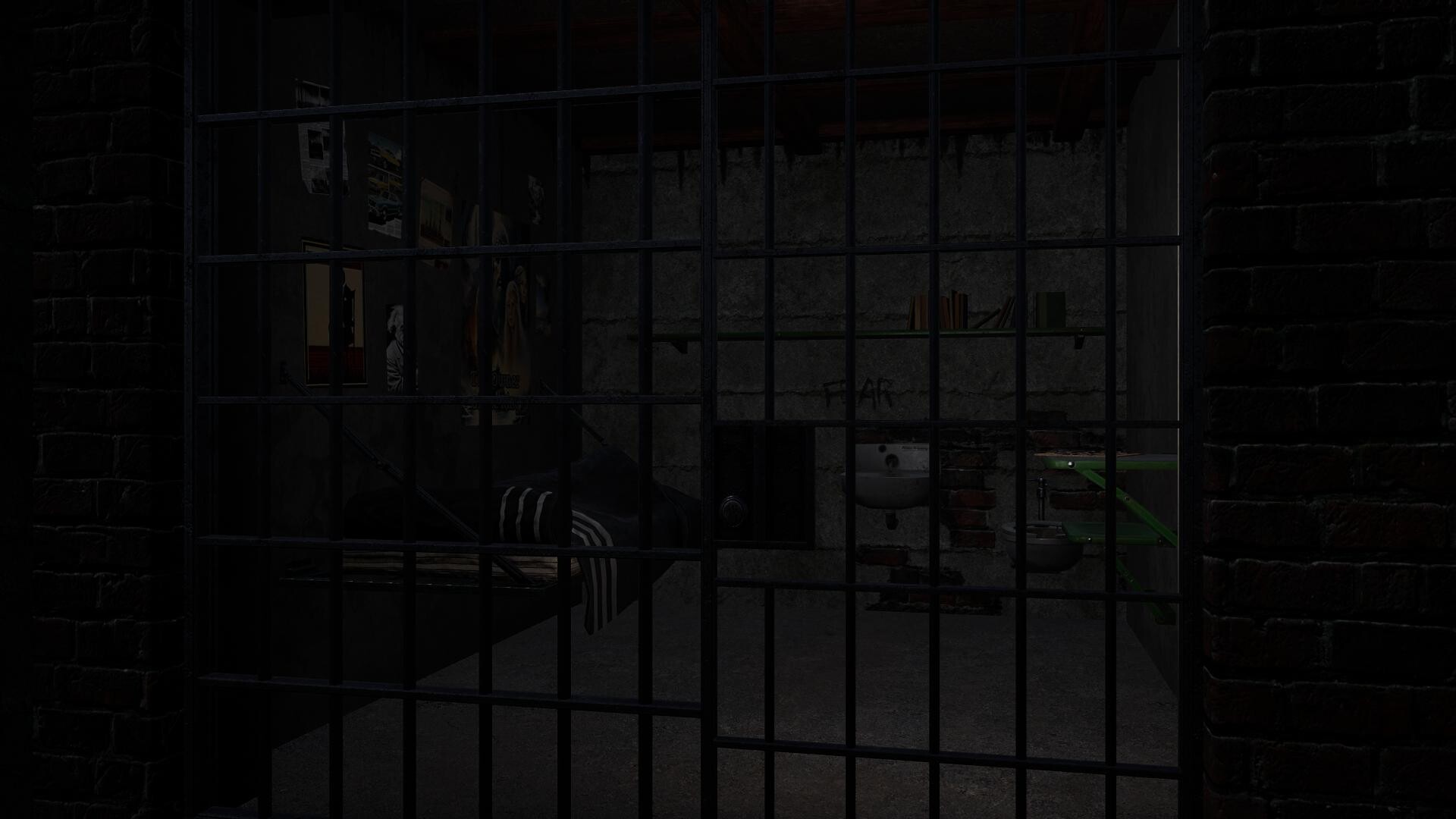
Officially described as Jin’s hunt for a missing sister that leads to a deliberately forgotten mansion, Trace of the Villa is presented as a narrative mystery with investigative action/adventure trappings. The mansion feels “erased” rather than simply empty: furnished rooms, locked doors, and personal items without names create a tone of removed identity. When Jin restores power, secured systems and hidden compartments begin to reveal manifests, encrypted documents, and suspicious transfer records—clues that point to a larger, concealed operation.

When and where — Steam context
Trace of the Villa released on Steam on 28 May, 2026. It’s listed on Steam as an Action / Adventure / Indie title and includes the categories shown above (single-player, subtitle options, playable without timed input, etc.).
Why the theme matters — identity, erasure, and investigation
The game’s premise centers on disappearance and deliberate erasure: rooms preserved but stripped of names, falsified identities, and movements concealed behind financial trails. That creates a distinct investigative rhythm—you’re not just solving puzzles for their own sake, you’re reconstructing people’s existence from material evidence. That theme is resonant for players who like their story mysteries grounded in documents, logs, and environmental detail rather than exposition-heavy cutscenes.
How you progress — reading clues and advancing the narrative
From the official description: restoring power and unlocking secured systems is a key progression mechanic. Expect to solve environmental and system-based puzzles that yield safes, encrypted documents, and manifests. Progress appears to be driven by piecing together timelines from these artifacts—financial trails, transfer records, and fragments that point to how occupants moved through the estate. The available Steam categories suggest a player-friendly pace (playable without timed input, subtitle options) that rewards careful examination and puzzle-solving rather than reflexes.
Which players should wishlist it
- Fans of atmospheric mystery adventure and slow-burn suspense who enjoy reconstructing a backstory from objects, logs, and locked compartments.
- Players who prefer methodical puzzle design and environmental storytelling over action-heavy set-pieces.
- Those who want an investigative tone that ties personal stakes (a missing sister) to a broader, concealed operation.
How Trace of the Villa compares to nearby story-rich titles
Below is a compact editorial comparison on lawful criteria: genre, atmosphere, puzzle focus, exploration style, story tone, pacing, and the kind of player fit each tends to attract.
| Title | Genre / Atmosphere | Puzzle focus | Exploration style | Story tone / Pacing | Player fit |
|---|---|---|---|---|---|
| Trace of the Villa | Action / Adventure / Indie — mansion mystery, erased identities | Document-driven, systems & safes, environmental puzzles | Contained estate exploration with locked areas revealed over time | Slow-burn, investigative, personal stakes | Players who like clue-driven investigations and atmospheric tension |
| Inscryption | Adventure / Indie / Strategy — inky, card-based, psychological | Puzzle and meta-puzzle through cards and escape-room style challenges | Layered, reveal-driven; often confined spaces and interfaces | Dark, meta-textured, often unsettling pacing | Players who enjoy narrative tricks and merging puzzles with mechanics |
| Outer Wilds | Action / Adventure — cosmic mystery, exploratory | Puzzle through observation and discovery across time loop mechanics | Open-system, solar-system scale exploration | Curious, contemplative, gradual revelations | Players who like open-ended exploration and emergent story discovery |
| Journey | Adventure / Indie — contemplative, visual storytelling | Minimal puzzles; design focuses on traversal and atmosphere | Linear to semi-open landscapes, emphasis on movement | Poetic, quiet, short-form pacing | Players seeking emotional atmosphere and minimalist narrative |
| The Forgotten City | Adventure / Indie / RPG — mystery with time-loop mechanics | Puzzles tied to logic, dialogue, and temporal mechanics | Exploration of a single, dense location with narrative consequences | Investigative with moral choices and unfolding revelations | Players who enjoy narrative puzzles and moral/temporal complexity |
| The Medium | Adventure — psychological horror, dual-reality | Puzzles split across two realms; environmental and story puzzles | Segmented, often juxtaposing real world and spirit realm areas | Psychological, tense, steady-paced reveals | Players who like haunted atmosphere and dual-reality mechanics |
Player scenarios — what to expect in a first session
- If you start the game with a patient, investigative mindset: expect to spend time scanning rooms, restoring systems, and cataloging documents that form the backbone of the mystery.
- If you prefer action or immediate answers: the game’s slow-reveal, document-based approach may feel deliberate and demanding of attention.
- If you enjoy piecing timelines together visually and textually: Trace of the Villa’s manifests, encrypted fragments, and transfer records are the exact elements that will reward you.
Watch or search for trailers and gameplay
For trailers and gameplay searches, use a YouTube discovery path rather than assuming a single official clip: Search Trace of the Villa on YouTube.
View Trace of the Villa on Steam
Disclaimer: Referenced titles and trademarks belong to their respective owners. Comparisons in this piece are editorial discovery only and not statements of endorsement or affiliation.
Leave a Reply