
Trace of the Villa — how puzzles let evidence speak without spoiling the mystery
An atmospheric mystery adventure that leans on object logic and document puzzles to tell a story, Trace of the Villa puts you in Jin’s shoes as he follows a cold lead into a remote, decaying mansion. The design favors fragmentary evidence — manifests, encrypted fragments and restored systems — so the player assembles the timeline rather than having it spelled out.

Quick facts
| Title | Trace of the Villa |
|---|---|
| Steam App ID | 3483660 |
| Release date | 28 May, 2026 |
| Developer / Publisher | Steadyturtle Co., Ltd. |
| Genres | Action, Adventure, Indie |
| Categories | Single-player; Color Alternatives; Custom Volume Controls; Playable without Timed Input; Subtitle Options; Family Sharing |
| Official short description | Jin has spent years searching for his missing sister, pursuing leads that took him to a remote, decaying mansion where he recovered manifests and hints that indicate his sister may still be alive, somewhere at the end of the trail he is about to follow. |
Who, what, when, where, why, and how
Who it’s for
Players who prefer slow-burn suspense and investigative puzzlework — those who value environmental storytelling and piecing together a case from mundane objects and documents. The game’s categories (single-player, subtitle options, playable without timed input) make it suitable for solo investigative players who want accessibility options while they read and deduce.
What the game is
Trace of the Villa centres on protagonist Jin and a search for his missing sister. A lead takes him to a deliberately forgotten mansion; inside, the house appears “erased,” with signs of past occupancy but stripped names and photos. The narrative advances as systems are restored and secured containers yield fragments — manifests, encrypted documents and suspicious transfer records — that point toward a larger, concealed operation.
When and where
Trace of the Villa released on Steam on 28 May, 2026. It is a PC/Steam indie title from Steadyturtle Co., Ltd.
Why the theme matters
The mansion-as-evidence approach turns rooms into argument: furniture and unlabelled belongings act as circumstantial testimony, while technical artefacts (locked systems, safes, manifests) provide traceable proof. That matters because it enables story-first players to feel like investigators — not just observers — without having scenes or twists mechanically spoiled by exposition.
How you read clues and progress
Puzzles are structured around discovery and reconstruction. When Jin restores power, secured systems return online and hidden compartments respond; safes and encrypted files yield fragments and financial traces. Those partial clues are meant to be stitched together by the player: object logic (how an item fits a location), document reading (manifests and transfer records) and environmental inference combine so each solved puzzle supplies evidence that advances the timeline rather than delivering whole answers at once.
Visuals from the Steam page
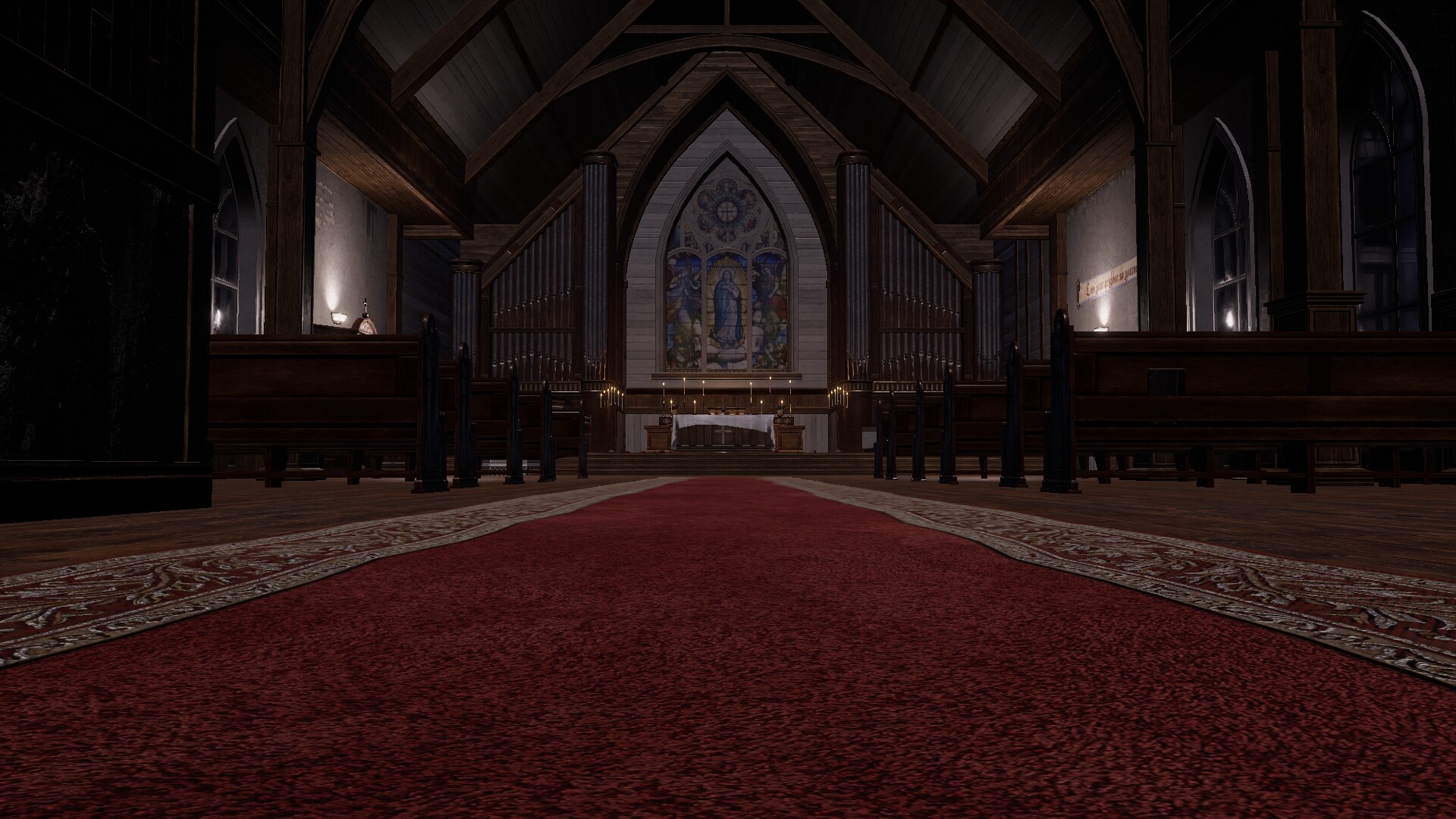

Comparison: where Trace of the Villa sits among puzzle-adventure peers
| Title | Genre / Focus | Atmosphere & Tone | Puzzle style | Exploration / Pacing | Player fit |
|---|---|---|---|---|---|
| Trace of the Villa | Action / Adventure / Indie (investigative mansion) | Slow-burn, psychological investigation; decaying mansion | Document fragments, locked systems, object logic and safes | Exploration tied to restoring systems and uncovering fragments | Players who like evidence-driven narratives and deduction |
| The Room | Adventure / Indie | Mysterious, tactile puzzle box atmosphere | Mechanical safes and tactile contraptions | Focused, room-by-room puzzle progression | Players who like concealed mechanisms and focused puzzle sequences |
| Unpacking | Casual / Indie | Quiet, domestic, observational | Spatial placement and implication through objects | Calm, scene-building pacing | Players drawn to implied story through belongings and layout |
| Escape Simulator | Adventure / Simulation / Casual | Interactive, room-based, cooperative possible | Highly interactive object puzzles; physics and manipulation | Room-focused, often puzzle-dense and varied | Players who enjoy hands-on manipulation and community rooms |
| hack_me | Indie / Simulation (hacker sim) | Technical, challenge-focused | Simulated hacking tools and systems | Task-driven, tech-centered pacing | Players who prefer simulated systems and puzzle coding |
Editorial note: the comparison above focuses on genre, atmosphere, puzzle focus and player fit to help determine whether Trace of the Villa aligns with your puzzle-adventure preferences.
Player scenarios — who should wishlist Trace of the Villa
- You’re a narrative-first investigator who enjoys assembling timelines from partial evidence rather than receiving full exposition.
- You prefer atmospheric, mansion-set mysteries where environmental detail and documents carry the weight of storytelling.
- You appreciate accessibility options (subtitle options, playable without timed input) while you read manifests and decrypt fragments at your own pace.
- You enjoy games that combine object logic with document analysis — if you liked piecing together explanation from clues in other mystery games, this title targets that same pleasure.
YouTube discovery
If you want trailer or gameplay searches, use this YouTube discovery URL (search results): Search Trace of the Villa on YouTube. This is a search path for trailers and gameplay rather than an assertion that a particular video is official.
Decide whether to wishlist
If you prioritize atmospheric mystery, environmental storytelling, and puzzle mechanics that reveal evidence in fragments, Trace of the Villa (released 28 May, 2026) will likely fit your tastes. If you prefer puzzle games that hand you
Leave a Reply