
Trace of the Villa — a premise-first guide for players who want story context without spoilers
Jin arrives at a decaying mansion with the last real lead on his missing sister: manifests, encrypted transfers, and rooms left as if their occupants vanished mid-routine. Trace of the Villa is an atmospheric mystery adventure that asks you to read the house like a witness — restoring power, unlocking sealed systems, and following financial and identity traces toward an uncertain end.

Quick facts
| Title | Trace of the Villa |
|---|---|
| Steam AppID | 3483660 |
| Release date | 28 May, 2026 |
| Developer | Steadyturtle Co., Ltd. |
| Publisher | Steadyturtle Co., Ltd. |
| Genres | Action · Adventure · Indie |
| Steam categories | Single-player, Color Alternatives, Custom Volume Controls, Playable without Timed Input, Subtitle Options, Family Sharing |
What the game is (premise-first)
Trace of the Villa centers on Jin, who has spent years searching for his missing sister. A new lead points him to a remote, deliberately forgotten mansion. Inside, the house feels less abandoned than erased: furnished rooms, locked doors, personal belongings — but no photographs, names, or clear histories. Restoring power and systems reveals encrypted documents, suspicious transfer records, and signs that the property was used to control identities and movements rather than simply house people.
The official description frames the experience as investigative and layered: solve mechanical puzzles and systems puzzles to reveal fragments of a larger, concealed operation. The story emphasis is on piecing together a timeline from tangible traces rather than through long expository scenes.
Where and when you can play
Trace of the Villa launched on Steam on 28 May, 2026. It’s presented as a PC-focused single-player experience; use the Steam page to wishlist, wishlist notifications permitting, or follow for updates.
Why the theme matters — what the narrative curiosity looks like
This isn’t a jump-scare haunted-house premise. The narrative curiosity is forensic and patient: you’re drawn by questions about identity, falsified records, and a property that exists to hide movement and erase traces. Players who value environmental storytelling will find it rewarding to reconstruct lives from artifacts, manifests, and system logs. The atmosphere comes from details left behind — furniture in mid-use, secured compartments, and a slow reveal of bureaucratic obfuscation.
How you progress — reading the mansion without spoilers
Progress is driven by clue-reading and system restoration. When Jin restores power, locked systems come back online; safes and encrypted documents become solvable puzzles; hidden compartments and secured spaces open as you recover keys and context. The gameplay loop described on the Steam page focuses on exploration, puzzle solving, and compiling fragments of evidence that together suggest arrivals without records and departures without witnesses.
Who is this for?
- Players who prefer slow-burn suspense and atmospheric mystery adventure over action-heavy horror.
- Fans of environmental storytelling who enjoy teasing narrative from props, logs, and locked archives.
- People who like puzzle-driven investigation — decoding documents, restoring systems, and following financial trails rather than being told everything in cutscenes.
- Players who want a single-player, PC-focused experience with accessibility options noted on Steam (subtitles, color alternatives, adjustable volume controls).
Specific player scenarios
Scenario A: You like methodical detective work. You read every note, cross-check manifest fragments, and find satisfaction in seeing how scattered clues knit into a pattern. Trace of the Villa matches this appetite because the mansion itself is the primary narrator.
Scenario B: You prefer atmospheric adventures to combat. The Steam listing positions the experience as exploration and puzzle recovery; the payoff is narrative context rather than frequent action beats.
Scenario C: You care about accessibility. Steam categories list subtitle options, color alternatives, and custom audio controls — useful for players who need those systems to focus on the story.
How it compares (compact editorial table)
| Game | Core mood / genre | Narrative emphasis | Puzzle / exploration style | Pacing |
|---|---|---|---|---|
| Trace of the Villa | Atmospheric mystery adventure (Action · Adventure · Indie) | Forensic reconstruction of identity and movements via house traces | Clue-driven, system-restoration puzzles; document fragments and locked compartments | Slow-burn, investigative |
| Inscryption | Card-based odyssey / psychological horror | Secrets embedded in the game’s mechanics and cards | Deckbuilding + escape-room style puzzles | Layered, twisting revelations |
| Outer Wilds | Open-world mystery (Action · Adventure) | Exploration-led cosmic mystery; time loop structure | Environmental discovery across a solar system | Exploratory, emergent |
| The Medium | Psychological horror / third-person exploration | Dual-reality narrative (real world + spirit realm) | Linear exploration with psychological puzzles | Steady tension, story-driven |
Notes: comparisons draw on editorial descriptions of tone, puzzle focus, and pacing; they are meant to help readers pick a better fit for their tastes rather than to rank titles.
Gallery

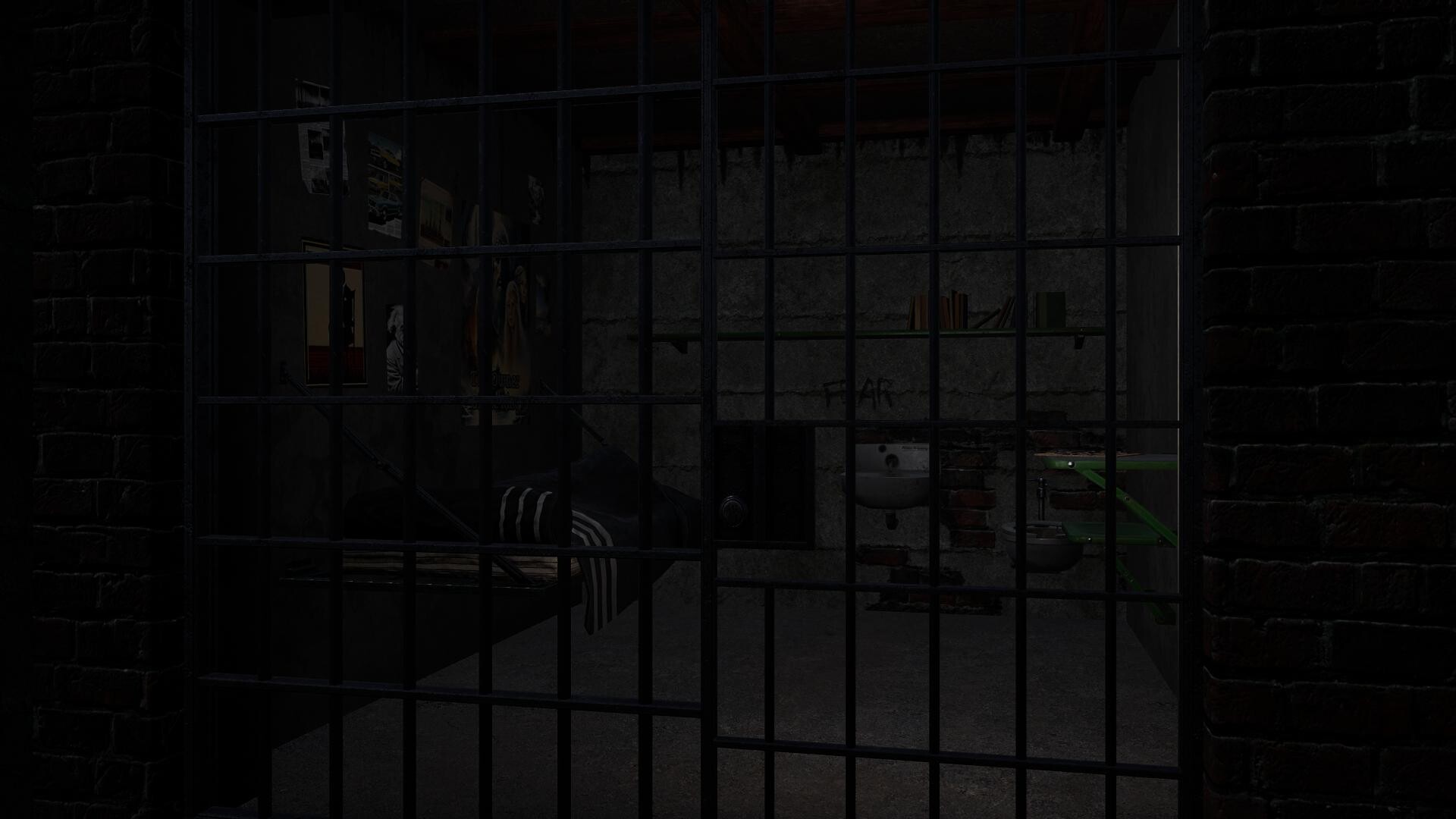
Where to find trailers and footage
If you want to see trailer or gameplay videos, use this YouTube discovery link (search results may include trailers, streams, and walkthrough clips): Trace of the Villa — YouTube search.
Decide whether to wishlist
<
Leave a Reply