
Trace of the Villa — a premise-first guide to the mystery you want to find, not have spoiled
Trace of the Villa drops you into Jin’s years-long search for a missing sister and a remote, deliberately forgotten mansion that refuses to stay silent. The game promises slow-burn, clue-driven exploration where restored power, unlocked systems, and recovered manifests reveal a concealed operation—and the possibility that the sister may still be alive.

Quick facts
| Title | Trace of the Villa |
|---|---|
| Steam AppID | 3483660 |
| Developer / Publisher | Steadyturtle Co., Ltd. |
| Release date | 28 May, 2026 |
| Genres | Action, Adventure, Indie |
| Key Steam categories | Single-player; Color Alternatives; Custom Volume Controls; Playable without Timed Input; Subtitle Options; Family Sharing |
What the game is (premise, tone, and primary loop)
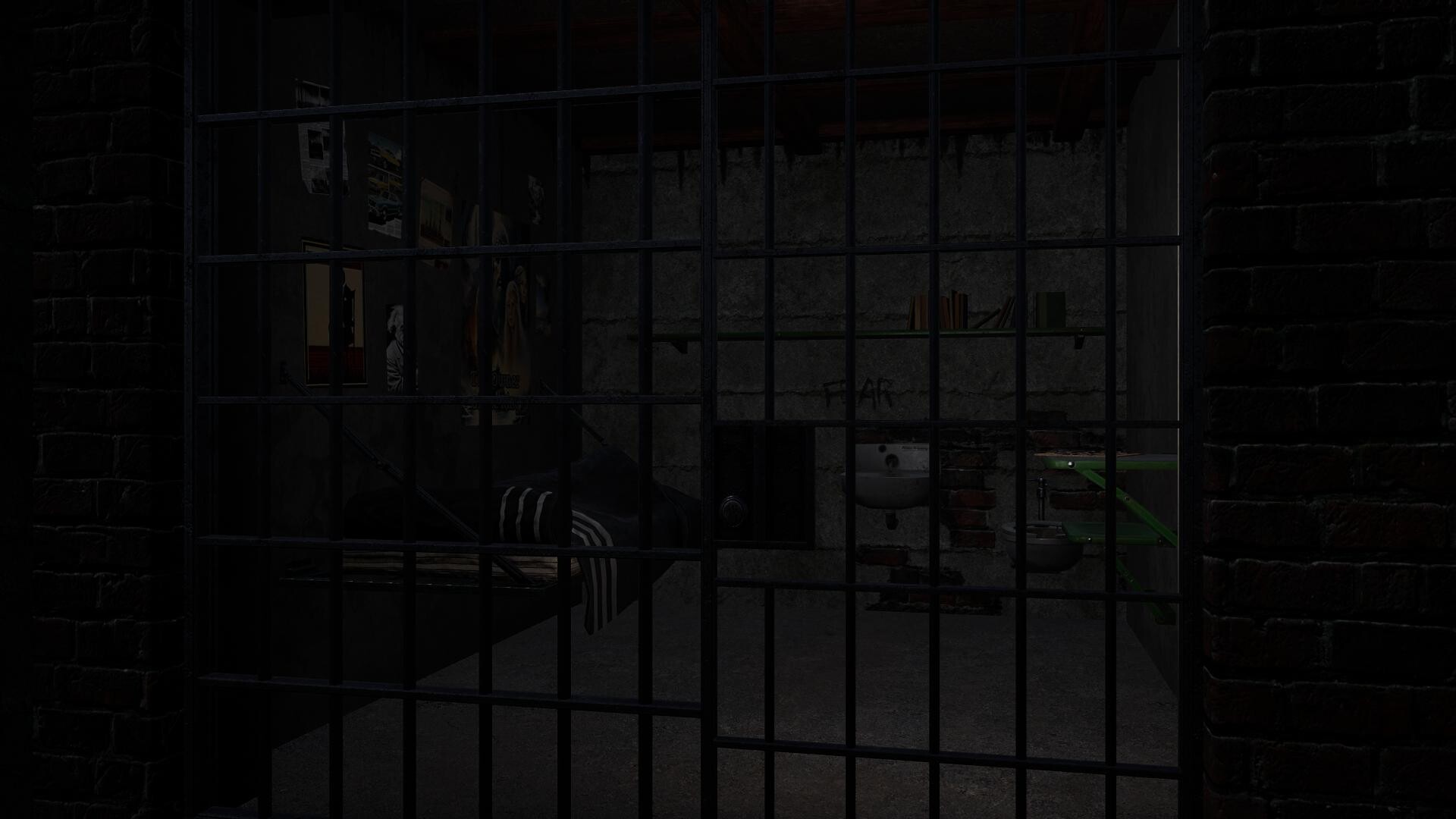
Trace of the Villa centers on Jin, who follows a cold lead to a mansion that has been “erased”—rooms left mid-routine, no names or photographs, and systems cut off from the grid. As you explore, restoring power and unlocking systems becomes both mechanical progression and story exposition: safes, hidden compartments, and encrypted documents yield fragments of manifests and suspicious transfer records. Each recovered fragment stitches together a timeline that points to coordinated arrivals and departures under strict control.
Who this is for
- Players who prize atmospheric mystery adventure over straightforward action—if you prefer puzzles that reveal story details rather than exposition dumps, this targets you.
- Fans of environmental storytelling and clue-driven exploration: the setup places narrative evidence in objects, systems, and recovered manifests rather than in long cutscenes.
- Those who like a personal motivation behind the investigation—a protagonist actively searching for a family member—so stakes feel intimate and investigative rather than purely cosmic.

When and where: Steam availability
Trace of the Villa released on Steam on 28 May, 2026. It’s a PC Steam release under the Action / Adventure / Indie genres and lists single-player and several accessibility-friendly categories (Color Alternatives, Custom Volume Controls, Playable without Timed Input, Subtitle Options, Family Sharing).
Why the theme matters
The appeal is not only “mansion mystery” aesthetics but a specific investigative engine: the mansion feels less like a haunted house and more like a deliberately controlled environment where identities and records were stripped. That makes the narrative curiosity different—players are chasing regulatory and administrative traces (manifests, transfer records, falsified identities) rather than purely supernatural signs. If you enjoy piecing together how people were moved and obscured, that structural mystery is the core conceit.
How you progress without spoilers
Progression is clue-led. Restoring power and reactivating systems converts silent set dressing into interactive evidence: locked devices come online, safes yield fragments, and encrypted files become solvable puzzles. The recovered manifests and hints point the player down the next trail—each solved node provides context for the next. Expect environmental puzzles with investigative payoffs rather than combat-forward progression or branching narrative branches advertised as choice-driven outcomes.
Player scenarios: who should wishlist it
- If you’re drawn to slow-burn suspense and careful note-taking—wishlist it. The game rewards methodical players who catalog clues and cross-reference documents.
- If you want fast-paced action or branching multiplayer drama—this is probably not your primary pick; the listed categories emphasize single-player, accessibility, and environmental cues.
- If you enjoy personal stakes and investigative plots grounded in falsified records and missing identities, this is a strong match.
How it differs from nearby narrative mystery games
Trace of the Villa leans into institutional erasure and forensic-style reconstruction (manifests, transfer records, encrypted documents) rather than cosmic puzzles or abstract symbolism. The emphasis is on the trail left by human systems, not on supernatural loop mechanics or multiplayer shared-mystery formats.
Comparison table: editorial discovery (no endorsements)
| Title | Primary genre/feel | Puzzle & exploration focus | Story tone & pacing | Player fit |
|---|---|---|---|---|
| Trace of the Villa | Action / Adventure / Indie — mansion mystery | Clue-driven, systems reactivation, document recovery | Slow-burn investigative, intimate stakes (personal search) | Players who like environmental storytelling and forensic clues |
| Inscryption | Adventure / Indie / Strategy — card-based psychological horror | Puzzle cards + escape-room style puzzles; meta layers | Dark, psychological, often abrupt tonal shifts | Players who enjoy deck-driven puzzles and metafictional reveals |
| Outer Wilds | Action / Adventure — open-world time-loop mystery | Exploration-based discovery across a sandbox solar system | Curious, systemic revelations with time-loop pacing (award-recognized) | Players who like open-ended exploration and systemic puzzles |
| The Forgotten City | Adventure / Indie / RPG — narrative time-loop | Dialogue, choice, and puzzle solutions that affect a town-scale mystery | Deliberate narrative-driven pacing, moral stakes | Players who want branching narrative and detective-style choices |
| The Medium | Adventure — psychological horror, dual-reality exploration | Parallel-realm exploration with environmental puzzle solving | Haunting, atmospheric, reflective pacing | Players who appreciate psychological themes and dual-reality mechanics |
YouTube discovery
For trailers and gameplay searches, use the YouTube query provided: Search Trace of the Villa trailers and gameplay on YouTube. This is a discovery path — do not assume any single clip you find is an official publisher trailer unless the video metadata confirms it.
View Trace of the Villa on Steam
Disclaimer: referenced titles and trademarks belong to their respective owners. Compar
Leave a Reply