
Trace of the Villa — a premise-first guide for players who want story context without spoilers
Trace of the Villa drops you into Jin’s years-long search for a missing sister: a lead points to a remote, decaying mansion where manifests and fractured records hint she may still be alive. This guide lays out who should wishlist the game, what its premise promises, when and where it’s available, why the narrative approach matters, and how the title reveals its backstory—without spoiling outcomes.

| Title | Trace of the Villa |
|---|---|
| Release date | 28 May, 2026 |
| Developer / Publisher | Steadyturtle Co., Ltd. |
| Genres | Action, Adventure, Indie |
| Steam categories / features | Single-player; Color Alternatives; Custom Volume Controls; Playable without Timed Input; Subtitle Options; Family Sharing |
| Steam AppID | 3483660 |
Who is this for?
Trace of the Villa suits players who prize narrative curiosity and slow-burn mystery over instant resolution. If you enjoy environmental storytelling, piecing together a fragmented timeline from scattered objects, and feeling your way through a deliberately unnerving location, this is aimed at you. The Steam listing tags and categories (Action, Adventure, Indie; Single-player with accessibility options like subtitles, color alternatives, and custom volume controls) suggest a single-player experience designed for focused, contemplative exploration rather than twitch-heavy multiplayer encounters.
What the game is — the premise, plainly
The official premise centers on Jin, a protagonist who “has spent years searching for his missing sister, pursuing leads that took him to a remote, decaying mansion where he recovered manifests and hints that indicate his sister may still be alive, somewhere at the end of the trail he is about to follow.” Inside the estate the game sets up a distinctive conceit: rooms feel furnished as if occupants vanished mid-routine, and personal details — photos, names, histories — appear deliberately erased. Restoring the mansion’s power brings hidden systems and encrypted fragments back to life, and those discoveries begin to map a larger, controlled operation rather than a simple domestic disappearance.
When and where — Steam specifics
Trace of the Villa released on 28 May, 2026 and is available on Steam. If you want to follow updates or wishlist it, use the Steam page link below.
Why the theme matters — identity, erasure, and slow revelation
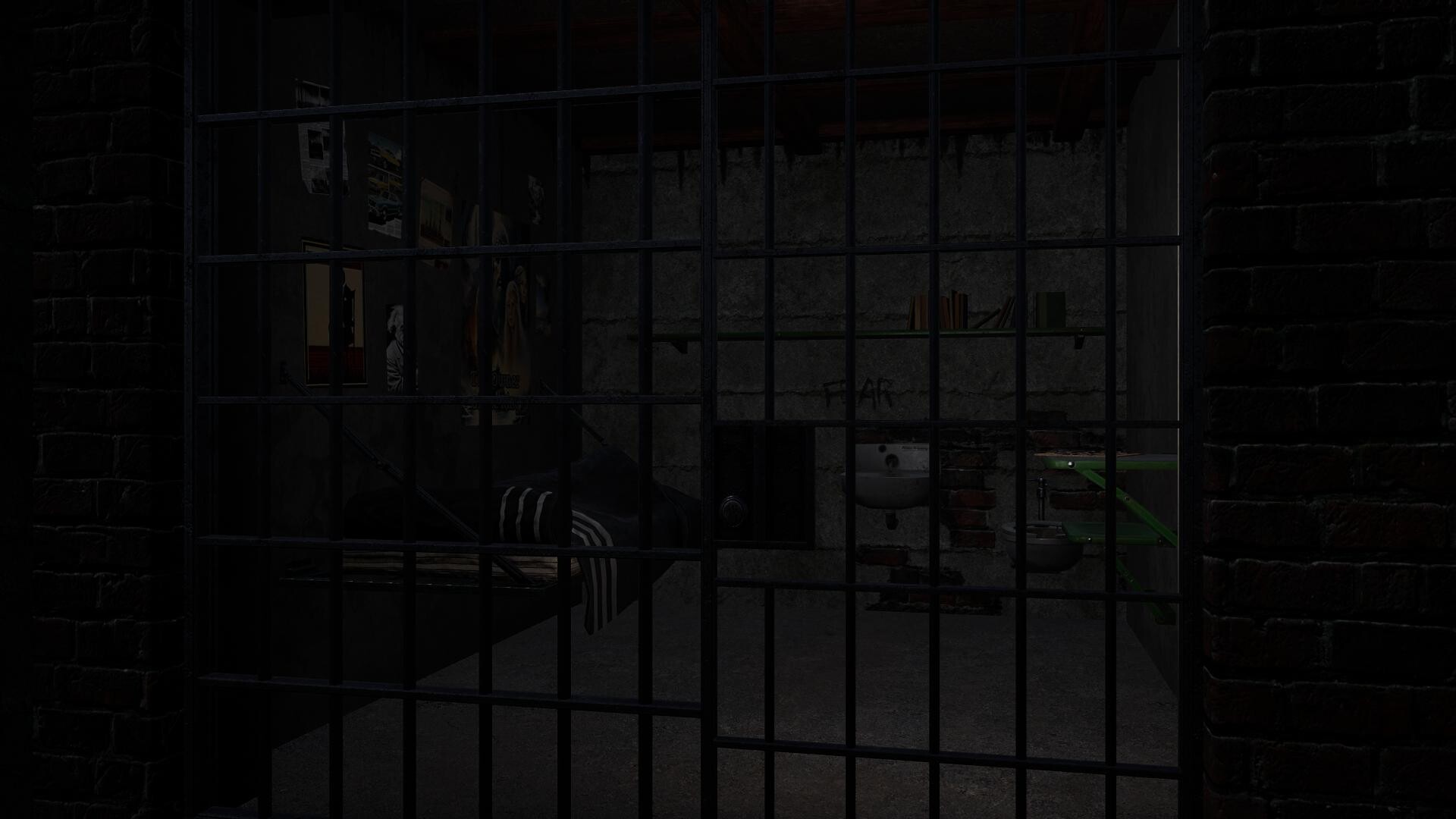
The mansion-as-evidence-vault is a strong narrative device for players who want discovery to feel earned. Official text highlights how identities seem “removed” and how secured systems, safes, and encrypted documents gradually reveal controlled movements and falsified records. That design promises a story built from accumulation: small technical details (manifests, transfer records, power systems) are as important as torn notes or a misplaced object. For readers who prefer psychological investigation and atmospheric tension over jump scares or explicit horror, that approach creates unease through inference rather than spectacle.

How you read clues and progress
The Steam description makes the investigation mechanics clear in narrative terms: Jin restores power to the estate, secured systems come back online, hidden compartments unlock, and safes yield fragments of encrypted documents and suspicious transfer records. Expect progression that rewards careful searching, puzzle-solving tied to environmental systems, and reconstruction of timelines from partial evidence. The game frames those discoveries as pointing to a “larger” operation—so advancement is less about beating an enemy and more about tightening the narrative net until the pattern becomes evident.
Player scenarios — decide whether to wishlist
- If you love methodical exploration: You’ll appreciate the inventory of manifests, encrypted fragments, and systems that reopen as you restore power; reading the house’s traces is the core loop.
- If you prefer puzzle momentum: The game blends puzzle and adventure elements; puzzles appear to be woven into environmental systems rather than abstract mini‑games.
- If you want cinematic horror or fast action: Trace of the Villa’s emphasis is narrative investigation and slow-burn suspense; players seeking pure action may find the pacing deliberate.
- If accessibility matters: Steam categories list subtitles, color alternatives, and custom volume controls, making it more approachable than some indie mysteries.
How it compares — quick editorial table
| Title | Core focus | Tone / Pacing | Puzzle / Exploration |
|---|---|---|---|
| Trace of the Villa | Mansion investigation; reconstructing erased identities | Slow-burn, atmospheric, investigative | Clue-driven, system-based discoveries (power, safes, manifests) |
| Inscryption |
YouTube discoveryFor trailer and gameplay discovery, use YouTube search rather than relying on unverified embeds: Find Trace of the Villa trailer and gameplay searches on YouTube. Reader decision checklistUse this checklist before deciding whether Trace of the Villa belongs on your Steam wishlist. The game is most relevant if you enjoy reading environmental evidence, following document trails, inspecting rooms for small inconsistencies, and letting a mystery unfold through objects rather than exposition. It is less about instant spectacle and more about the slow pressure of a place that seems to have been deliberately erased. SEO note for discovery-minded playersPlayers searching for atmospheric mystery adventure, clue-driven exploration, mansion mystery game, story-rich indie adventure, psychological investigation game, or narrative puzzle design are likely looking for the same core appeal: a PC game where the setting is not just a backdrop but the main source of evidence. Trace of the Villa fits that search intent because its official Steam premise centers on Jin, his missing sister, a remote mansion, restored systems, hidden compartments, safes, encrypted documents, and a trail of suspicious records. Final player-fit summaryWishlist Trace of the Villa if you want a slow investigation built around official Steam store elements: a 28 May, 2026 release from Steadyturtle Co., Ltd., a single-player PC/Steam mystery structure, official screenshots showing the mansion atmosphere, and a premise that uses the house itself as a puzzle box. The strongest fit is for players who prefer patience, observation, and narrative reconstruction over fast combat or loud horror beats. CommentsMore posts |
Leave a Reply