
Trace of the Villa — when puzzles become forensic evidence
Trace of the Villa frames a slow-burn, clue-driven investigation inside a remote, decaying mansion where Jin follows manifests and hints that may point to his missing sister. Released on 28 May, 2026 by Steadyturtle Co., Ltd., the game blends environmental storytelling with object logic puzzles so that every solved lock or restored system reads like a new piece of evidence rather than a plot spoiler.

Quick facts
| Title | Trace of the Villa |
|---|---|
| Steam AppID | 3483660 |
| Release date | 28 May, 2026 |
| Developer / Publisher | Steadyturtle Co., Ltd. |
| Genres | Action, Adventure, Indie |
| Key categories | Single-player · Color Alternatives · Custom Volume Controls · Playable without Timed Input · Subtitle Options · Family Sharing |
| Short premise | Jin investigates a decaying mansion and recovers manifests and hints that indicate his sister may still be alive, somewhere at the end of the trail. |
Who should wishlist Trace of the Villa?
- Players who favour atmospheric mystery adventure and psychological investigation over fast action.
- Fans of environmental storytelling that reveals character and circumstance through objects, documents, and restored systems.
- Puzzle players who prefer object logic and clue-reading (examining manifests, safes, and secured systems) rather than reflex or timed inputs—note the game lists “Playable without Timed Input” and subtitle options.
What the game is — tone, structure, and what to expect
Trace of the Villa is presented as a story-rich adventure that uses a mansion setting to stage layered puzzles. According to the official Steam text, Jin uncovers signs of past occupancy and “hastily secured secrets” that become accessible when he restores power and secured systems come back online. The description highlights safes, encrypted documents, suspicious transfer records and falsified identities as elements you encounter while reconstructing a timeline—puzzles are positioned as the mechanic for uncovering evidence rather than blunt story beats.
When and where — Steam / PC context
Trace of the Villa launched on Steam on 28 May, 2026. It’s published and developed by Steadyturtle Co., Ltd. and appears on the Steam store with single-player and accessibility-related categories such as color alternatives and subtitle options. You can view the Steam page directly:
View Trace of the Villa on Steam
How puzzles reveal story evidence without spoiling the plot
Trace of the Villa treats puzzle mechanics as a forensic tool. Rather than handing you a tidy exposition dump, the mansion returns information bit by bit: restoring power re-enables systems, locked compartments yield fragments of documents, and manifests or transfer records point to patterns. That design encourages a particular reading approach:
- Observe: visual cues and missing elements in rooms invite questions (who lived here, what was removed, why are there no photos).
- Infer: small traces—a ledger entry, a partially encrypted document, an inactive terminal—become data points you assemble into a timeline.
- Confirm: object logic puzzles (matching tools, unlocking safes, reactivating machinery) convert those inferences into confirmed evidence without forcing a single linear explanation.
This method lets the game reveal motive and context incrementally. Puzzles are evidence-revealers: solving a lock doesn’t merely grant access to the next room, it upgrades your understanding of the house’s use and the people who passed through it. Crucially, that approach preserves later narrative discoveries; the game signals facts through interaction rather than blunt narration, so readers of clues can arrive at conclusions on their own terms.
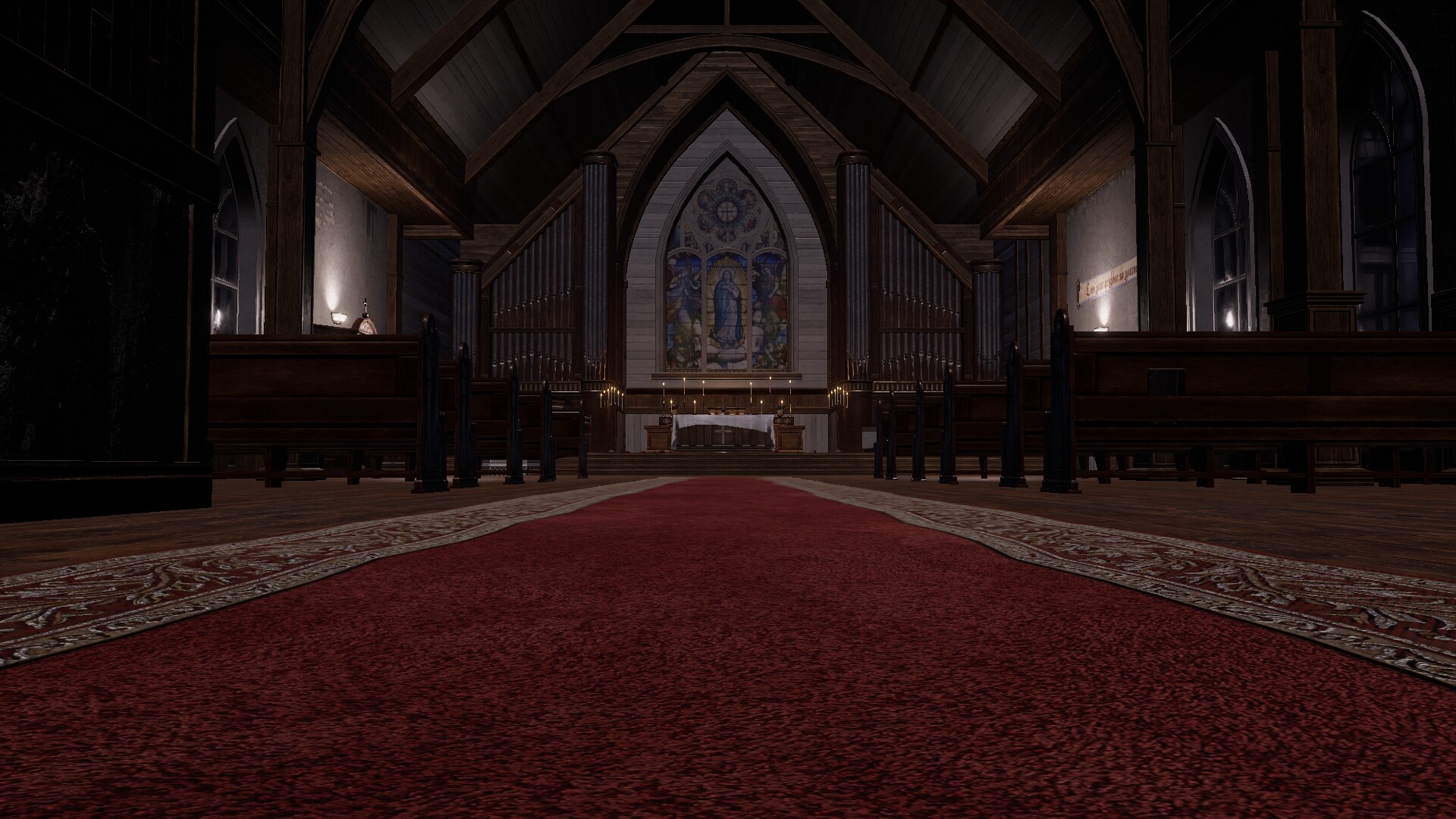

Player scenarios — which playstyles the game supports
- The methodical detective: You like to cross-reference documents, map out timelines, and treat each solved puzzle as confirming a theory. The game’s emphasis on manifests, encrypted fragments, and safes fits this pace.
- The environmental reader: You prefer learning lives from objects — what people kept, removed or hid. The mansion’s staged rooms and missing personal markers encourage this mode of play.
- The tactile puzzler: If you enjoy object logic and unlocking mechanical or electronic systems (rather than twitch reactions), the “Playable without Timed Input” category and described puzzle types are geared toward sustained problem solving.
How Trace of the Villa compares to nearby puzzle-adventure titles
Below is a compact editorial comparison focused on genre, atmosphere, puzzle focus, exploration style, and player fit.
| Title | Genre / Focus | Puzzle emphasis | Exploration / Tone | Player fit |
|---|---|---|---|---|
| Trace of the Villa | Action · Adventure · Indie (mansion mystery, evidence-driven) | Document-backed clues, safes, restored systems as evidence | Slow-burn, atmospheric, investigative | Players who like environmental storytelling and forensic puzzle reading |
| The Room | Adventure · Indie | Tactile mechanical puzzles, safe and lock-centric | Claustrophobic, single-room mystery with crafted puzzle boxes | Fans of intricately designed physical puzzles and tactile interaction |
| Escape Simulator | Adventure · Casual · Indie · Simulation | Highly interactive object manipulation, community-made rooms | Varied tone (from light to tense) with highly physical puzzle design | Players who like moving and combining items, co-op or solo interactive experiments |
| Unpacking | Casual · Indie · Simulation | Spatial, item-placement puzzles that reveal life stories | Zen, empathetic environmental storytelling | Players who enjoy quiet object-based narrative discovery rather than mystery tension |
YouTube discovery
If you want trailer or gameplay footage, search results can be found here (use as a discovery path
YouTube discovery
For trailer and gameplay discovery, use YouTube search rather than relying on unverified embeds: Find Trace of the Villa trailer and gameplay searches on YouTube.
Leave a Reply