
Trace of the Villa: why quiet dread and an empty mansion can scare you more than a jump scare
Trace of the Villa invites you to walk slow corridors and read the quiet traces of lives that have been scrubbed away — a psychological investigation wrapped in environmental storytelling. The game’s focus on power restoration, encrypted fragments, and rooms frozen mid-routine promises slow-burn tension where uncertainty, not spectacle, carries the weight of horror.

Quick facts
| Title | Trace of the Villa |
|---|---|
| Steam AppID | 3483660 |
| Release date | 28 May, 2026 |
| Developer / Publisher | Steadyturtle Co., Ltd. |
| Genres | Action, Adventure, Indie |
| Notable categories / accessibility | Single-player; Color Alternatives; Custom Volume Controls; Playable without Timed Input; Subtitle Options; Family Sharing |
| Premise (official) | Jin searches a remote, decaying mansion for clues about his missing sister, restoring power to reveal encrypted documents, locked compartments, and an unsettling pattern of arrivals and departures. |
Who should wishlist this
If you favor story-rich adventure and patient exploration over quick shocks, Trace of the Villa is aimed at you. It suits players who enjoy atmospheric mystery adventure and psychological investigation: those who prefer reading the house (its manifests, transfer records, and gaps in identity) as the primary engine of tension. The Steam categories — subtitles available, custom volume controls, and playable without timed input — also suggest accessibility-minded design for players who want to focus on observation and puzzle-solving rather than reflex-based encounters.
What the game is
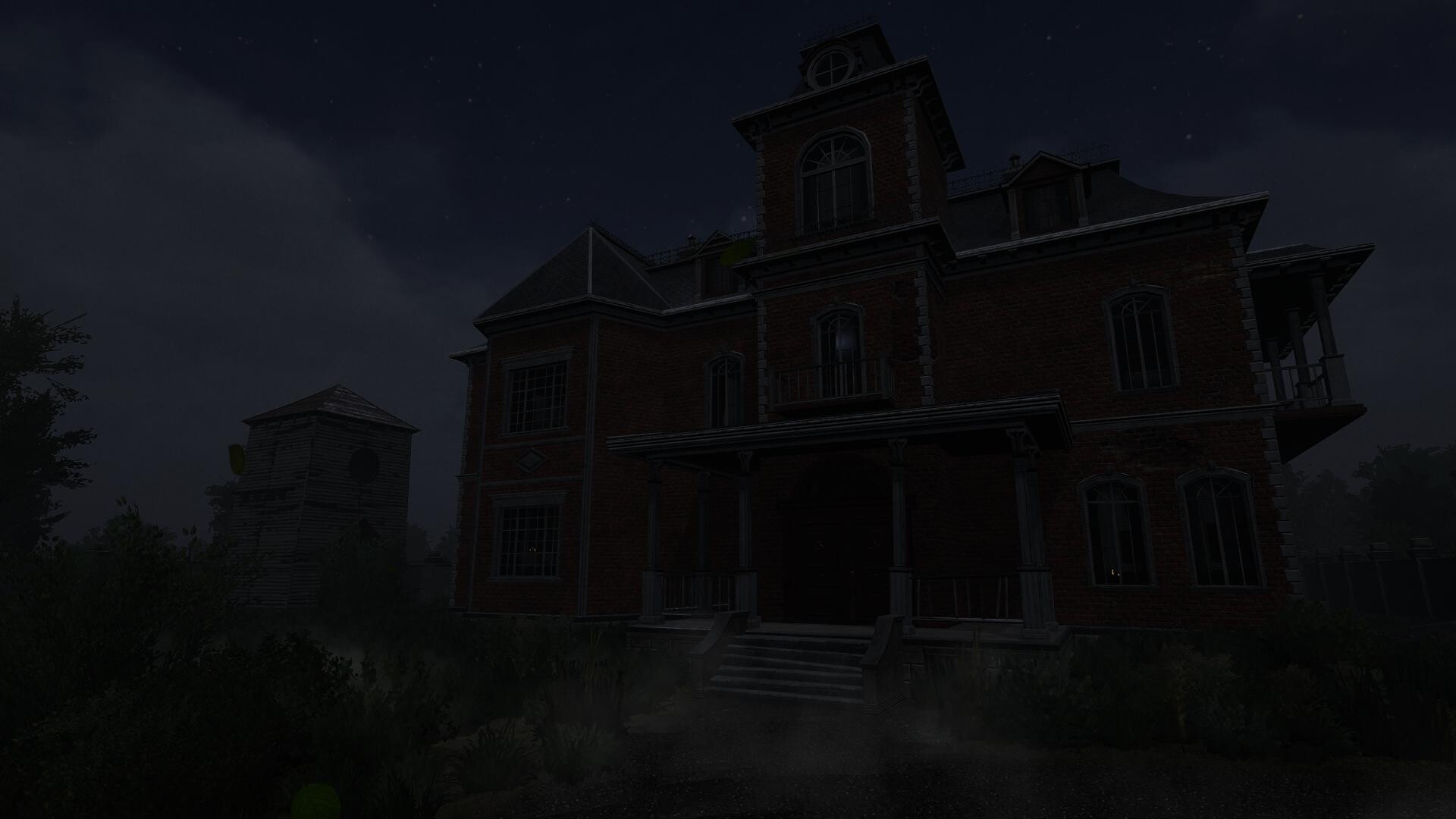
Officially: Jin has been searching for his missing sister for years. A lead brings him to a decaying mansion that feels “less abandoned than erased.” Rooms are furnished as if occupants vanished mid-routine; safes, encrypted documents, and secured systems hide layers of a concealed operation. Trace of the Villa frames its tension around that erasure — identity removed, records falsified, and a trail that may yet lead to the missing sister.

When and where
Trace of the Villa is available on Steam; the official release date is 28 May, 2026. The Steam page lists developer and publisher as Steadyturtle Co., Ltd., and places the game in Action / Adventure / Indie categories for PC discovery.
Why quiet tension and uncertainty matter more than shock claims
Psychological horror that leans on silence and missing context exploits a different part of fear than jump‑scare design. Instead of a spike in heart rate from an auditory cue, Trace of the Villa builds dread from cognitive unease: missing names where photos should be, bank transfers that lead nowhere, and the implication of enforced movement. That pattern — ambiguity, plausible realism, and slow revelations — keeps players filling in blanks long after they stop actively playing. In practical terms, this means the game asks you to infer motive and timeline from objects and documents, not from scripted monster encounters. The result is sustained tension: uncertain, uncomfortable, and memorably stubborn.
How you progress — read the house
The official description makes the gameplay loop clear in tone if not in mechanics: restore systems, unlock secured compartments, decode fragments, and follow manifests and transfer records to assemble a timeline. Puzzle-solving here is civic and forensic rather than purely mechanical — you work with evidence and environmental cues to reconstruct what the mansion’s operations hid. That places emphasis on attention, methodical searching, and patience: progression comes from connecting documented fragments to physical spaces, not just finding key items to open doors.
Player scenarios — who will get the most from Trace of the Villa
- The slow-burn detective: You enjoy games that reward careful note-taking and cross-referencing documents with locations. You prefer revelations that land as pattern recognition, not sudden jumps.
- The atmospheric explorer: Visual details and staged rooms are your language; you like figuring out a narrative from what a space refuses to show.
- The puzzle‑story hybrid fan: You want puzzles that dovetail with story beats — restoring power to reveal a document that reframes an earlier clue appeals to you.
- The accessibility-conscious player: With subtitle options and custom volume controls plus playable-without-timed-input support, this is approachable for players who need a steadier pacing window.
How it compares — editorial discovery, not endorsement
Below is a compact, lawful editorial comparison focused on tone, exploration, and puzzle focus so readers can match taste rather than ranking quality.
| Title | Release date | Atmosphere / Primary focus | Exploration & puzzle style |
|---|---|---|---|
| Trace of the Villa | 28 May, 2026 | Mansion mystery; erased identities and forensic tension | Clue-driven exploration, restoring systems and decrypting documents to reveal story |
| Amnesia: The Dark Descent | 8 Sep, 2010 | First-person survival horror; immersion and dread | Exploration-heavy, atmosphere-first puzzles and survival elements |
| SOMA | 21 Sep, 2015 | Sci‑fi horror; existential questions under a hostile environment | Exploration and narrative puzzles focused on context and philosophical revelations |
| Layers of Fear (2016) | 15 Feb, 2016 | Psychological horror in a shifting Victorian mansion; storytelling and atmosphere | Environmental puzzles with a strong emphasis on narrative and sensory disorientation |
| Poppy Playtime | 12 Oct, 2021 | Horror/puzzle adventure in an abandoned toy factory | Gear-driven puzzles and more overt creature-threat set pieces |
If you prioritize forensic, document-led investigation inside an uncanny domestic space, Trace of the Villa sits closer to Layers of Fear or Amnesia in tone, but with an explicit emphasis on manifests, encrypted documents, and the logistics of concealment rather than purely supernatural or combat-driven moments.
Where to learn more (YouTube discovery)
For trailers and gameplay clips, search for Trace of the Villa on YouTube: View Trace of the Villa on Steam
YouTube discovery
For trailer and gameplay discovery, use YouTube search rather than relying on unverified embeds: Find Trace of the Villa trailer and gameplay searches on YouTube.
Leave a Reply