
Trace of the Villa — when puzzles feed the plot without spoiling it
Trace of the Villa is an atmospheric mystery adventure about Jin’s search for his missing sister inside a remote, decaying mansion; its puzzles act as forensic instruments, revealing evidence and timelines rather than bluntly announcing outcomes. The game weaves environmental storytelling, locked systems, and document fragments into a detective loop that rewards careful readers and patient explorers.

Quick facts
| Title | Trace of the Villa |
|---|---|
| Steam AppID | 3483660 |
| Release date | 28 May, 2026 |
| Developer / Publisher | Steadyturtle Co., Ltd. |
| Genres | Action, Adventure, Indie |
| Categories / Accessibility | Single-player; Color Alternatives; Custom Volume Controls; Playable without Timed Input; Subtitle Options; Family Sharing |
| Official short description | Jin has spent years searching for his missing sister, pursuing leads that took him to a remote, decaying mansion where he recovered manifests and hints that indicate his sister may still be alive, somewhere at the end of the trail he is about to follow. |
Who this is for
If you favor slow-burn suspense, environmental storytelling, and puzzle work that reads like evidence-gathering, Trace of the Villa is targeted at that crowd. Players who enjoy methodical exploration—scavenging manifests, decrypting fragments, and restoring systems to reveal clues—will find its approach rewarding. The presence of subtitle options, color alternatives, and the absence of forced timed input also makes it a fit for players who prefer a measured, contemplative pace over twitch reflex gameplay.
What the game is (without spoiling plot beats)
Trace of the Villa places you in a decaying mansion cut off from the grid. According to the official description, Jin finds rooms that appear “erased” of identity, with personal effects left in an unsettling state and a lack of records pointing to recent occupancy. Mechanically, puzzles are tied to the mansion’s systems: when Jin restores power, secured systems come back online, hidden compartments unlock, and safes yield fragments of encrypted documents and suspicious transfer records. Those puzzle rewards are the story’s evidence—manifests, hints, and financial trails—that sketch out what the house was used for and why identities were removed, all while leaving the larger outcomes for players to discover themselves.
When and where you can play it
Trace of the Villa was released on Steam on 28 May, 2026. It’s presented as a PC Steam title developed and published by Steadyturtle Co., Ltd., and appears in Steam’s Action / Adventure / Indie categories. Use the Steam store page to wishlist, view trailers, and check technical specs.
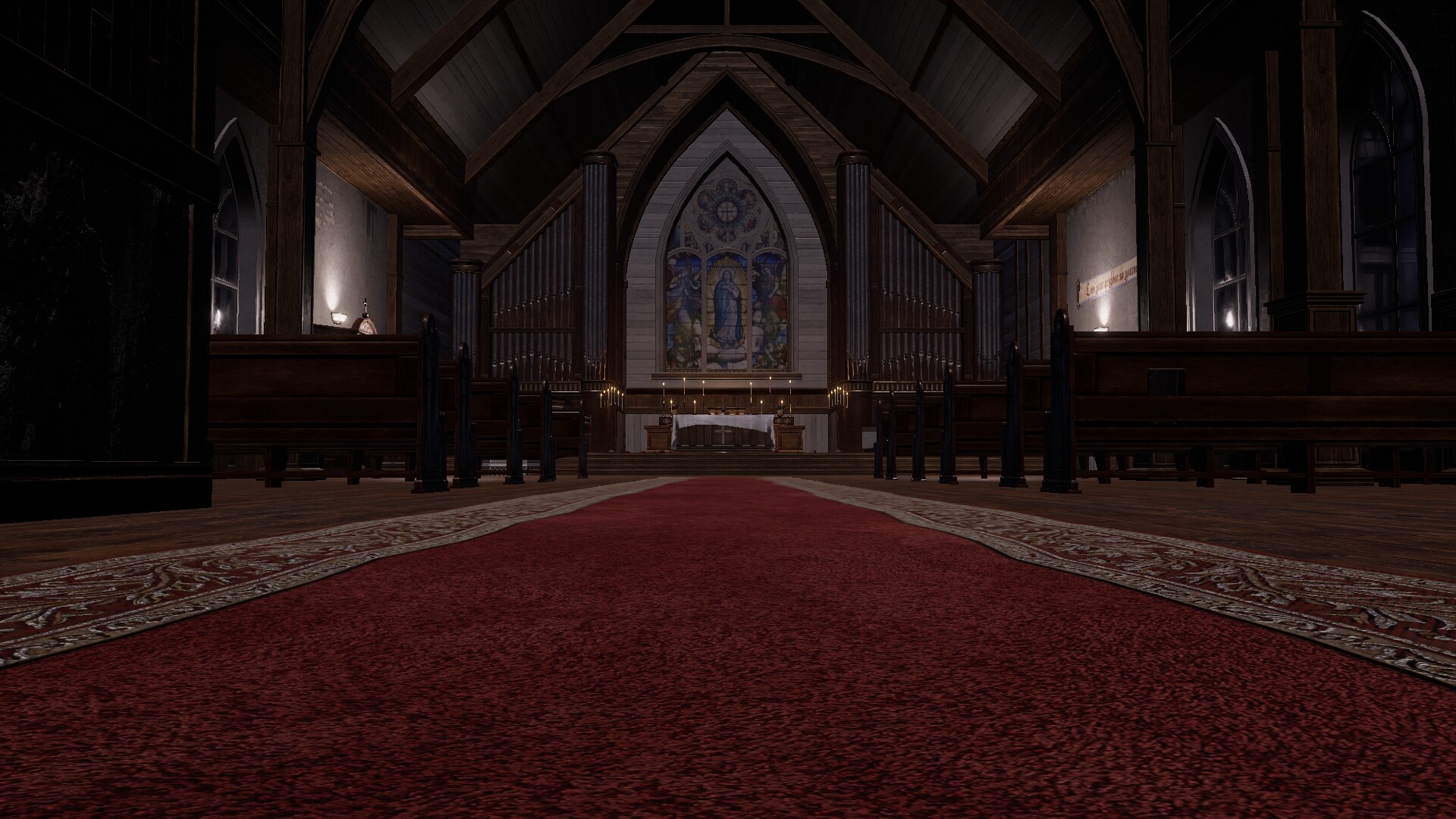
Why the theme matters: evidence as gameplay
Too many narrative games either spoon-feed plot or hide it behind walls of exposition. Trace of the Villa appears to opt for a third path: it turns the act of puzzle solving into forensic work. Restoring power or opening a safe doesn’t just unlock a corridor—it yields a document or transaction that shifts your understanding of the mansion’s purpose. This design choice means the player isn’t a passive recipient of a reveal; they assemble the case themselves, piece by piece. That pacing supports a psychological investigation tone—quiet, clinical, and cumulative—where context grows with each solved lock and decrypted file rather than being dumped in a single climactic info-dump.
How clues, object logic, and story puzzles shape progression
From the official description we know the game uses several concrete systems to feed narrative information:
- Environmental artifacts: rooms staged as if abandoned mid-routine suggest vanished occupants but lack conventional identifiers like photographs or names.
- Restored systems: bringing electricity back online triggers secured systems to reveal hidden compartments and unlock new puzzle paths.
- Document fragments and safes: decrypted fragments and suspicious transfer records act as puzzle rewards—small, verifiable pieces of evidence that gradually build a timeline.
Those elements together produce a reading rhythm: observe → solve an object-based puzzle → obtain a document or log → reinterpret the environment and next objectives. The game’s puzzles appear to be investigative tools, not just gates. That makes each solved puzzle both a mechanical progression and a narratological clue, limiting spoilers while letting observant players reconstruct events themselves.
Player scenarios — who should wishlist this
- Play this if you like atmospheric mansion mysteries where documents and environmental detail do most of the storytelling, and you prefer puzzles that feel like evidence work rather than abstract minigames.
- Wishlist if you value accessibility options and a non-twitch pace: Trace of the Villa lists Playable without Timed Input, Subtitle Options, and Color Alternatives.
- Avoid if you want fast narrative closure or spectacle-driven action: the game’s design leans toward slow accumulation of clues and investigative patience.
- Good fit for players who enjoyed piecing together timelines from small artifacts rather than being told everything by characters or voiceover.
Comparisons — editorial discovery, not endorsement
For a sense of where Trace of the Villa sits among puzzle-adventure peers, the table below compares high-level, lawful editorial criteria: core puzzle style, how story is delivered, atmosphere, and what type of player each fits.
| Title | Puzzle style | Story delivery | Atmosphere / tone | Player fit |
|---|---|---|---|---|
| Trace of the Villa | Environmental/object puzzles tied to systems, documents, safes | Clue fragments, restored systems, manifests (evidence-driven) | Slow-burn, decaying mansion, investigative | Players who like forensic exploration and patient puzzle-reading |
| The Room / The Room Two | Tactile puzzle boxes and mechanical puzzles | Implied mystery through puzzles and isolated notes | Claustrophobic, tactile curiosity | Those who enjoy focused, self-contained puzzle objects and tactile interaction |
| Unpacking | Item-placement, non-traditional puzzle (narrative via objects) | Domestic life revealed through possessions | Calm, reflective, intimate | Players who prefer slice-of-life storytelling via objects and atmosphere |
| Escape Simulator | Highly interactive escape-room puzzles (physics/interaction) | Room-based puzzles with emergent discovery | Playful, kinetic, puzzle-hands-on | Those who want interactive object manipulation and cooperative/competitive play options |
| hack_me | Hacker-simulator mechanics (command/logic systems) | Simulation-first; narrative secondary | Technical, simulation-focused | Players who enjoy simulated hacking mechanics and system puzzles, not atmospheric mystery |
Screenshots that underscore the tone

YouTube discovery
If you want to see the game in motion, search for trailers and gameplay using this You
Steam page
View Trace of the Villa on Steam
YouTube discovery
For trailer and gameplay discovery, use YouTube search rather than relying on unverified embeds: Find Trace of the Villa trailer and gameplay searches on YouTube.
Leave a Reply