Trace of the Villa — how clue reading, object logic, and story puzzles reveal evidence without spoiling the mystery
Trace of the Villa drops you into a decaying, off-the-grid mansion where Jin uncovers manifests and hints that his missing sister may still be alive. The game uses environmental puzzles and piece-by-piece evidence to coax a story out of rooms, safes, and restored systems rather than telling it outright.

What the game is
Trace of the Villa is an action-adventure indie from Steadyturtle Co., Ltd. that frames a slow-burn mansion mystery as a series of investigative beats. Per the Steam listing, protagonist Jin has spent years searching for his missing sister; a lead brings him to a remote, deliberately forgotten property where he recovers manifests, encrypted fragments, and transfer records that suggest something larger was hidden there. Restoring power and unlocking secured systems is a key part of how the house begins to return its secrets.
Who it’s for
If you gravitate toward atmospheric mystery adventure and psychological investigation — players who enjoy environmental storytelling, methodical clue reading, and puzzle-driven pacing — Trace of the Villa is pitched at that audience. It’s aimed at single-player PC players who prefer exploration and narrative puzzle design over fast reflex challenges (the Steam categories list it as Single-player and note options like Playable without Timed Input and Subtitle Options).
When and where
Trace of the Villa released on 28 May, 2026 on Steam. It’s developed and published by Steadyturtle Co., Ltd., and appears on Steam categorized under Action, Adventure, and Indie with accessibility-focused categories such as Color Alternatives and Custom Volume Controls.
Why the theme matters
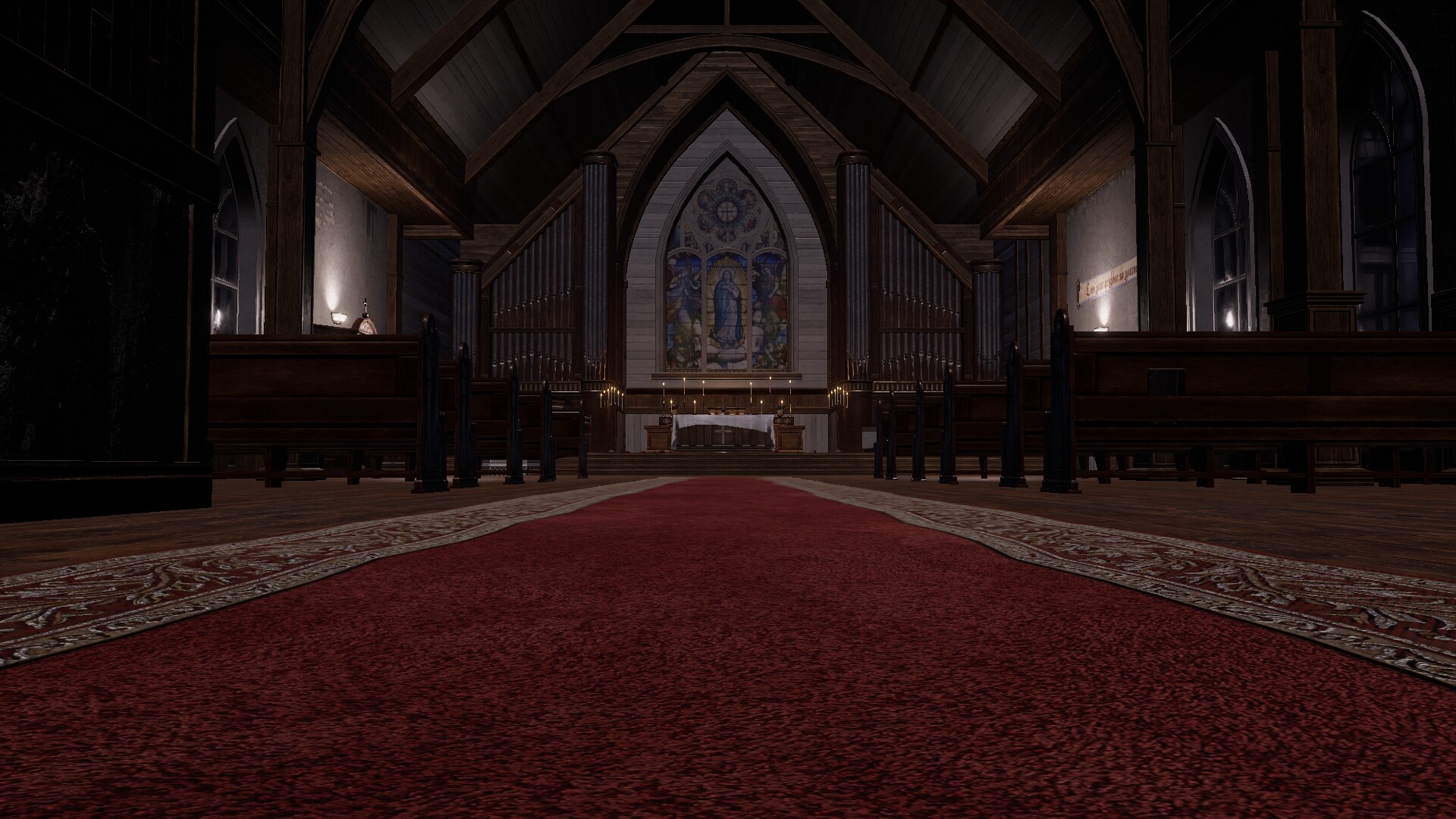
The Steam description emphasizes a house that feels “less abandoned than erased”: furnished rooms with absent names or photographs, locked doors, and systems that only yield information when brought back online. That framing matters because it steers the puzzle design toward evidence-building — financial trails, falsified identities, and encrypted documents are revealed incrementally, which sustains suspense while letting players connect dots themselves.
How clue reading, object logic, and story puzzles shape the experience
Trace of the Villa uses three interlocking puzzle strategies to reveal story evidence without spoiling outcomes:
- Clue reading: Manifests, transfer records, and fragments of encrypted documents are presented as discoverable items. Players parse text and context to form hypotheses about who passed through the estate and why.
- Object logic: Restoring power, opening safes and hidden compartments, and interacting with preserved belongings are mechanical gates to further information. The house’s systems act as puzzle layers: solve one to unlock the next piece of evidence.
- Story puzzles: Rather than dumping exposition, the game scatters corroborating artifacts across rooms so that narrative threads emerge through deduction. Puzzles are cues for inference — they show, rather than tell, and encourage careful reading of environmental details.
All three reduce the need for explicit narrative beats: solving a safe doesn’t reveal a finale, but it can provide a ledger entry or a manifest that nudges the player’s understanding forward. That design keeps major plot points intact while allowing motivated players to assemble a coherent picture from found evidence.

Player scenarios — who should wishlist this on Steam
- Evidence-focused sleuths: You enjoy reading manifests and cross-referencing small details. The game’s emphasis on documents and records rewards careful note-taking and inference.
- Slow-burn mystery fans: If you prefer atmospheric pacing and narrative pieces that click together gradually rather than instant answers, this fits your tempo.
- Explorers who like mechanical gates: Players who enjoy unlocking systems (power, safes, hidden compartments) to reveal the next clue will find the design satisfying.
- Accessibility-minded players: The Steam categories list features like Playable without Timed Input, Subtitle Options, and Color Alternatives, which can matter for a wider range of playstyles.
Quick facts
| Title | Trace of the Villa |
|---|---|
| Release date | 28 May, 2026 |
| Developer / Publisher | Steadyturtle Co., Ltd. |
| Genres | Action, Adventure, Indie |
| Key Steam categories | Single-player; Color Alternatives; Custom Volume Controls; Playable without Timed Input; Subtitle Options; Family Sharing |
How it compares to nearby mystery and puzzle titles
Below is a compact editorial comparison using lawful criteria: genre, atmosphere, puzzle focus, exploration style, and player fit.
| Title | Genre | Puzzle & story focus | Atmosphere / pacing | Player fit |
|---|---|---|---|---|
| Trace of the Villa | Action / Adventure / Indie | Document-led clues, system restoration, safes and hidden compartments that reveal evidence | Slow-burn mansion mystery with methodical reveals | Evidence-minded explorers and atmospheric mystery fans |
| The Room | Adventure / Indie | Mechanical puzzle boxes and tactile object puzzles; focused, isolated puzzle encounters | Intimate, tactile, puzzle-driven tension | Players who love handcrafted mechanical puzzles and single-chamber mysteries |
| The Room Two | Adventure / Indie | Expands The Room’s mechanical puzzles into larger, multi-stage set-pieces | More varied locales but the same deliberate puzzle pacing | Puzzle purists who enjoy progressive mechanical challenge |
| Escape Simulator | Adventure / Casual / Indie / Simulation | Highly interactive escape-room style puzzles; physics and object manipulation | Fast to moderate pacing with a focus on interaction and puzzle chaining | Players who like tactile interaction, community levels, and cooperative solving |
| Unpacking | Casual / Indie / Simulation | Domestic object-based puzzles that reveal a life story through placement choices | Zen, reflective pacing focused on everyday detail | Players who prefer narrative inference via small domestic objects rather than overt mystery |
YouTube discovery
For trailers and gameplay clips, search results can be found here: Trace of the Villa — YouTube search results. (Use the link as a discovery path; specific
Leave a Reply