
Trace of the Villa: how clue reading, object logic, and story puzzles reveal evidence without spoiling the mystery
Steadyturtle Co., Ltd.’s Trace of the Villa (released 28 May, 2026) positions players as Jin, a lone investigator following faint manifests and encrypted traces through a remote, decaying mansion. Its puzzle systems are built not to hand you answers but to return fragments of a larger case—documents, safes, and restored systems that point toward a concealed operation and the possibility Jin’s missing sister may still be alive.

Who, what, when, where, why, and how
Who it’s for
If you enjoy atmospheric mystery adventure and slow-burn suspense on PC—players who favor environmental storytelling, careful clue-reading, and puzzles that act as investigative tools rather than abstract obstacles—Trace of the Villa is aimed at you. It sits in the overlap between narrative puzzle design and psychological investigation.
What the game is
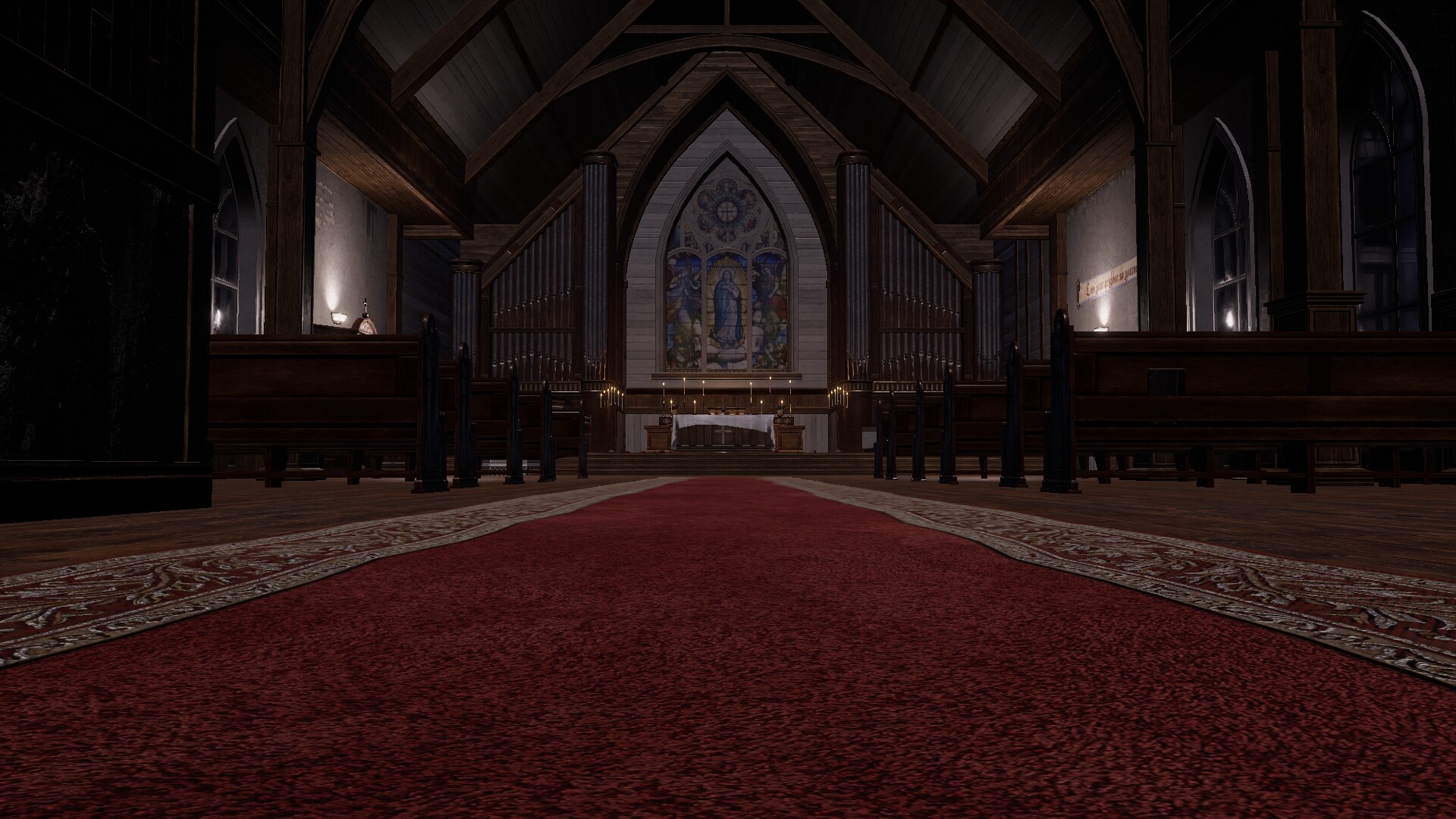
Trace of the Villa is an action-adventure indie from Steadyturtle Co., Ltd. The official premise centers on Jin, who discovers a cut-off, deliberately forgotten mansion where signs of past occupancy are “unmistakable…and deeply unsettling.” Restoring power and unlocking secured systems yields fragments: encrypted documents, suspicious transfer records, and manifests that form the game’s evidentiary trail.
When and where
Trace of the Villa released on 28 May, 2026 and is available on Steam for PC. The Steam store lists the developer and publisher as Steadyturtle Co., Ltd., and includes categories such as Single-player, Color Alternatives, Custom Volume Controls, Playable without Timed Input, Subtitle Options, and Family Sharing.
Why this theme matters
The mansion-as-evidence approach makes setting and object work the narrative engine. Rather than a single shocking reveal, the game layers financial trails, falsified identities, and arrivals/departures that feel deliberately scrubbed. For players who prize piecing together a timeline from partial data, that tonal choice turns each solved puzzle into a small, reliable piece of story evidence.
How you read clues and progress
Puzzles in Trace of the Villa serve the investigation: restoring power reactivates systems, safes and hidden compartments yield fragments, and manifests provide leads. The logic is object-first—identify useful items or systems, then apply deduction and puzzle mechanics to extract readable evidence. Importantly, the game’s puzzle design appears crafted to reveal corroborating facts incrementally rather than dumping full explanations, which preserves suspense while rewarding attention to detail.
How puzzle mechanics reveal story evidence without spoiling plot
Good story-puzzle design balances revelation and restraint. Trace of the Villa’s documented features—locked doors, safes, secured systems, encrypted documents, and manifests—are the sorts of mechanics that let players draw conclusions from tangible clues (dates, transfer records, fragments of text) instead of forcing a single interpretation. That means solving a safe returns a name or a file fragment; reading a manifest tells you an arrival happened on a given date; reinstating power makes a previously silent device speak useful but incomplete information. Those small confirmations let players corroborate hypotheses without collapsing mystery into a single spoiled answer.
From an editorial perspective, this is the kind of puzzle architecture that keeps players invested: you are repeatedly rewarded with evidence that nudges the narrative forward while preserving unanswered questions for later investigation.

Compact facts — Trace of the Villa
| Title | Trace of the Villa |
|---|---|
| Release date | 28 May, 2026 |
| Developer | Steadyturtle Co., Ltd. |
| Publisher | Steadyturtle Co., Ltd. |
| Genres | Action, Adventure, Indie |
| Key categories | Single-player; Color Alternatives; Custom Volume Controls; Playable without Timed Input; Subtitle Options; Family Sharing |
Who should wishlist this on Steam?
- Players who enjoy narrative puzzle design where documents and object logic build a case over time.
- Fans of atmospheric mystery adventures and slow-burn psychological investigation focused on environment and implication rather than jump scares.
- Those who prefer puzzles that serve as evidence—safes, encrypted files, restored systems—rather than purely mechanical brainteasers.
- PC players who want accessibility options like subtitle choices and non-timed inputs.
Specific player scenarios
Scenario A — The Methodical Detective
You catalogue every scrap and make timelines from manifests and transfer records. Trace of the Villa’s object-first puzzles give you the tactile evidence you want: names, dates, and partial documents you can stitch into a theory. If you take satisfaction from corroborating small facts, this is a fit.
Scenario B — The Atmosphere-Seeker
You play for mood and implication. Rooms that feel “erased” and an estate that was “deliberately forgotten” provide ambience; puzzles unlock more of that tone. This game rewards players who linger, read, and let the setting do the storytelling.
Scenario C — The Accessibility-Minded Player
Sound and interface options in the Steam listing—custom volume controls, subtitle options, and no timed input—reduce friction for players who want to focus on reading and solving at their own pace.
How Trace of the Villa compares — a compact editorial table
| Title | Core puzzle focus | Atmosphere / story tone | Exploration style | Pacing / player fit |
|---|---|---|---|---|
| Trace of the Villa | Object logic, safes, encrypted documents, restored systems (evidence-driven) | Decaying mansion, erased identities, slow-burn suspense | Investigative, environment-as-evidence | Measured pace; for players who assemble a timeline from fragments |
| The Room / The Room Two | Mechanical puzzle boxes and tactile contraptions | Claustrophobic, tactile mystery | Focused, single-room/series of rooms puzzles | Puzzle-centric; players who enjoy hands-on apparatus and enigmatic artifacts |
| Escape Simulator | Highly interactive escape-room puzzles (object interaction, physics) | Varied tone depending on room; playful to tense | Room-by-room, sandbox interactivity; co-op support | Fast problem-solving; good for players who like physics and manipulation |
| Unpacking | Domestic placement and inference from possessions (environmental clues) | Quiet, everyday storytelling through objects | Calm, vignette-driven scenes | Slow, reflective; for players who prefer implicit story from items |
Editorial note: these comparisons are framed by genre, atmosphere, and puzzle focus rather than claims of superiority. They’re intended to help you match player preference to design style.
Trailer and gameplay video discovery
Search for trailers and gameplay videos on YouTube: Trace of the Villa trailer & gameplay on YouTube. Use the search path to find developer videos or player footage; this link is provided as a discovery route rather than proof of an official trailer.
Steam
Disclaimer
Referenced titles and trademarks belong to
Leave a Reply