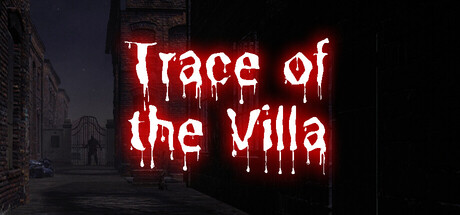
Trace of the Villa: why quiet tension and identity erasure matter more than cheap shocks
Trace of the Villa (Steadyturtle Co., Ltd.) opens on a simple promise: a man named Jin follows a lead to a decaying, off‑the‑grid mansion that may hold clues to his missing sister. On Steam (released 28 May, 2026), the game trades on an atmosphere of erasure—rooms that look lived in but lack names, photographs, or recent records—and builds tension through omission rather than constant jolts.

Quick facts
| Title | Trace of the Villa |
|---|---|
| Release date | 28 May, 2026 |
| Developer / Publisher | Steadyturtle Co., Ltd. |
| Genres | Action, Adventure, Indie |
| Categories (selected) | Single‑player; Color Alternatives; Playable without Timed Input; Subtitle Options |
| Steam appid | 3483660 |
Who it’s for
Trace of the Villa is aimed at players who prefer slow‑burn psychological investigation over twitch reflex horror. If you enjoy atmospheric mystery adventure, clue‑driven exploration, and environmental storytelling that asks you to piece together motives from objects and documents, this is a likely fit. The inclusion of “Playable without Timed Input” and subtitle options also signals that the experience leans toward reading, solving, and immersion rather than reflex challenges.
What the game is (and what it avoids)
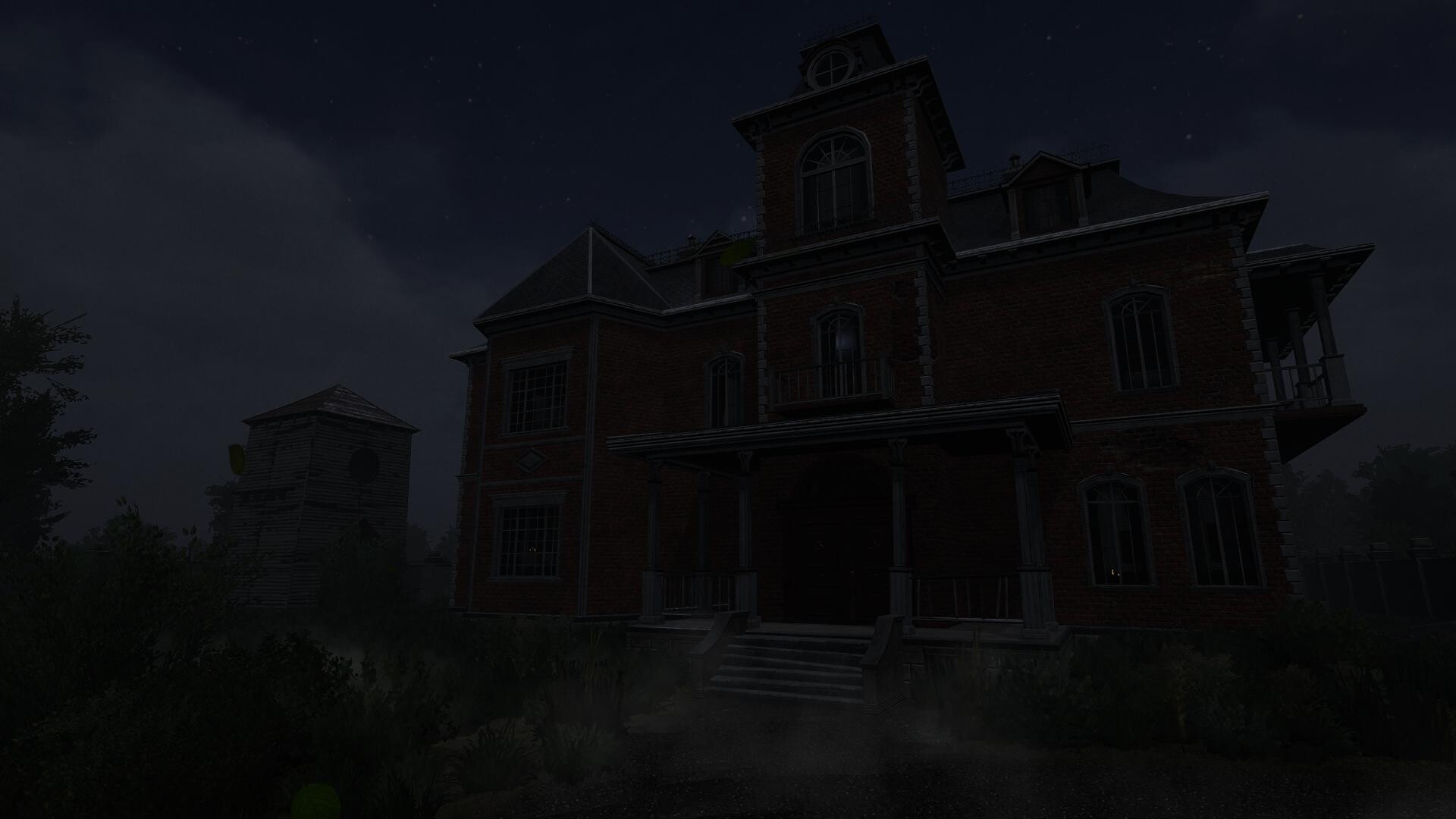
The official short description lays the premise plainly: “Jin has spent years searching for his missing sister, pursuing leads that took him to a remote, decaying mansion where he recovered manifests and hints that indicate his sister may still be alive, somewhere at the end of the trail he is about to follow.” The longer official description emphasizes a house that “feels less abandoned than erased”—furnished rooms with personal items but “no photographs, no names, no history — as if identities themselves were removed.”
Mechanically and tonally, the game positions itself as a psychological mystery: restoring power, unlocking secured systems, and unraveling encrypted fragments uncover a pattern of falsified identities and arrivals without records. That setup favors creeping dread and unanswered questions rather than continuous jump scares.

When and where
Trace of the Villa is available on Steam with a release date of 28 May, 2026. The Steam store page lists developer and publisher as Steadyturtle Co., Ltd., and the game’s store presence includes standard accessibility categories (subtitles, color alternatives) and single‑player tagging appropriate to an investigative, narrative‑driven PC experience.
Why quiet tension and uncertainty matter
Psychological horror that leans on unresolved absence—erased histories, deliberately blanked identities—creates a different contract with the player than jump‑scare‑heavy titles. When a game removes names, photographs, and purchase records from a space, it forces the player to manufacture narrative through inference: why was that photograph missing? Who would remove names from a ledger? That cognitive labor is where dread lives. It’s slower, but also stickier—the uncertainty haunts you between play sessions.
Trace of the Villa’s focus on restoring systems and decrypting documents reinforces this approach. Revelation arrives as accumulation: a locked safe opens to another fragment, which reframes previous clues. The result is tension that hinges on what you still don’t know rather than what surprises you next.
How progression and clue reading work
- Investigation is environmental: rooms are staged as if abandoned mid‑routine, so visual and interactable objects serve as primary clues.
- Restoration mechanics matter: bringing power back and reactivating systems is explicitly called out in the official description as a way the mansion begins to “reveal what it was hiding.”
- Puzzle and document fragments are central: safes, encrypted documents, and transfer records are mentioned as path elements that gradually expose a pattern of falsified identities and controlled arrivals.
- Accessibility and pacing options: categories like “Playable without Timed Input” and “Subtitle Options” indicate the game supports a player‑paced, thoughtful approach rather than forced speed or reflex checks.
How this fits your library — comparison to nearby mystery/puzzle titles
Below is a compact editorial comparison using lawful criteria: atmosphere/tone, puzzle and exploration focus, pacing, and the player fit each game tends to attract.
| Title | Atmosphere & Tone | Puzzle / Exploration | Pacing | Player fit |
|---|---|---|---|---|
| Trace of the Villa (2026) | Decaying mansion, erased identities, slow dread | Clue-driven: documents, locked systems, environmental puzzles | Slow-burn; discovery through restoration and decryption | Players who prefer investigative ambience and narrative puzzle design |
| Amnesia: The Dark Descent (2010) | Claustrophobic, immersion-based nightmare | Exploration with survival/hiding mechanics and light puzzles | Atmospheric with spikes of panic | Players who want intense immersion and existential dread |
| SOMA (2015) | Sci‑fi, existential unease under the ocean | Exploration and narrative puzzles; questions of identity and consciousness | Measured, narrative-heavy; moments of threat | Players interested in philosophical horror and story-driven investigation |
| Layers of Fear (2016) | Painter’s madness, surreal mansion shifts | Environmental puzzles tied to story beats and changing spaces | Variable; chapters escalate surreal tension | Players who enjoy unreliable environments and psychological storytelling |
| Poppy Playtime (2021) | Abandoned toy factory with horror setpieces | Puzzle-platform elements with scripted encounters | Faster tempo, scripted scares | Players who prefer puzzle encounters mixed with jump-scare moments |
Player scenarios — who should wishlist (and who might wait)
- Wishlist if: you like methodical investigation and environmental storytelling where the game trusts players to infer motive from objects and documents.
- Wishlist if: you prefer pacing that lets tension accumulate and shows rather than tells; the store listing’s categories imply accessibility for slower play styles.
- Maybe wait if: you favor continuous action, frequent combat, or games that deliver constant shocks—Trace of the Villa appears structured around mystery and gradual reveals, not non‑stop adrenaline.
- Consider if you enjoy narrative puzzles similar to Layers of Fear or SOMA in tone, but set in a property marked more by bureaucratic erasure and falsified identities than outright surrealism.
YouTube discovery
For trailers and gameplay clips, search results can be found here: Trace of the Villa trailer & gameplay search on YouTube. This link leads to community and publisher material as available; consult the Steam page for the official store trailer.
Want to see it on Steam?
View Trace of the Villa on Steam
Disclaimer: referenced titles and trademarks belong to their respective owners. Comparisons are editorial discovery only and do not imply endorsement or sponsorship.
Leave a Reply