
Trace of the Villa: Why slow, quiet tension beats cheap shocks in mansion mysteries
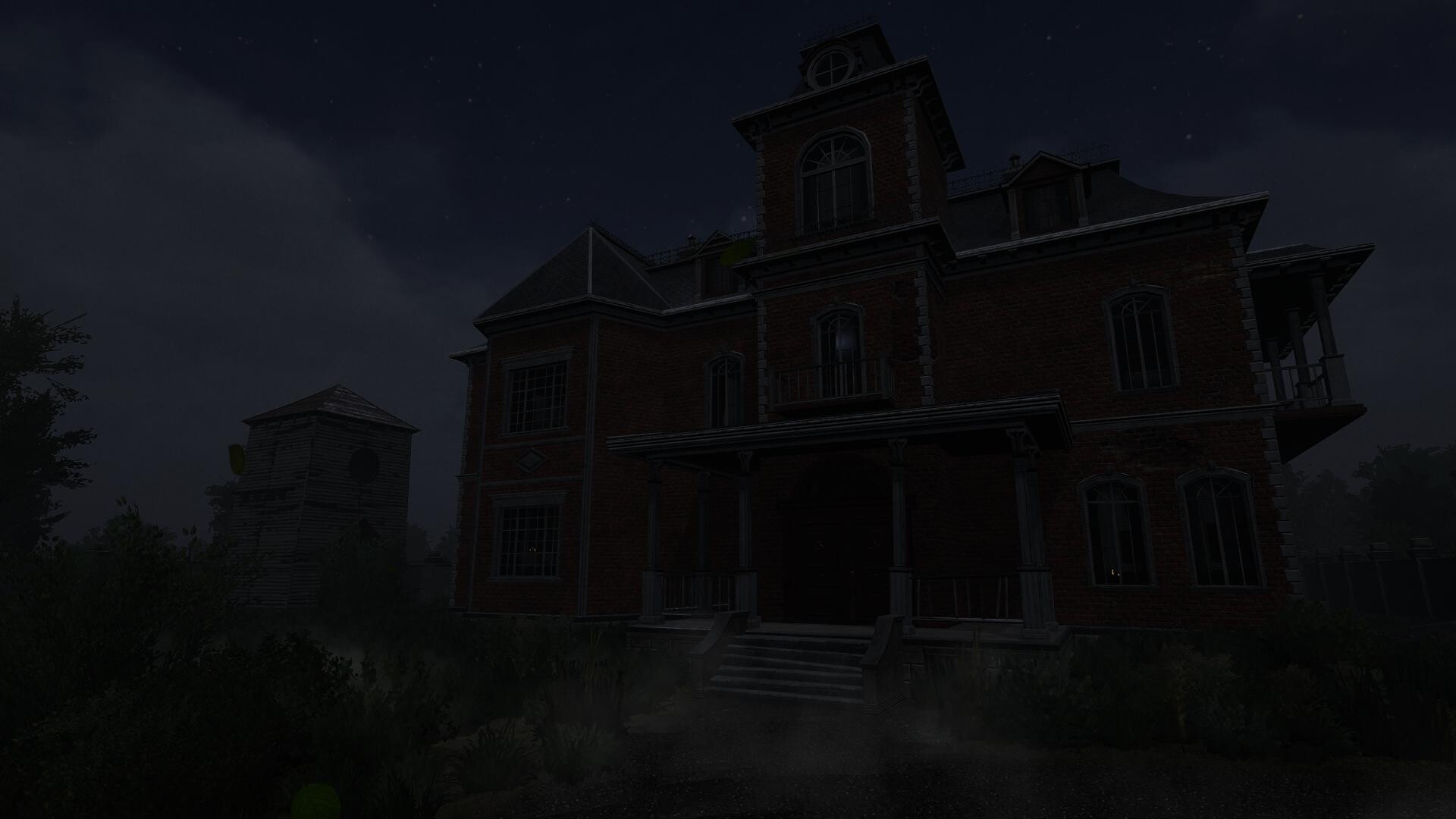
Trace of the Villa leans on erasure and the uneasy aftermath of lives interrupted: Jin arrives at a decaying, deliberately forgotten mansion and uncovers manifests, safes and encrypted fragments that suggest people were moved through this place under strict control. The game’s quiet, clue-driven suspense — rooms staged as if their occupants vanished mid‑routine, absent names and photographs, locked doors and restored power revealing secrets — is a study in how uncertainty and identity loss produce a deeper dread than jump scares ever can.

Quick facts
| Title | Trace of the Villa |
|---|---|
| Steam AppID | 3483660 |
| Release date | 28 May, 2026 |
| Developer / Publisher | Steadyturtle Co., Ltd. |
| Genres | Action · Adventure · Indie |
| Categories / Accessibility | Single-player; Color Alternatives; Custom Volume Controls; Playable without Timed Input; Subtitle Options; Family Sharing |
| Premise (official) | Jin searches for his missing sister after leads point to a remote, decaying mansion where manifests and hints indicate she may still be alive. |
Who should wishlist this on Steam?
If you prefer slow-burn psychological investigation over twitch horror, Trace of the Villa is aimed at players who like environmental storytelling, methodical clue collection and puzzle-driven exploration. The game’s categories list “Playable without Timed Input” and accessibility options such as color alternatives and subtitle settings — an invitation to players who want to examine each room and document at their own pace rather than being rushed by timed sequences.
What the game is — tone, themes, and central mystery
Official store text frames Trace of the Villa as a narrative puzzle experience: Jin finds a property “cut off from the grid and deliberately forgotten,” where the house feels “less abandoned than erased.” Expect staged rooms with personal effects but no recorded identities — a recurring theme of identity erasure — and a quiet pressure that comes from reconstructing what the mansion was used for. Restoring power is literal and narrative: secured systems come back online, and hidden compartments, safes and documents begin to reveal a pattern of falsified identities and movements masked behind false records.
When and where
Trace of the Villa released on Steam on 28 May, 2026. The Steam page lists it as an Action / Adventure / Indie title for PC under appid 3483660 and shows a single-player experience with several accessibility categories useful to slow investigative play.
Why unexplained spaces and identity erasure matter here
Psychological horror that leans on absence — missing photographs, nameless belongings, emptied records — uses your imagination as the engine of fear. Trace of the Villa weaponizes ordinary domestic details: a half-set table, a locked door, a ledger with redacted entries. These things don’t scream at you; they insist you interpret them. That kind of uncertainty forces a different kind of engagement: you feel the weight of an erased life because the environment constantly hints that someone is meant to have been here, then deliberately removed from the record. The despair of missing context is often more corrosive than a creature popping out of a closet.
How you play — reading clues and progressing
The Steam description describes returning power and unlocking secured systems, safes and hidden compartments that yield manifests and encrypted documents. That suggests a gameplay loop built around exploration, restoration and forensic reconstruction: search rooms, restore utilities or systems, crack safes or puzzles, then follow financial and movement traces to understand the mansion’s function. The emphasis is on correlative evidence rather than combat escalation — piecing together fragmented timelines and following leads toward what may have happened to Jin’s sister.

Player scenarios — who will enjoy this, and when to play
- The methodical investigator: You like piecing together timelines from objects and records. Play in long evening sessions with notes at hand; the game rewards careful reading of context and documents.
- The atmospheric story fan: You value tone, slow escalation and a sense of pervasive wrongness. Let the mansion’s details sink in — muted audio, restored power sequences and unlocked compartments are designed to reveal rather than shock.
- The accessibility-conscious player: The Steam categories include subtitle options, color alternatives and “Playable without Timed Input,” so if you need a non‑timed, readable experience, this matches that preference.
- The detective who wants closure: The protagonist’s search for a missing sister frames every discovery; players who prefer narrative payoff from investigation will find the setup compelling, but expect an emphasis on piecing together evidence rather than action-heavy resolutions.
How Trace of the Villa compares to nearby titles
Below is a compact editorial comparison focused on atmosphere, puzzle emphasis and player fit — not a claim of superiority, only a guide on how these games align with different tastes.
| Title | Core feel / atmosphere | Puzzle / investigation focus | Exploration style | Pacing / who it’s for |
|---|---|---|---|---|
| Trace of the Villa | Decaying mansion, erased identities, quiet dread (official Steam premise) | Clue-driven: manifests, safes, restored systems and encrypted documents | Room-by-room forensic exploration; restoring systems reveals new areas | Players who prefer methodical, atmospheric mystery over jump scares |
| Amnesia: The Dark Descent | Immersive, claustrophobic gothic horror | Survival and puzzle elements tied to immersion and fear | First-person, continuous movement through oppressive spaces | Players who want intense immersion with survival horror mechanics |
| SOMA | Sci-fi descent into existential dread beneath the ocean | Investigation that raises philosophical questions about identity | Environmental storytelling across facility spaces | Players who want narrative horror that questions existence as well as atmosphere |
| Layers of Fear (2016) | Shifting Victorian mansion, psychological decay and unreliability | Atmospheric puzzles tied to storytelling and shifting layouts | Psychological, sometimes non-linear exploration within a mansion | Players who favor surreal, story-driven atmosphere and changing environments |
| Poppy Playtime | Abandoned toy factory with creeping menace | Puzzle tools (e.g., GrabPack) used to navigate and interact | Factory spaces with tool-based traversal and puzzle solving | Players who enjoy puzzle-adventure with periodic tense encounters |
Where to learn more (YouTube discovery)
If you want trailers or gameplay footage, use this YouTube search path rather than assuming an uploaded official video: Search Trace of the Villa
Leave a Reply