
Trace of the Villa: why slow, quiet unease can matter more than jump scares
Trace of the Villa is a story-rich, slow-burn psychological mystery that trades cheap shocks for the lived dread of unexplained spaces and erased identities. Released on 28 May, 2026 by Steadyturtle Co., Ltd., it asks players to reconstruct a timeline from manifests, safes and systems brought back online in a decaying mansion where names and photographs have been deliberately removed.

Quick facts
| Title | Trace of the Villa |
|---|---|
| Steam appid | 3483660 |
| Release date | 28 May, 2026 |
| Developer | Steadyturtle Co., Ltd. |
| Publisher | Steadyturtle Co., Ltd. |
| Genres | Action, Adventure, Indie |
| Steam categories | Single-player, Color Alternatives, Custom Volume Controls, Playable without Timed Input, Subtitle Options, Family Sharing |
| Setting / premise | Jin investigates a remote, decaying mansion after finding manifests and hints that his missing sister may still be alive. |
Who, what, when, where, why, how
Who it is for
This is for players who prefer atmospheric mystery adventure and psychological investigation over visceral combat or constant tension spikes: people who welcome environmental storytelling, slow-burn suspense, and clue-driven exploration rather than a parade of jump scares.
What the game is
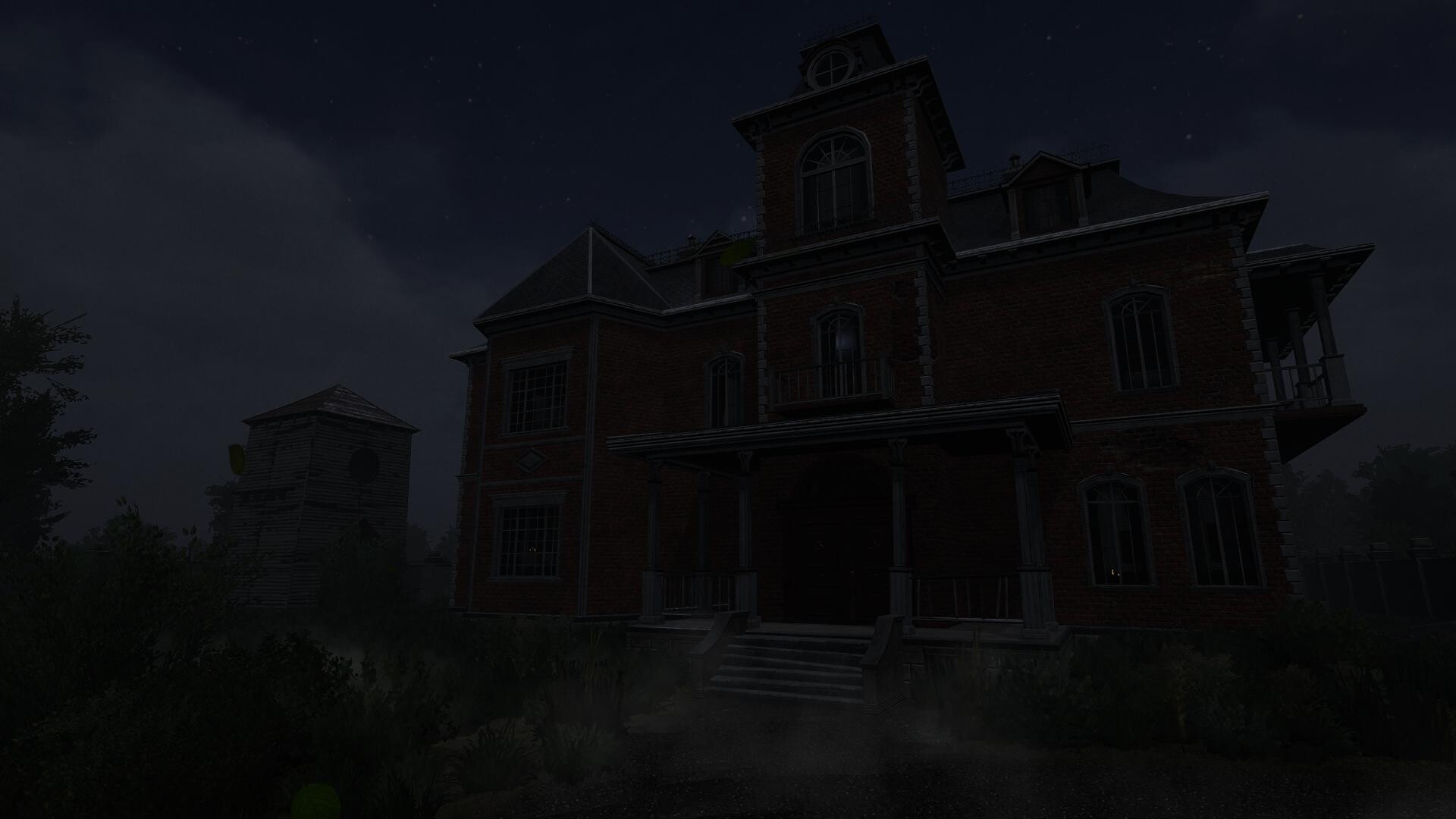
Trace of the Villa places you in the role of Jin, a protagonist pursuing leads about a missing sister inside a deliberately isolated mansion. The estate is presented as less abandoned and more erased — furnished rooms with no photographs or names, locked doors, encrypted documents and suspicious transfer records that suggest a wider, concealed operation.
When and where
Trace of the Villa launched on Steam on 28 May, 2026. The game page is hosted on Steam and the title is built and published by Steadyturtle Co., Ltd.
Why the theme matters
Unexplained spaces and identity erasure create a different kind of horror: a cognitive dread that arrives from missing context. When the environment refuses to answer basic questions — who lived here, why records are gone — the player fills the silence with possibility. That uncertainty often produces a deeper, longer-lasting tension than momentary shocks because it makes every object or recovered file feel significant.
How you progress
The official Steam description outlines a progression built on restoration and investigation. Jin restores power to the estate, systems come back online, hidden compartments and safes reveal fragments of encrypted documents and suspicious transfer records, and manifests point toward people who arrived without records. The core loop is reading clues, solving puzzles to unlock further evidence, and assembling a timeline from incomplete data.
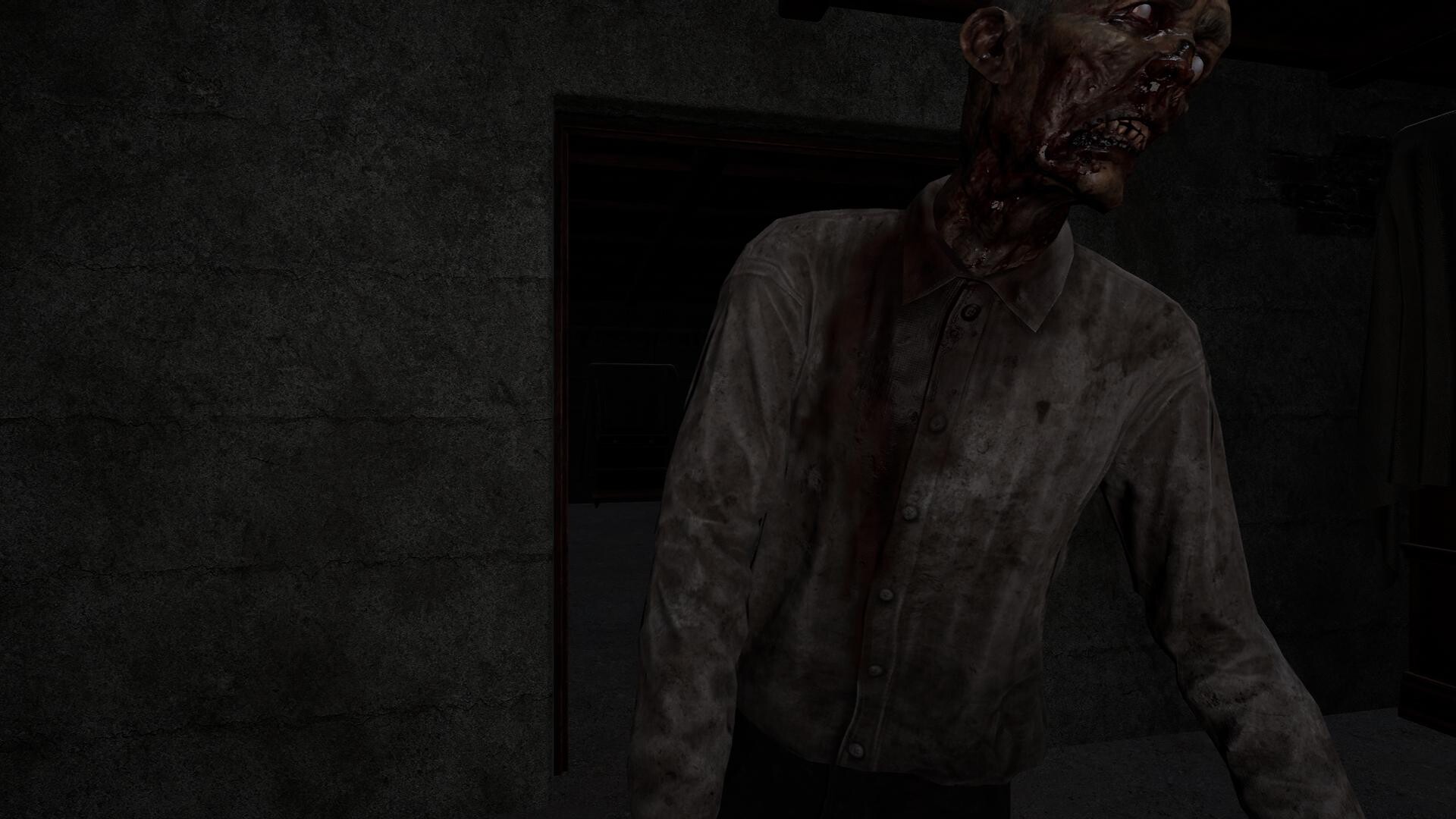
Official screenshots
Player scenarios — should you wishlist this?
- If you like forensic exploration: You’ll appreciate the manifest-driven lead structure and the way restored systems reveal new paths. The game rewards careful reading and networked thinking.
- If you prefer fast action and steady combat: This is likely not your primary pick; the emphasis is on atmosphere and narrative puzzle design rather than combat spectacle.
- If you enjoy slower, psychological horror: Trace of the Villa’s theme of erased identities and the suffocating silence of a forgotten estate should appeal to players who value mood and implication over overt scares.
- If you care about accessibility and control: The Steam page lists subtitle options, custom volume controls, and settings that allow play without timed input — useful details for players sensitive to pacing and comfort.
How it sits beside similar titles
Comparisons help set expectations: Trace of the Villa shares lineage with games that prize atmosphere and narrative ambiguity, but it approaches those elements through investigation of erased identities rather than purely surreal or cosmic horror.
| Title | Genre / Focus | Atmosphere | Puzzle vs. Exploration | Pacing & Tone |
|---|---|---|---|---|
| Trace of the Villa | Action, Adventure, Indie; clue-driven investigation | Muted, domestic decay and identity erasure | Exploration with document puzzles and restored systems | Slow-burn, investigative, tension built through omissions |
| Amnesia: The Dark Descent | Action, Adventure, Indie | Claustrophobic, Gothic immersion | Environmental puzzles and survival elements | Intense, immersion-first horror |
| SOMA | Action, Adventure, Indie | Underwater, existential dread | Exploration with narrative-driven puzzles | Philosophical, steadily unsettling |
| Layers of Fear (2016) | Adventure, Indie | Hallucinatory Victorian mansion | Exploration with shifting environments | Surreal, psychologically fragmented |
| Poppy Playtime | Action, Adventure, Indie | Abandoned industrial with toy-themed dread | Puzzle-adventure with gadget mechanics | Set-piece tension and chase moments |
Use this table to match the tone you prefer: if your interest is in identity and the bureaucratic or financial traces that hint at a larger conspiracy, Trace of the Villa leans into those investigative beats rather than cosmic or purely surreal terror.
Where to watch a trailer or gameplay
Search for trailers and gameplay videos on YouTube using this discovery path (search results may show official or community videos): Trace of the Villa trailer & gameplay on YouTube.
Steam listing and call to action
If the premise — Jin restoring power to a deliberately anonymized estate and piecing together manifests, encrypted fragments and suspicious transfers — appeals to you, consider the Steam page for wishlist or purchase information:
Editorial note and disclaimer
Information in this article comes from the official Steam store listing and supplied developer/publisher data. Referenced titles and trademarks belong to their respective owners; this comparison is editorial discovery only and not an endorsement or claim of affiliation.
Leave a Reply