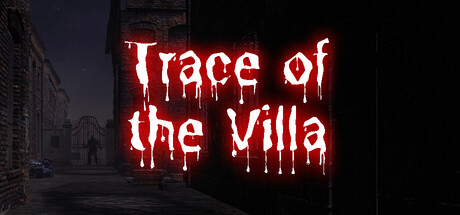
Trace of the Villa: Why Quiet Tension and Erased Identities Scare Better Than Loud Shocks
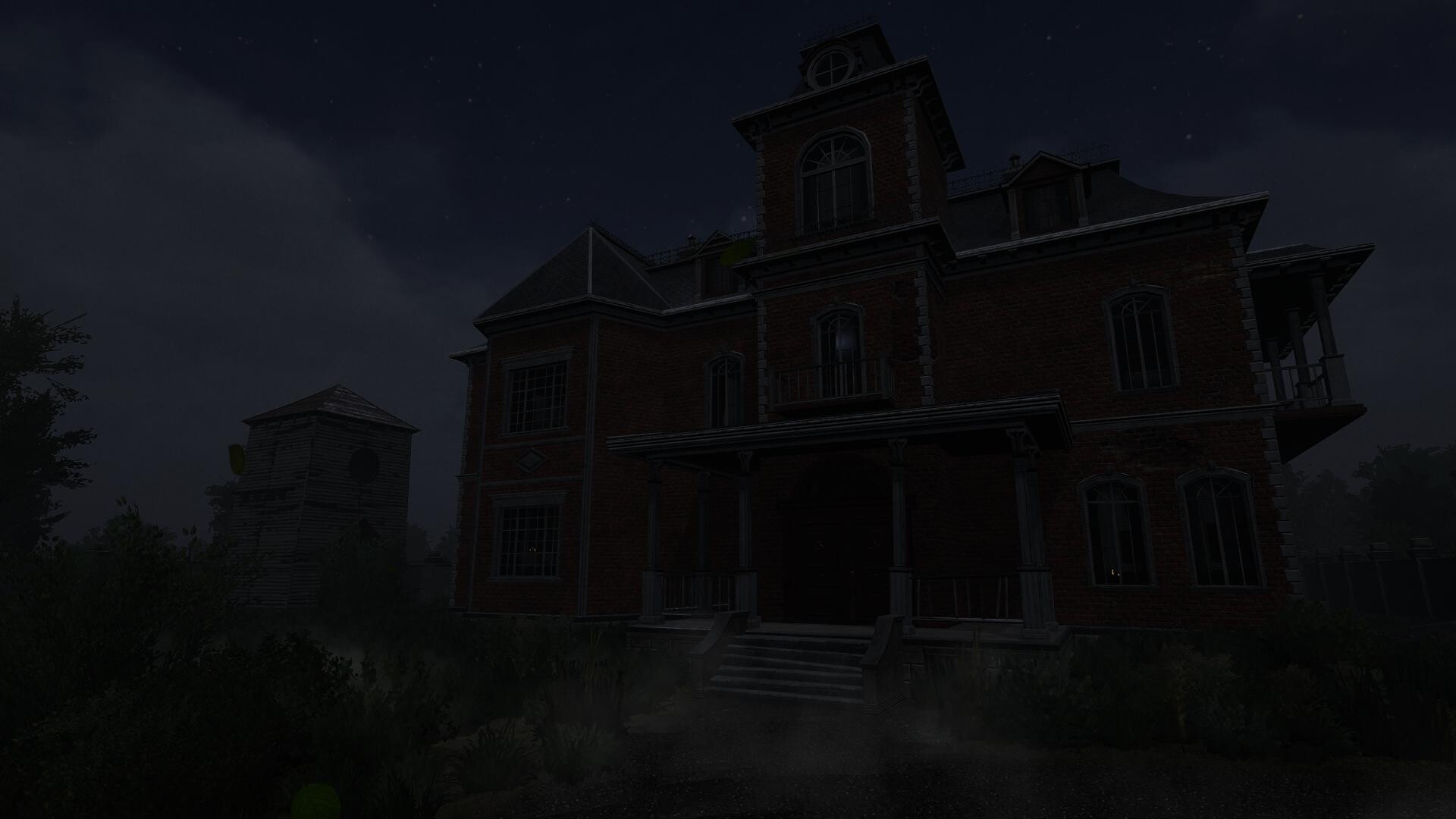
Trace of the Villa leans into slow, clue-driven dread: a decaying, off-the-grid mansion where the silence feels curated and identities look as if someone scrubbed them away. Released on 28 May, 2026 by Steadyturtle Co., Ltd., it’s a Steam indie that privileges atmosphere, investigation, and the creeping realization that the place was never just a house.

Who, What, When and Where
Who: Players who prefer atmospheric mystery adventure, psychological investigation, and environmental storytelling over jump-scare spectacle. Ideal for those who enjoy piecing together a narrative from objects, manifests, and locked compartments.
What: Trace of the Villa (Steam appid 3483660) is an Action / Adventure / Indie title in which protagonist Jin follows a lead to a remote, decaying mansion and recovers manifests and hints that his missing sister may still be alive. The mansion feels “less abandoned than erased,” with rooms staged as if occupants vanished mid-routine and evidence of falsified identities and controlled movements revealed as you restore systems and unlock hidden compartments.
When & Where: Released on 28 May, 2026 and published on Steam by Steadyturtle Co., Ltd. If you play on PC you’ll find the Steam store page for more details and system info.
Why the Quiet Tension Matters
Modern horror often leans on sudden shocks; Trace of the Villa builds pressure from the opposite end. The game’s official narrative cues — emptied photographs, missing names, encrypted documents, and transfer records that lead nowhere — create a persistent cognitive itch. That uncertainty is what turns routine exploration into psychological suspense: every closed door, flickering terminal, or disconnected power conduit implies human decisions and deliberate erasure.
Unexplained spaces force players to supply missing context with imagination. Where loud scares give you a single emotional spike, sustained ambiguity makes you anticipate threats and question the meaning of evidence — and that sustained anticipation can be more unsettling than any jump-scare.
How You Play: Reading Clues and Progress
Trace of the Villa frames progress around investigation and systems restoration. Jin restores power to the estate to reactivate secured systems; doing so unlocks hidden compartments, safes, and fragments of encrypted documents. Each solved puzzle or decrypted record reveals another layer of a concealed operation: financial trails that vanish, falsified identities, and records of people moving without official traces. The game emphasizes environmental puzzles, exploration, and narrative puzzle design rather than combat spectacle.
Steam categories also list accessibility and quality-of-life options such as color alternatives, custom volume controls, subtitle options, and “playable without timed input,” which signal a measured, exploration-first pacing.
Compact Facts — Trace of the Villa
| Title | Trace of the Villa |
|---|---|
| Release Date | 28 May, 2026 |
| Developer / Publisher | Steadyturtle Co., Ltd. |
| Genres | Action, Adventure, Indie |
| Steam Categories | Single-player; Color Alternatives; Custom Volume Controls; Playable without Timed Input; Subtitle Options; Family Sharing |
| Steam Store | View on Steam |
How It Compares — Nearby Mystery / Puzzle Titles
Below is a concise editorial comparison focusing on atmosphere, puzzle focus, exploration style, story tone, and pacing — not on ratings or sales.
| Title | Release | Atmosphere / Focus | Puzzle & Exploration | Pacing & Tone |
|---|---|---|---|---|
| Trace of the Villa | 28 May, 2026 | Mansion mystery; identity erasure; slow-burn psychological suspense | Clue-driven exploration; restore systems, unlock safes, decrypt documents | Measured, investigative, tension built through ambiguity |
| Amnesia: The Dark Descent | 8 Sep, 2010 | Immersive first-person horror with existential dread | Environmental puzzles and sanity mechanics; emphasis on immersion | Relentless, oppressive; survival-immersion focus |
| SOMA | 21 Sep, 2015 | Sci-fi horror that foregrounds questions of identity and consciousness | Exploration and problem-solving in a narrative-heavy setting | Slow, contemplative, philosophical tension |
| Layers of Fear (2016) | 15 Feb, 2016 | Painter’s mind and shifting Victorian mansion — psychological atmosphere | Exploration-focused with changing environments and storytelling puzzles | Psychological, disorienting, art-driven unease |
| Poppy Playtime | 12 Oct, 2021 | Abandoned factory with toy-themed threats and puzzle tools | Puzzle-mechanics tied to tools (e.g., GrabPack); more gameplay-driven | Patchwork chapters, more overt threats and set-piece moments |
Editorial note: these comparisons are about design and tone. Trace of the Villa sits closest to slow-burn, identity-focused narratives (SOMA, Layers of Fear) but frames its mystery around erased records and a mansion’s systems coming back online.
Player Scenarios — Who Should Wishlist This
- If you prize environmental storytelling and want a game that rewards careful reading of objects and documents, Trace of the Villa fits your shelf.
- If you prefer jump-scare, action-heavy horror, this is likely slower than you expect — it leans into puzzle-driven unraveling over combat set pieces.
- If you enjoy stories about institutional secrecy, falsified identities, and unraveling trails of transactions and manifests, the investigative thread here will hold your attention.
- If accessibility options and a non-timed, exploration-first pace matter, the Steam categories indicate features like “playable without timed input,” subtitles, and color alternatives.
YouTube Discovery
Want trailers or gameplay clips? Use this YouTube search path to find videos related to Trace of the Villa (search results may include trailers and player footage): Search Trace of the Villa on YouTube.
Leave a Reply