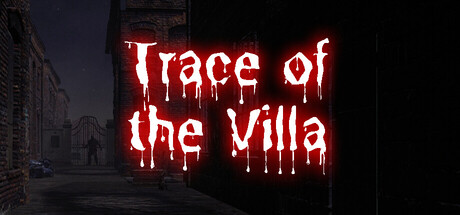
Trace of the Villa — why quiet tension and uncertainty matter more than shock claims
Set in a remote, decaying mansion, Trace of the Villa uses absent histories and erased identities to turn everyday rooms into sources of dread. Rather than trading on sudden jolts, it leans on slow reveals — locked doors, restored power, and fragments of falsified records — to make uncertainty the engine of fear.

Who, What, When, Where, Why, How
Who is this for?
If you prize atmospheric mystery adventure and psychological investigation over loud jump-scares, this is aimed at you. Players who enjoy environmental storytelling, careful clue-driven exploration, and unspooling a narrative from small, unsettling details will find the tone familiar and deliberate.
What is the game?
Trace of the Villa is a Steam indie title from Steadyturtle Co., Ltd. described as an Action / Adventure / Indie experience. The protagonist, Jin, follows a lead to a remote mansion where personal effects remain but photographs and names are missing, suggesting identities were removed and a larger concealed operation may have taken place.
When and where is it available?
Trace of the Villa released on Steam on 28 May, 2026. The Steam store page and assets are the primary official sources for details; see the Steam CTA below to visit the page directly.
Why does quiet tension and uncertainty matter here?
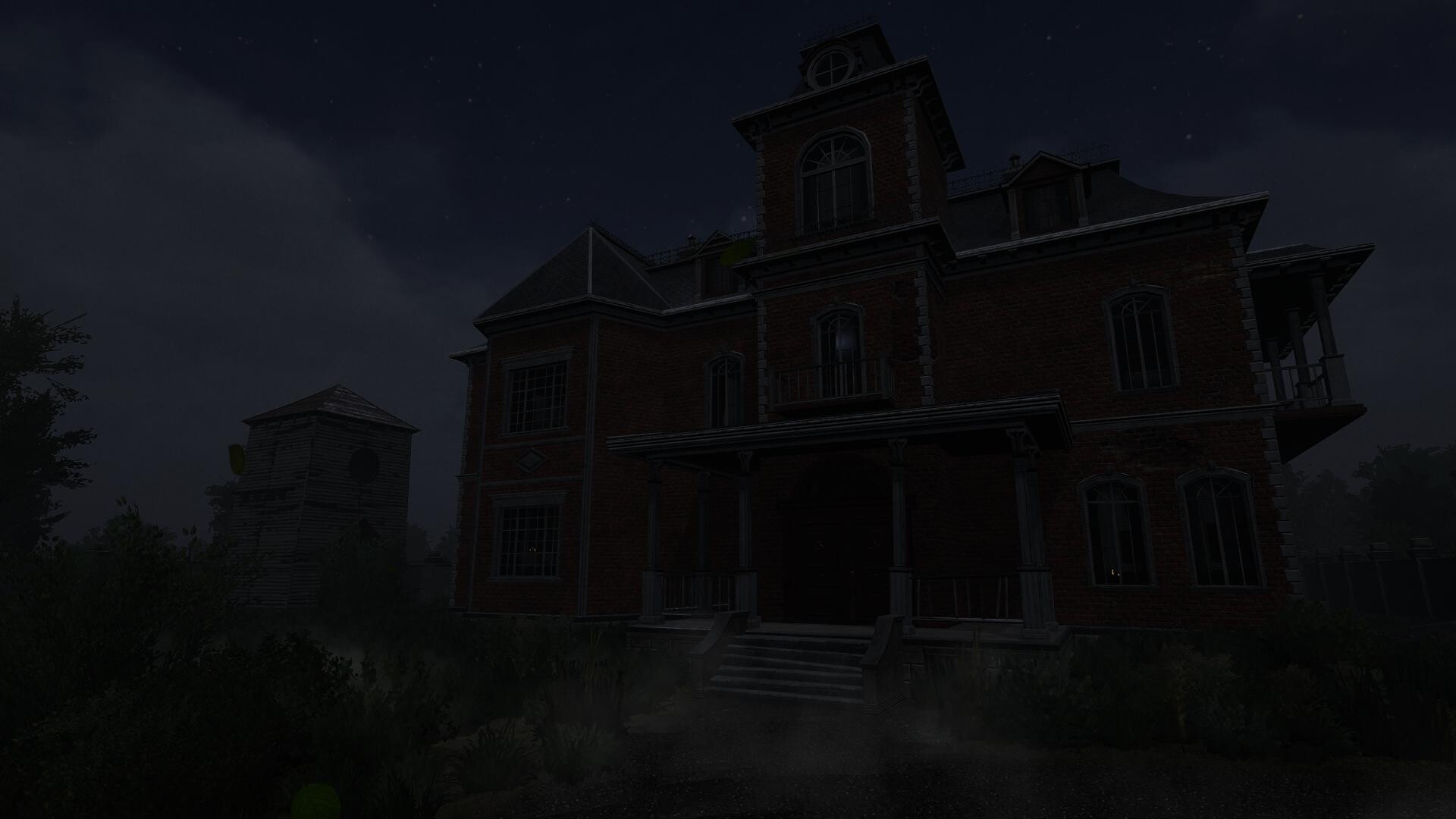
The mansion in Trace of the Villa is presented as “less abandoned than erased.” That creative choice shifts the player’s attention from immediate physical threat to intellectual unease: missing records, falsified transfers, and people who “passed through under strict control” create a slow-building suspicion that something systemic is wrong. That slow-burn approach converts silence and absence into psychological pressure — the opposite of cheap shocks.
How do players progress?
According to the official description, Jin restores power, reactivates systems, and opens secured compartments to reveal encrypted documents, suspicious transfers, and other fragments. Progress is puzzle-led and investigative: restoring systems, unlocking safes, and piecing together timelines and manifests to follow the trail toward Jin’s missing sister.
Visual context — two in-game screenshots

Quick facts
| Title | Trace of the Villa |
|---|---|
| Steam AppID | 3483660 |
| Release date | 28 May, 2026 |
| Developer / Publisher | Steadyturtle Co., Ltd. |
| Genres | Action, Adventure, Indie |
| Steam categories | Single-player; Color Alternatives; Custom Volume Controls; Playable without Timed Input; Subtitle Options; Family Sharing |
| Official premise (short) | Jin searches for his missing sister in a remote, decaying mansion where manifests and hints suggest she may still be alive. |
How Trace of the Villa fits your tastes — player scenarios
Scenario A: You prefer slow-burn, investigative atmosphere
Choose Trace of the Villa if you want puzzles and exploration that reward patience. The game centers on reactivating systems, opening sealed spaces, and decoding records — a good fit for players who like to read context from objects and system logs rather than rely on scripted scares.
Scenario B: You love narrative puzzle design and environmental storytelling
If you enjoy following a thread through documents, manifests, and encrypted fragments to assemble a timeline, this title’s clue-driven approach will match your expectations. The official description explicitly outlines safes, encrypted documents, and falsified identities as narrative devices.
Scenario C: You want tension without constant combat or timed inputs
Trace of the Villa’s Steam categories include “Playable without Timed Input” and single-player — signals that the pacing is deliberate rather than reflex-focused. Players who dislike twitch mechanics but want psychological suspense should consider adding it to their wishlist.
Scenario D: You prefer loud, fast horror
If your primary interest is jump-scares, high combat intensity, or quick-action horror loops, this game’s emphasis on erased identity and slow revelation may feel methodical. The title trades visceral shocks for mounting unease.
How it compares — other titles to consider
Below is a focused editorial comparison on genre, atmosphere, puzzle focus, exploration style, story tone, and pacing. This is editorial discovery only, not a claim of superiority.
| Title | Genre / Focus | Atmosphere & Pacing | Puzzle vs. Threat | Exploration Style | Who might prefer it? |
|---|---|---|---|---|---|
| Trace of the Villa | Action / Adventure / Indie | Slow-burn, investigative; emphasis on erased identities and quiet suspense | Puzzle-led (restoring power, unlocking safes, decoding documents) | Clue-driven, mansion exploration with system reactivation | Players who favor environmental storytelling and methodical mystery |
| Amnesia: The Dark Descent | Action / Adventure / Indie | Immersive, oppressive; often immediate horror and survival tension | Mix of puzzles and survival; sanity mechanics heighten threat | First-person exploration with reactive world elements | Players wanting immersive survival-horror and dread mechanics |
| SOMA | Action / Adventure / Indie (sci-fi horror) | Existential, atmospheric; reflective pacing with philosophical weight | Story and puzzle emphasis; survival elements underpin unease | Linear, narrative-driven exploration in confined environments | Players who prefer narrative horror with philosophical questions |
| Layers of Fear (2016) | Adventure / Indie | Psychological, shifting; strong focus on disorientation and artful atmosphere | Exploration puzzles tied to narrative and changing spaces | Unstable mansion that rearranges; exploration reveals the past | Players who like surreal, story-focused psychological horror |
| Poppy Playtime | Action / Adventure / Indie | Fast-paced, set-piece encounters; toy-factory dread with active threats | Puzzles mixed with chase/avoidance moments | Structured chapter progression through themed areas | Players seeking tense set-pieces and puzzle-action hybrid gameplay |
Leave a Reply