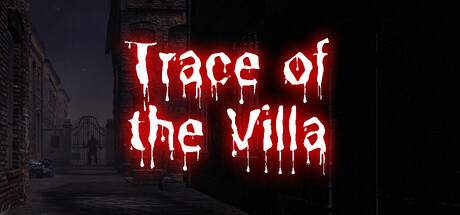
Trace of the Villa — why quiet tension and erased identities matter more than cheap shocks
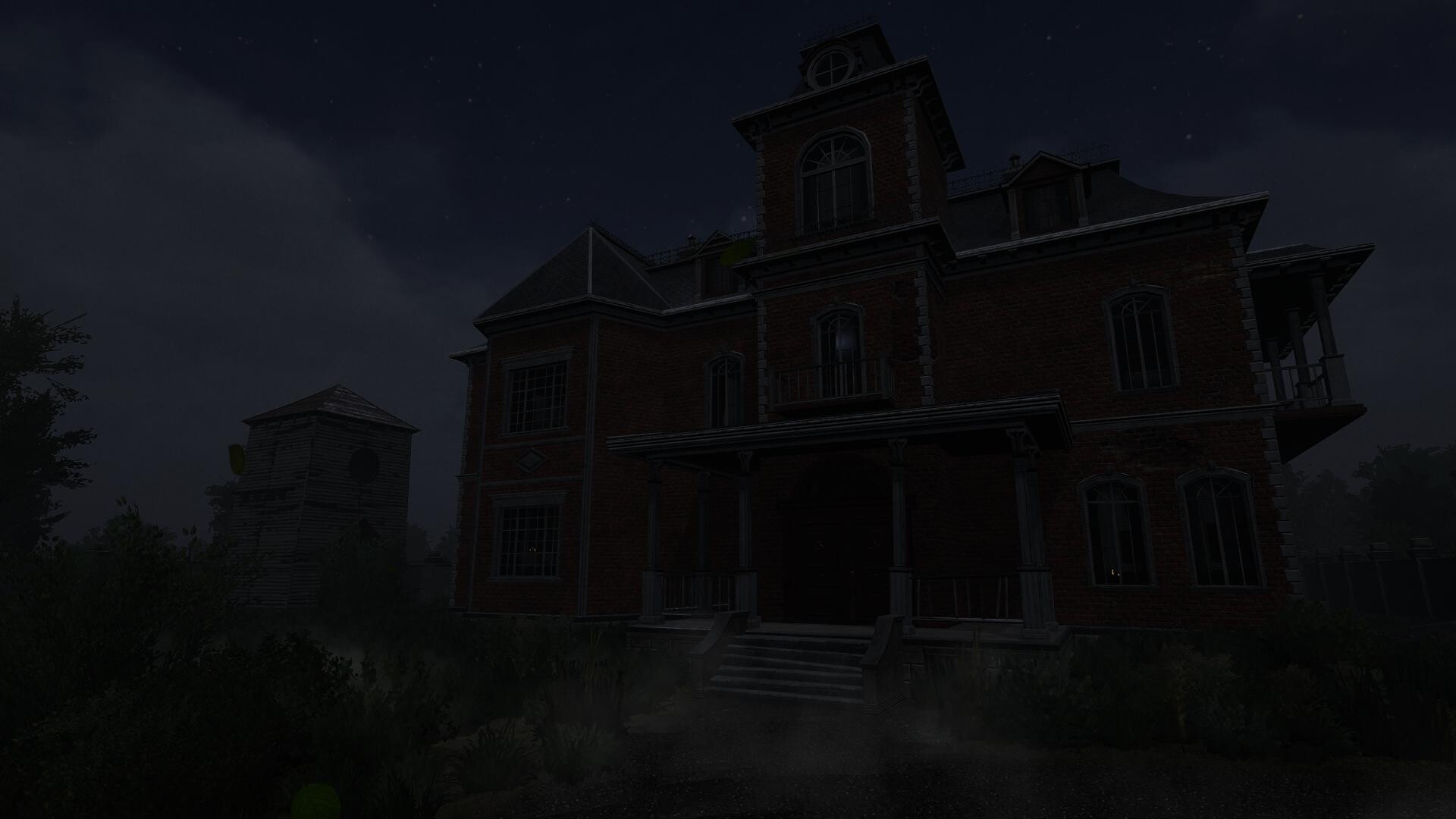
Trace of the Villa is a slow-burn psychological mystery set inside a remote, decaying mansion where rooms feel “less abandoned than erased.” Its approach leans on atmospheric suspense — unexplained spaces, missing records, and the slow accumulation of clues — rather than lurid jump scares.

Who
Who this is for: players who prefer narrative puzzle design, environmental storytelling, and slow-burn suspense over reflex-driven horror. If you like methodical clue-driven exploration and piecing together a timeline from fragmented records — rather than spike-adrenaline jump scares — Trace of the Villa is aimed at you.
What
What the game is: Trace of the Villa casts you as Jin, who “has spent years searching for his missing sister, pursuing leads that took him to a remote, decaying mansion” (official short description). The Steam description emphasizes rooms furnished as if occupants vanished mid-routine, locked doors hiding secrets, and an eerie absence of photographs or names — an impression of identity erasure rather than ordinary neglect.

When & Where
Release date and availability: Trace of the Villa launched on 28 May, 2026 and is listed on Steam. Developer and publisher are Steadyturtle Co., Ltd. (Steam appid: 3483660). The game appears in Steam’s Action / Adventure / Indie grouping and is presented with accessibility and single-player options listed on the store page.
Why the theme matters: unexplained spaces and identity erasure
Many modern horror games default to loud shocks; Trace of the Villa places emphasis on absence and omission. The sensation that “identities themselves were removed” gives the mansion a social and psychological texture: missing records, no photographs, falsified identities and financial trails that lead nowhere (official description). That kind of ambiguity forces the player to perform the investigative work that the game asks of Jin — reading small details, reconstructing habit and timetable, and tolerating long stretches of uncertainty.
Quiet tension preserves agency for the player. When the atmosphere, set-dressing, and a slow reveal of documents and systems carry the dread, the emotional stakes come from comprehension and implication rather than from reflex. For many players, that sustained uncertainty is more corrosive than a single jump-scare because it invites projection: you fill in the blanks, and what you imagine can be worse than what’s shown.
How you progress: clue-driven restoration and excavation
The Steam description outlines key mechanics as narrative beats: restoring power to the estate brings systems back online, hidden compartments and safes reveal encrypted fragments, and each solved puzzle uncovers another layer of a concealed operation. Progress is less about combat or time pressure and more about reconstructing timelines and following faint paper trails: manifests, transfer records, and falsified identities that suggest people moved through this place under strict control.
That means the most productive playstyle is methodical — search rooms thoroughly, cross-reference recovered manifests with other documents, and expect progression to hinge on understanding the operation rather than on beating enemies or enduring timed sequences. The Steam page lists accessibility and control options such as subtitle options, custom volume controls, and “playable without timed input,” which aligns with a contemplative pace of play.
Compact facts — Trace of the Villa
| Title | Trace of the Villa |
|---|---|
| Steam AppID | 3483660 |
| Release Date | 28 May, 2026 |
| Developer | Steadyturtle Co., Ltd. |
| Publisher | Steadyturtle Co., Ltd. |
| Genres | Action, Adventure, Indie |
| Categories / Features | Single-player; Color Alternatives; Custom Volume Controls; Playable without Timed Input; Subtitle Options; Family Sharing |
How it compares (quick editorial table)
Comparison is focused on tone, pacing, and the nature of exploration or puzzles — not on quality claims.
| Title | Release | Core atmosphere | Exploration / puzzle focus | Pacing / tone |
|---|---|---|---|---|
| Trace of the Villa | 28 May, 2026 | Mansion mystery; identity erasure; institutional concealment (official description) | Clue-driven restoration of systems, decoding manifests and encrypted fragments | Slow-burn, investigative, tension through omission |
| Amnesia: The Dark Descent | 8 Sep, 2010 | Immersive first-person nightmare | Exploration and survival with heavy immersion and environmental horror | Slow to tense; emphasis on powerlessness |
| SOMA | 21 Sep, 2015 | Sci-fi, existential dread beneath the ocean | Exploration and narrative puzzles with philosophical interrogation | Measured, contemplative, unsettling |
| Layers of Fear (2016) | 15 Feb, 2016 | Psychological, shifting Victorian mansion; artistic obsession | Environmental puzzles and changing architecture tied to story | Atmospheric, hall-of-mirrors approach to sanity and memory |
| Poppy Playtime | 12 Oct, 2021 | Abandoned toy factory with puzzle/horror elements | Puzzle tools (GrabPack) and set-piece encounters | Higher emphasis on set-pieces and immediate threat |
Player scenarios — will you want to wishlist it?
- If you love slow investigative play: You’ll likely appreciate the patient document work and systems-restoration described on the Steam page — this is designed around piecing together an operation from fragments.
- If you prize atmosphere over shock: Expect quiet dread built from unexplained spaces and the erasure of identity rather than frequent jump scares.
- If you’re drawn to immediate action and set-piece threat: This may feel too contemplative; the Steam tags and description emphasize exploration and investigation rather than timed inputs or combat-heavy mechanics.
YouTube discovery
Search for trailers or gameplay clips via YouTube: Trace of the Villa — YouTube search results. Use this to preview pacing and visual tone; the Steam page’s screenshots and header image give a good sense of the game’s visual language, but videos can confirm how the tension is paced in motion. (The link is a discovery path; specific videos should be verified before assuming they’re official.)
Final take — quiet tension as a design choice
Trace of the Villa trades on omission: missing names, no photographs, locked records, and the slow reactivation of the estate’s systems. That design choice makes uncertainty and identity erasure the engine of the horror. For players who want to solve the mystery by inference — reading manifests, unlocking safes, and tracing falsified identities — the mansion’s silence is an ally rather than an obstacle.
Leave a Reply