
Trace of the Villa — how quiet tension and erased identities turn a mansion into a slow‑burn investigation
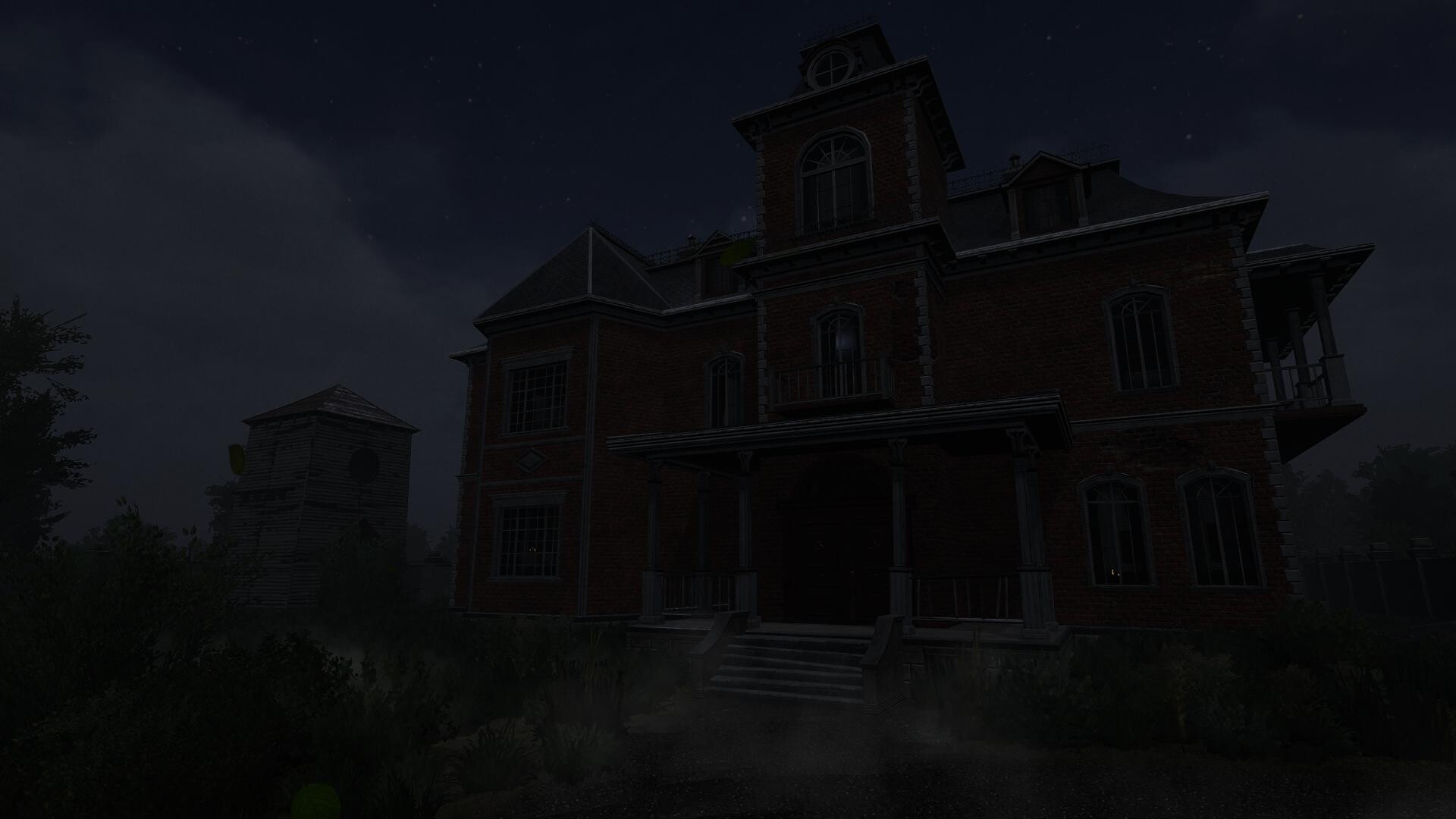
Trace of the Villa asks you to follow after a missing person through a remote, decaying mansion that feels less abandoned than deliberately emptied of history. The game trades jump scares for sustained unease — rooms that look lived in but lack photographs or names, locked systems that only reveal fragments, and a methodical unspooling of falsified identities.

Quick facts
| Title | Trace of the Villa |
|---|---|
| Developer / Publisher | Steadyturtle Co., Ltd. |
| Release date | 28 May, 2026 |
| Steam AppID | 3483660 |
| Genres | Action, Adventure, Indie |
| Categories (Steam) | Single-player; Color Alternatives; Custom Volume Controls; Playable without Timed Input; Subtitle Options; Family Sharing |
Who is this for?
If you prefer atmospheric mystery adventure and psychological investigation to visceral horror, Trace of the Villa is aimed at you. Players who enjoy methodical clue-driven exploration, piecing together story from environmental details and encrypted fragments, and who appreciate slow-burn suspense over constant shocks will find the tone aligned with their tastes.
What the game is
According to its Steam page, Trace of the Villa centers on Jin, who has spent years searching for his missing sister. A lead brings him to a cut‑off, decaying mansion where manifests and hints suggest she may still be alive. The estate’s rooms appear as if their occupants vanished mid‑routine; however, personal photographs and names are conspicuously absent, implying deliberate erasure. Restoring power and unlocking secured systems reveal encrypted documents, suspicious transfer records, and a wider concealed operation — the kind of investigative premise built around piecing together evidence, not cinematic set pieces.
When and where
Trace of the Villa released on Steam on 28 May, 2026. It’s presented as a PC Steam title from Steadyturtle Co., Ltd.; the Steam store page lists the game’s genres and accessibility categories for single‑player play and UI options such as subtitles and custom volume controls.
Why quiet tension and uncertainty matter here
The mansion’s “erased” feel is the central device: missing names, absent photographs, and falsified records are not just plot beats but design levers that create ongoing cognitive unease. When a space refuses to confirm past lives, the player’s imagination fills the gaps — and the game can make those gaps feel heavy. The result is a sustained tension where every restored circuit or unlocked safe yields more ambiguity: fragments of documents instead of full explanations, transfer records that point to a system rather than individuals. That ambiguity forces you to be an investigator rather than a spectator, and the dread comes from the unknowable, not from staged frights.
How you play and how progression works
Progression is clue-driven and investigative. The Steam description states you restore the mansion’s power to bring secured systems back online; hidden compartments and safes then reveal fragments like encrypted documents and suspicious transfer records. Reconstructing timelines and reading those fragments is the core loop: solve environmental puzzles to access locked areas, collect and read manifests or recovered records, and assemble a pattern of arrivals without records or departures without witnesses. The gameplay emphasis is on uncovering layers of concealment through exploration and puzzle solving rather than confrontation or timed action.

Player scenarios — who should wishlist this
- The slow-burn investigator: You prefer uncovering a plot through documents, locked safes and intermittent system restores rather than constant pacing spikes.
- The atmospheric explorer: You value environmental storytelling and rooms that suggest lives once lived — and feel unsettled when those lives are intentionally effaced.
- The narrative puzzle fan: You enjoy puzzles that gate narrative payoff (restoring power, decoding fragments, assembling timelines) rather than reflex challenges; the Steam page notes “Playable without Timed Input” and helpful accessibility categories like subtitles and custom volume controls.
How it sits beside other psychological horror / mystery titles
Below is a focused editorial comparison on lawful criteria: tone, puzzle/ exploration emphasis, pacing, and general player fit. These comparisons use public descriptions and release dates only.
| Title | Tone & Atmosphere | Puzzle / Exploration Focus | Pacing / Player Fit |
|---|---|---|---|
| Trace of the Villa (2026) | Decaying mansion, erased identities, investigatory dread | Clue-driven: restore power, unlock safes, read encrypted fragments | Slow-burn; for players who prefer methodical reconstruction |
| Amnesia: The Dark Descent (2010) | Immersive, survival-leaning horror that emphasizes helplessness | Environmental puzzles and sanity mechanics tied to survival | Intense immersion and sustained fear; suits players seeking high tension |
| SOMA (2015) | Sci‑fi existential dread set in an oceanic facility | Exploration and narrative puzzles that question identity | Thoughtful pacing with philosophical undertones; suited for story-focused players |
| Layers of Fear (2016) | Shifting Victorian mansion and psychological breakdown | Atmospheric exploration with changing environments tied to story | Artistic, creeping insanity; good for players who want a surreal horror narrative |
| Poppy Playtime (2021) | Abandoned factory with puzzle-horror encounters | Puzzles combined with set-piece chases and toy-driven threats | Faster beats and clearer threats; for players who want puzzle action with periodic peaks |
Practical notes before you wishlist
Steam categories list Trace of the Villa as Action / Adventure / Indie and call out Single‑player, Color Alternatives, Custom Volume Controls, Playable without Timed Input, Subtitle Options, and Family Sharing. If you care about accessibility and a non‑timed investigative pace, these labels are relevant. If you prefer horror driven by constant threat or high-intensity survival mechanics, the game’s emphasis on atmospheric ambiguity may feel too restrained.
Watch or search for footage
If you want to see the pacing and presentation before deciding, use this YouTube discovery link to search trailers and gameplay: Search Trace of the Villa trailers and gameplay on YouTube. This link is for discovery; not every video returned is an official trailer.
Leave a Reply