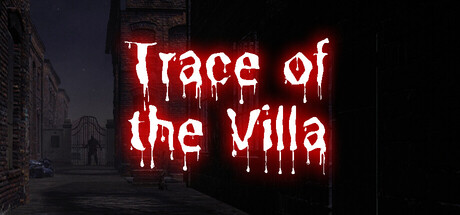
Trace of the Villa: why quiet tension and erased identities haunt the best psychological horror
Trace of the Villa (Steadyturtle Co., Ltd., released 28 May, 2026) builds a slow-burning, clue-driven mystery inside a deliberately forgotten mansion where rooms feel “erased” rather than simply abandoned. The game trades jump scares for atmospheric suspense, asking players to read manifests, restore power, and follow financial and identity fragments to a truth that arrives through uncertainty rather than spectacle.

Who, What, When, Where, Why, How
Who it’s for
Players who prefer atmospheric mystery adventure and psychological investigation over loud jump scares. If you enjoy story-rich exploration, environmental storytelling, and puzzle-driven progress that reveals context slowly, Trace of the Villa is aimed at you. The Steam store lists it as Action / Adventure / Indie and single-player, with subtitle options and accessibility toggles such as color alternatives and custom volume controls, which helps players who value quiet, readable tension.
What the game is
Trace of the Villa places you in the shoes of Jin, a protagonist searching for his missing sister. The official Steam description frames the mansion as “cut off from the grid and deliberately forgotten.” Inside, rooms are furnished but conspicuously devoid of names, photographs, and histories — the house feels less abandoned than erased. Restoring power and unlocking systems reveals manifests, encrypted documents, and suspicious transfer records that hint at falsified identities and controlled arrivals and departures.
When and where
Trace of the Villa released on Steam on 28 May, 2026. It is developed and published by Steadyturtle Co., Ltd. The game’s Steam page lists PC-focused discovery and standard single-player availability.
Why the theme matters
Unexplained spaces and identity erasure are powerful tools for slow-burn horror because they force the player to become an investigator of absence. Rather than a creature attacking at predictable beats, an emptied personal archive or a row of nameless lockers creates cognitive dissonance: why would the traces of people be scrubbed? That uncertainty—questions about who belonged here and whether they were allowed to leave—sustains tension longer than repeated shocks, and it anchors emotional stakes to Jin’s personal search.
How you progress
The game’s structure is clue-led: restoring power yields locked systems and hidden compartments, safes produce fragments of encrypted records, and each solved puzzle uncovers another layer of a concealed operation. Progress is built around reading environmental clues, piecing together manifests and suspicious financial trails, and interpreting what the mansion withheld rather than what it reveals outright.
Official visuals
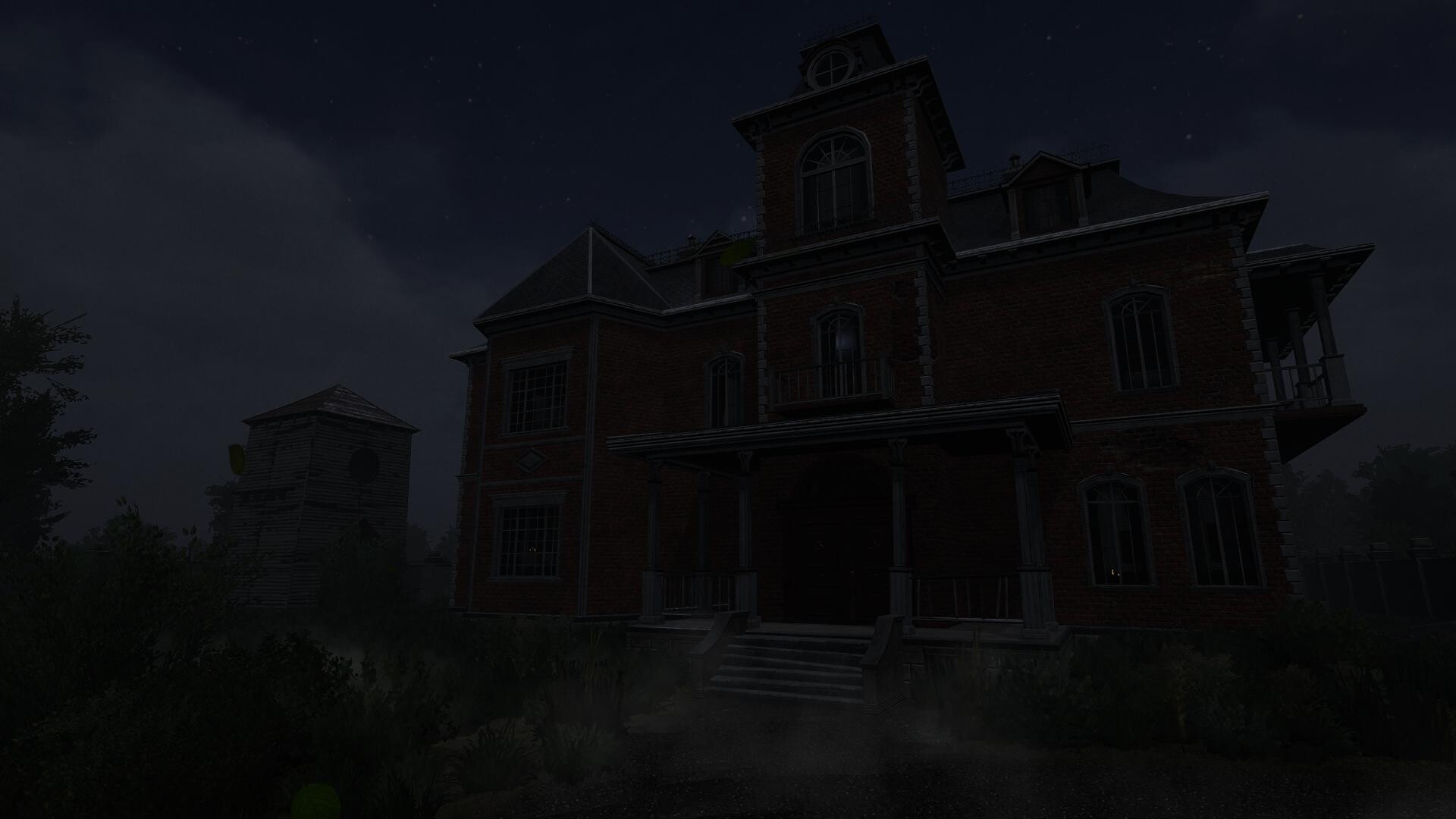

Compact facts: Trace of the Villa
| Title | Trace of the Villa |
|---|---|
| Steam App ID | 3483660 |
| Release date | 28 May, 2026 |
| Developer / Publisher | Steadyturtle Co., Ltd. |
| Genres | Action, Adventure, Indie |
| Key Steam categories | Single-player; Color Alternatives; Custom Volume Controls; Playable without Timed Input; Subtitle Options; Family Sharing |
| Store link | Trace of the Villa on Steam |
How it compares — quiet tension versus shock-driven horror
Below is an editorial comparison on atmosphere, pacing, puzzle focus and exploration style between Trace of the Villa and a few well-known psychological/horror titles. This is an editorial discovery comparison intended to help readers decide which pacing and style suit their tastes.
| Title | Atmosphere & Story Tone | Pacing & Tension Style | Puzzle / Exploration Focus |
|---|---|---|---|
| Trace of the Villa | Mansion mystery with erased identities and a manually restored infrastructure that reveals hidden records (steam description). | Slow-burn, uncertainty-driven suspense that relies on unanswered questions more than overt shocks. | Clue-driven: manifests, encrypted documents, systems to restore; environmental storytelling is primary. |
| Amnesia: The Dark Descent (2010) | Immersive first-person survival horror focused on dread and helplessness (topic research note). | Intense, oppressive pacing that leans into vulnerability and dread. | Exploration and survival with puzzles that heighten immediate peril rather than procedural document reconstruction. |
| SOMA (2015) | Sci‑fi horror with existential themes, set in an environment that questions identity and consciousness (topic research note). | Pacing blends quieter philosophical moments with tense set-pieces; tension often arises from narrative revelations. | Exploration-heavy with narrative puzzles; philosophical investigation of identity complements environmental clues. |
| Layers of Fear (2016) | Psychological horror in a shifting Victorian house that explores madness through atmosphere (topic research note). | Variable pacing, leaning on disorientation and changing spaces rather than forensic clue work. | Environmental puzzles and unfolding scenes designed to unsettle and alter perception rather than build forensic timelines. |
| Poppy Playtime (2021) | Horror/puzzle adventure in an abandoned factory with toy-themed antagonists (topic research note). | More overtly action-and-encounter focused; designed moments of chase and immediate threat. | Puzzle mechanics often tied to gadgets and movement; stakes are more immediate compared to archival investigation. |
Player scenarios — decide whether to wishlist
- If you like slow-burn, investigative horror: You’ll appreciate Trace of the Villa’s focus on restored systems and fragmented documents. The game rewards patience and attention to environmental detail.
- If you want immediate, adrenaline-led scares: Trace of the Villa emphasizes suspense and mystery over frequent jump scares or chase sequences, so it will feel measured compared with more encounter-driven horror.
- If you value narrative puzzle design: The mansion’s locked systems, encrypted records, and manifest fragments create a puzzle loop tied to narrative discovery rather than abstract mechanics.
- If accessibility and readability matter: The Steam page lists subtitle options, color alternatives, and custom volume controls — useful for players who prefer controlled sensory input while playing tension-heavy scenes.
YouTube discovery
Looking for trailers or gameplay? Use this YouTube search path (useful for locating trailers and community content; not an affirmation of any single video’s official status): Search: Trace of the Villa trailer & gameplay on YouTube.
Final thoughts
Trace of the Villa leans into the psychological texture of absence: erased photos, unlocked safes that only expose fragments, and a mansion that feels intentionally scrubbed of identity. That design choice makes quiet tension and sustained uncertainty the game’s central instrument — a different, and to many players more unsettling, flavor of horror than headline jump scares.
Want to see the Steam page or wishlist it? Visit the Steam store: Trace of the Villa on Steam
Disclaimer: referenced titles and trademarks belong to their respective owners. Comparisons are editorial discovery only and do not imply endorsement, partnership, or sponsorship by those owners.
Leave a Reply