
Trace of the Villa: why quiet tension and identity-erasure suspense matter more than jump scares
Trace of the Villa is a slow-burn, clue-driven psychological mystery that leans on atmosphere and unresolved spaces rather than momentary shocks. Released on 28 May, 2026 by Steadyturtle Co., Ltd., it puts you in the shoes of Jin, an investigator following faint manifests and broken systems through a deliberately forgotten mansion where personal histories seem to have been scrubbed away.

What Trace of the Villa is
At its core, Trace of the Villa is an atmospheric mystery adventure with action and exploration elements. The official Steam pitch describes Jin’s long search for a missing sister that leads him to a remote, decaying mansion cut off from the grid. The house “feels less abandoned than erased”: rooms frozen mid-routine, belongings in place but noticeably missing photos or names, locked doors and secured systems that only reveal fragments when power is restored. As Jin brings systems back online he uncovers encrypted documents, suspicious transfer records, falsified identities, and patterns of arrivals and departures without records — a setting built around erasure and uncertainty rather than overt spectacle.
Who it’s for
- Players who prefer tension built from unknowns and implication rather than repeated jump scares.
- Fans of environmental storytelling, slow-burn suspense, and narrative puzzle design who like to piece together a timeline from scattered documents and restored systems.
- Those who value accessibility options noted on the Steam page: single-player play, subtitle options, custom volume controls, color alternatives, and mechanics playable without timed input.
- PC players who enjoy mansion mysteries with investigative pacing and discovery that rewards patient reading and careful observation.
When and where to find it
Trace of the Villa released on Steam on 28 May, 2026. It is published and developed by Steadyturtle Co., Ltd., and listed under Action, Adventure, and Indie genres on its Steam store page. The Steam listing includes multiple screenshots and a trailer thumbnail for visual reference.
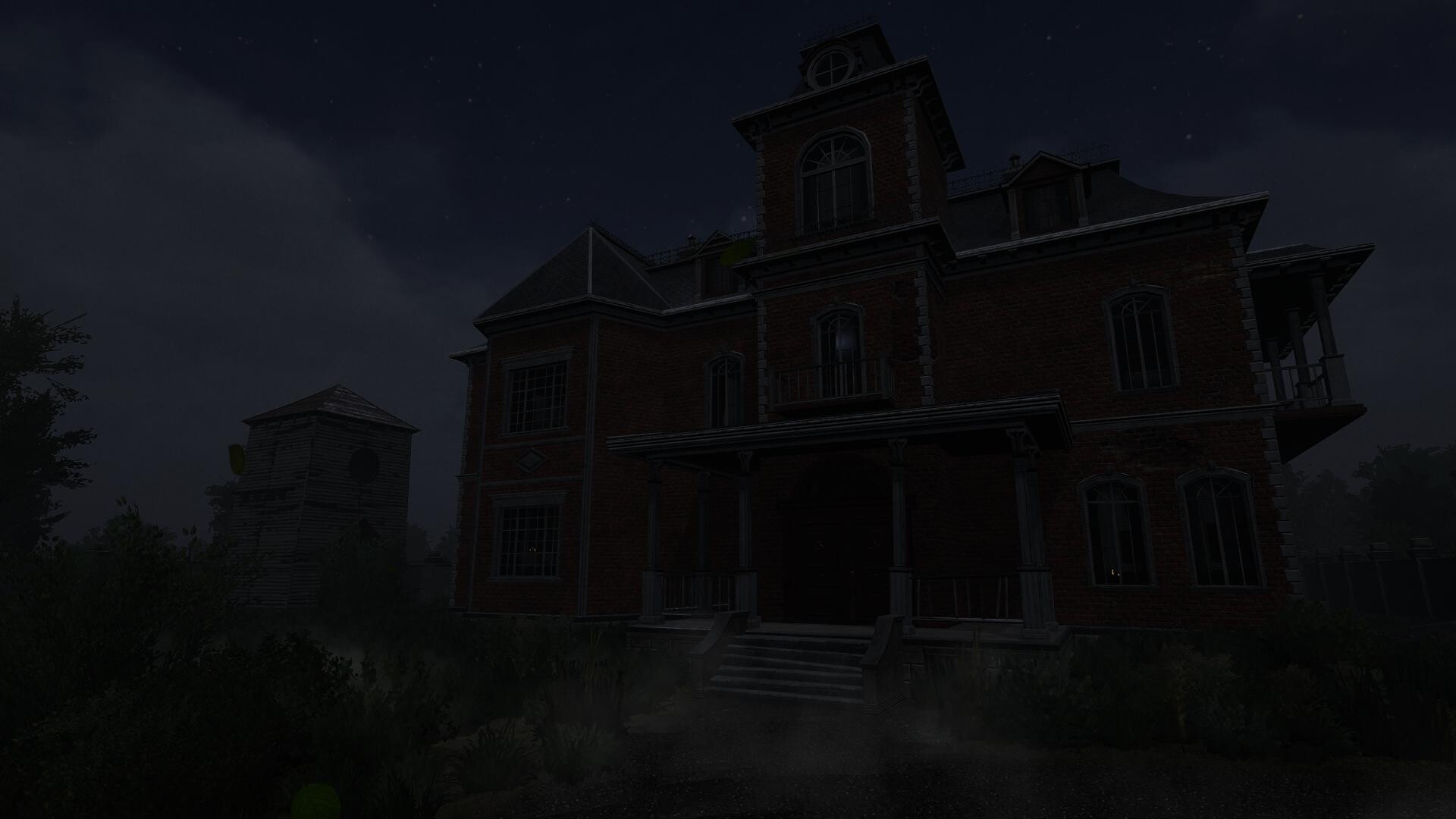

Why the theme of erased identity matters
The game’s insistence on missing photographs, anonymized belongings, falsified identities, and financial trails that lead nowhere turns a haunted-house setup into a study of disappearance itself. Psychological horror that centers on identity erasure forces players to confront absence as evidence: the lack of a record becomes an active clue. In Trace of the Villa that structural silence — rooms arranged but scrubbed of names, documents fragmentary and encrypted — converts exploration into an act of reconstruction. That kind of unease lingers because it leaves your mind to supply what the game refuses to show.
How you play and progress
According to the official description, progression hinges on investigation and systems restoration. Jin discovers manifests and hints; when power is restored, secured systems and hidden compartments begin to yield evidence. Players solve puzzles, unlock safes or compartments, and piece together encrypted fragments and transfer records to reconstruct timelines and motives. The emphasis is on reading clues, cross-referencing discovered materials, and following a trail where each solved puzzle exposes another concealed layer.
Practical decision guide — should you wishlist it?
- Wishlist if you like: mansion mysteries, environmental storytelling, clue-driven exploration, methodical pacing, and narrative puzzles that emphasize implication over scare tricks.
- Skip or wait if you prefer: fast-paced action, constant combat or frequent scripted jump-scares, or games that deliver immediate, high-intensity thrills rather than slow tension.
- Consider platform and accessibility: the Steam page lists Single-player, Subtitle Options, Color Alternatives, Custom Volume Controls, and Playable without Timed Input — useful signals for players who need those options.
How Trace of the Villa compares to nearby titles
Below is a focused editorial comparison on lawful criteria: genre, atmosphere, puzzle emphasis, exploration style, and pacing. These comparisons are framed to help readers choose based on preferred experience, not to assert superiority.
| Title | Genre / Setting | Atmosphere / Tone | Puzzle vs Survival | Exploration Style | Pacing / Player Fit |
|---|---|---|---|---|---|
| Trace of the Villa | Action, Adventure, Indie — decaying remote mansion | Quiet, erased identities, institutional concealment | Clue-driven puzzles, systems restoration | Document and environment-focused investigation | Slow-burn; for patient investigators and story-first players |
| Amnesia: The Dark Descent | Action / Adventure — first-person survival horror | Immersive dread and atmospheric immersion | Survival mechanics plus environmental puzzles | Close, claustrophobic exploration | Intense, immersion-focused; suits players wanting bodily fear |
| SOMA | Action / Adventure — sci-fi horror below the ocean | Existential, unsettling, thought-provoking | Story puzzles with limited combat; emphasis on narrative | Linear, narrative-led exploration | Measured pacing; appeals to players who value philosophical tension |
| Layers of Fear (2016) | Adventure / Indie — Victorian mansion, psychological horror | Surreal, shifting architecture, psychological unraveling | Environmental puzzles tied to narrative beats | Mutable spaces that change as you progress | Artful, atmospheric; for players who enjoy psychological storytelling |
| Poppy Playtime | Action, Adventure, Indie — abandoned toy factory | Playful-yet-creepy, toy-mechanic tension | Puzzle-adventure with unique tool (GrabPack) mechanics | Exploratory factory with mechanical puzzles | Faster tempo and set-piece puzzles; for players who want gadget-driven solutions |
Player scenarios — concrete situations
- If you enjoy taking notes and cross-referencing documents to reconstruct a timeline, Trace of the Villa aligns well with that methodical practice.
- If you want to be startled frequently and prefer active enemy encounters, this title’s emphasis on erasure and quiet revelation may feel too restrained.
- If accessibility options like subtitles, color alternatives, and non-timed mechanics matter to you, the Steam listing shows features that help make the experience more approachable.
- If you like puzzle layers that open up new systems (power, safes, encrypted files) as a reward for investigation, this game’s design intent matches that loop.
Trailer and video discovery
For trailers and gameplay videos, search for Trace of the Villa on YouTube — the discovery link: Trace of the Villa trailer & gameplay (YouTube search). The Steam store page also includes a trailer thumbnail and multiple official screenshots
Leave a Reply