Trace of the Villa: puzzles as evidence in a mansion mystery
Trace of the Villa frames its investigation around tangible clues—manifests, encrypted fragments and locked safes—that read less like abstract puzzles and more like forensic evidence. The result is an atmospheric mystery adventure where object logic and narrative puzzles work together to reveal why the house was deliberately erased and whether Jin’s missing sister might still be alive.

What it is
Trace of the Villa is an action-adventure indie on Steam that presents a slow-burn, story-rich investigation inside a remote, decaying mansion. According to the official Steam description, protagonist Jin has spent years searching for his missing sister; a lead brings him to a property “cut off from the grid and deliberately forgotten.” The house contains manifests and hints indicating his sister may still be alive, and as Jin restores power, locked systems and safes begin to yield fragments that form a disturbing pattern of falsified identities, suspicious transfers and arrivals without records.
Who it’s for
- Players who favor atmospheric mystery adventure and environmental storytelling rather than twitch reflex challenges.
- Puzzle players who enjoy clue-reading where each solved object is treated as a piece of evidence that updates the narrative timeline.
- Fans of slow-burn psychological investigation and mansion mysteries who want puzzles integrated into story logic.
- PC players who prefer accessibility options such as Color Alternatives, Custom Volume Controls, Subtitle Options, and Playable without Timed Input (categories listed on the Steam page).
When and where
Trace of the Villa launched on Steam on 28 May, 2026. It is developed and published by Steadyturtle Co., Ltd. (Steam app ID 3483660) and appears on the Steam storefront as an Action / Adventure / Indie title in Single-player with the accessibility and category options noted above.
Why the puzzle-as-evidence approach matters
Many puzzle-adventure games treat puzzles as isolated obstacles; Trace of the Villa positions puzzles as primary witnesses. Restoring power to the estate is a narrative trigger—secured systems come back online, hidden compartments unlock and safes yield fragments of encrypted documents and transfer records. Those artifacts function like testimony: they don’t just gate progress, they shift the player’s understanding of events and motive. That narrative logic—clues accumulating into a pattern of human movement, falsified identities, and financial traces—gives the mansion a forensic, investigative feel. If you like your puzzles to change how the story reads rather than merely opening the next door, that design choice will be central to the experience.
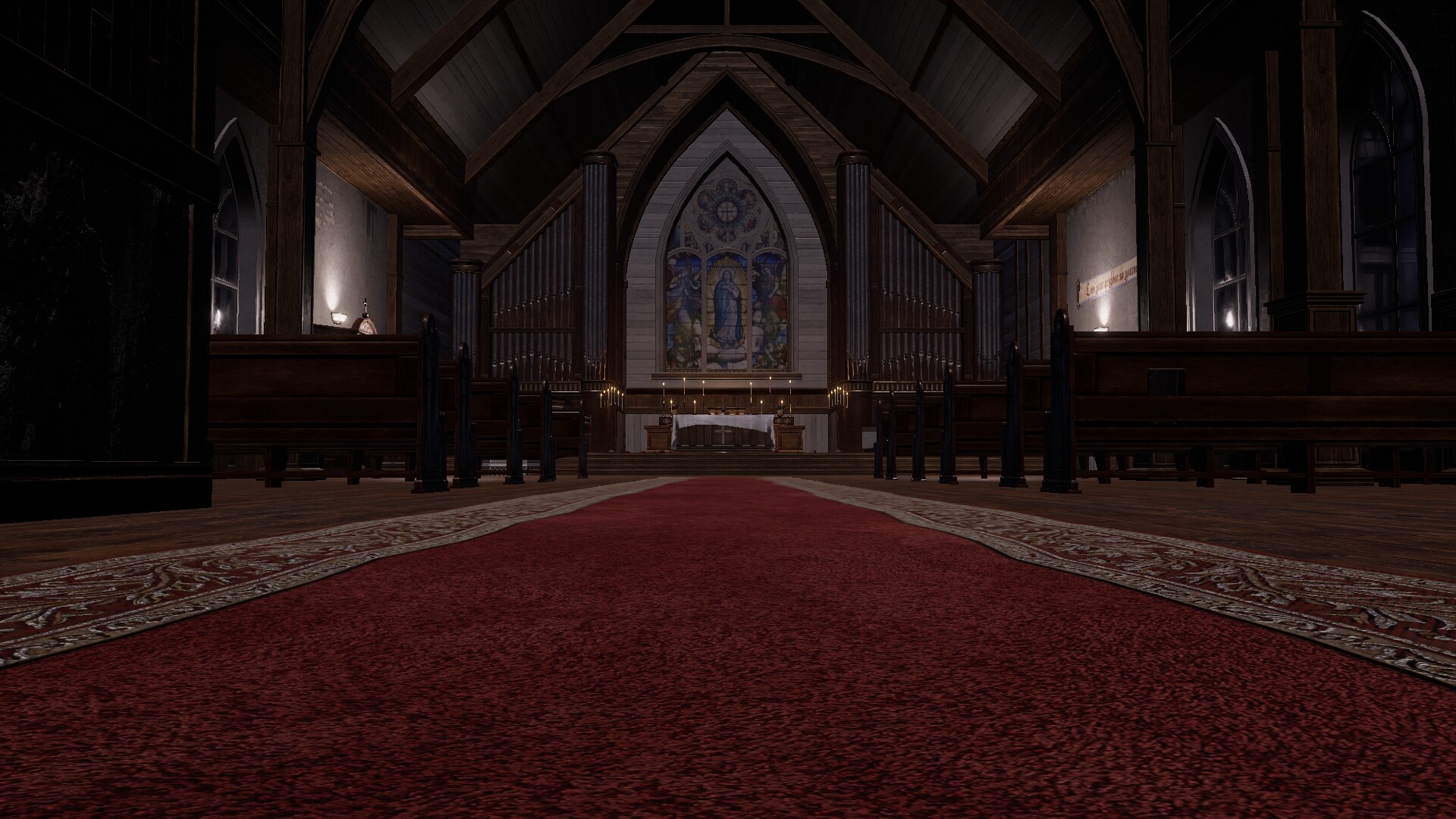

How you progress: reading clues, object logic, and story puzzles
The Steam description makes the progression explicit: investigation yields manifests and hints; restoring power and accessing secured systems reveal encrypted fragments and suspicious transfers. That means progress is less about abstract pattern recognition and more about interpreting material evidence—manifests, secured records, and hidden compartments—so players must align object logic (what an item implies) with narrative logic (what the item changes about the timeline or the people involved). Expect puzzles that unlock additional documentary fragments that retroactively alter your read of earlier spaces and objects.
Compact facts — Trace of the Villa
| Title | Trace of the Villa |
|---|---|
| Steam appid | 3483660 |
| Release date | 28 May, 2026 |
| Developer / Publisher | Steadyturtle Co., Ltd. |
| Genres | Action, Adventure, Indie |
| Categories / Accessibility | Single-player; Color Alternatives; Custom Volume Controls; Playable without Timed Input; Subtitle Options; Family Sharing |
| Short premise (official) | Jin has spent years searching for his missing sister, pursuing leads that took him to a remote, decaying mansion where he recovered manifests and hints that indicate his sister may still be alive, somewhere at the end of the trail he is about to follow. |
Who should wishlist it (specific player scenarios)
- Single-player detective: you enjoy cataloguing clues, tracing paperwork and watching a narrative reconfigure as documents fall into place.
- Atmospheric explorer: you prize environmental storytelling—rooms staged as if abandoned mid-routine—and want a slow-burn tone that rewards patience.
- Accessible puzzler: you need options like subtitles and non-timed puzzles so you can focus on interpretation over stress.
- Genre crossover player: you like mystery-adventure games with an investigative spine rather than pure escape-room puzzles or arcade action.
How it compares (editorial discovery)
Below is a concise editorial comparison that focuses on genre, puzzle focus, atmosphere and player fit. These are meant to help you decide whether Trace of the Villa aligns with your tastes.
| Title | Year | Genre / Focus | Puzzle style | Atmosphere / Pacing | Player fit |
|---|---|---|---|---|---|
| Trace of the Villa | 2026 | Action, Adventure, Indie — investigative mansion mystery | Clue-driven objects, encrypted fragments, evidence that updates narrative | Slow-burn, forensic, environmental storytelling | Players who want puzzles that function as narrative evidence |
| The Room | 2014 | Adventure, Indie | Mechanical puzzle boxes and tactile object manipulation | Mysterious, intimate puzzle-focused pacing | Players who like tactile, self-contained puzzles |
| The Room Two | 2016 | Adventure, Indie | Progressive puzzle boxes with an immersive narrative thread | Broader exploration but still puzzle-centric | Those who appreciated the first title and want extended mystery |
| Escape Simulator | 2021 | Adventure, Casual, Indie — high interactivity, escape rooms | Highly interactive object puzzles and community-made rooms | Variable—fast in escape-room scenarios, design-driven | Players who like physical interactivity and short-room puzzles |
| Unpacking | 2021 | Casual, Indie, Simulation | Fitting and placement puzzles that reveal life-story details | Zen, reflective, episodic pacing | Players who prefer character-driven environmental narrative through objects |
| hack_me | 2017 | Indie, Simulation | Hacker-simulator mechanics (cmd, bruteforce, SQL-like tasks) | Simulator tone focused on technical problem-solving | Players who want simulation-style hacking puzzles rather than mansion investigation |
YouTube discovery
If you want to see trailers or gameplay, use this YouTube search (may include fan or official videos): Trace of the Villa trailer & gameplay search.
View Trace of the Villa on Steam
Disclaimer: referenced titles and trademarks belong to their respective owners; comparisons above are editorial discovery only, based on genre, atmosphere, puzzle focus, exploration style, story tone and pacing as presented in public store pages and developer descriptions.
Leave a Reply