
Trace of the Villa: why quiet tension and uncertainty beat cheap shocks
Trace of the Villa trades jump-scare grabs for an accumulating, claustrophobic unease: a decaying mansion where rooms feel “erased” and identities are conspicuously missing. That slow pressure—unexplained spaces, missing names and falsified records—makes the psychological tension here more memorable than any single startled moment.

Who this is for
Players who prefer slow-burn suspense and investigative pacing over visceral horror will find Trace of the Villa appealing. If you enjoy atmospheric mystery adventure games that reward careful observation—environmental storytelling, deciphering manifests, and following forensic trails—you’re the target audience. The game’s single-player, story-rich focus and subtitle options make it accessible to those who want to pore over clues without frantic timed inputs.
What the game is
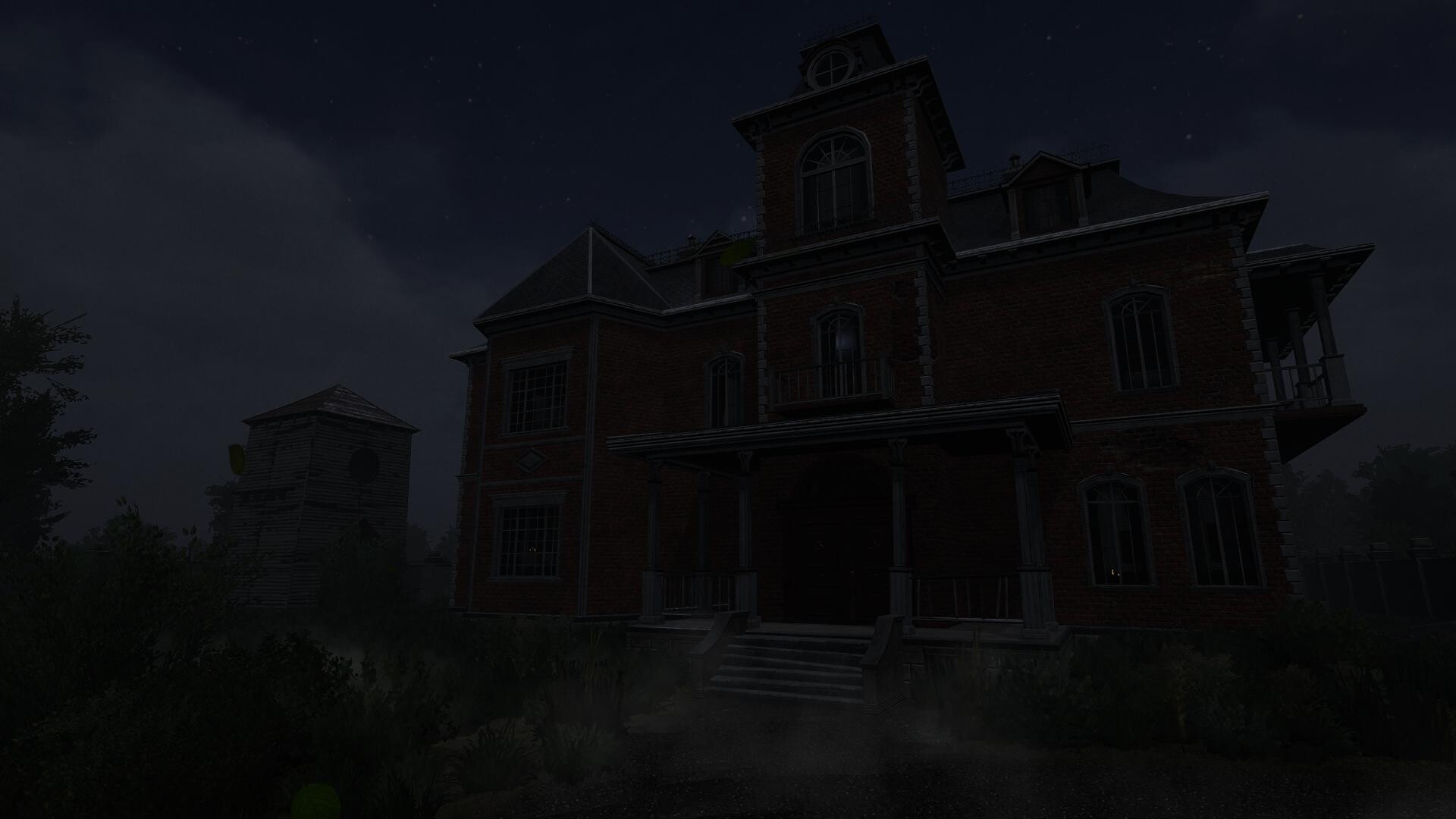
Trace of the Villa casts you as Jin, who has spent years searching for his missing sister. According to the Steam page, Jin follows leads to a remote, decaying mansion where manifests and hidden records hint that his sister may still be alive somewhere down the trail. The mansion reads less like an abandoned house and more like a place intentionally scrubbed of identity: furnished rooms with no photographs, locked doors, encrypted documents, and suspicious transfer records that suggest a controlled operation rather than ordinary occupancy. Developer and publisher: Steadyturtle Co., Ltd.
Facts at a glance
| Title | Trace of the Villa |
|---|---|
| Steam AppID | 3483660 |
| Release date | 28 May, 2026 |
| Developer / Publisher | Steadyturtle Co., Ltd. |
| Genres | Action, Adventure, Indie |
| Key categories | Single-player; Color Alternatives; Custom Volume Controls; Playable without Timed Input; Subtitle Options; Family Sharing |
| Official Steam page | Open on Steam |

When and where
Trace of the Villa launched on Steam on 28 May, 2026. The Steam store listing includes subtitle options and accessibility-oriented features (color alternatives, custom volume controls), and it’s presented as a single-player PC experience. The Steam page also provides the official visuals and descriptions that form the basis for this editorial overview.
Why the theme matters: unexplained spaces and identity erasure
Psychological horror prospers when the unknown is allowed to linger. Trace of the Villa leans into that by making the mansion itself a puzzle of absence: no photographs, falsified paperwork, encrypted transfers and manifests that point to people who entered and left without official trace. That erasure is terrifying for a different reason than a loud scare—it taps into a slow-building cognitive dissonance. You recognize domestic cues (a set table, a child’s toy, a folded coat) yet the people those objects should anchor have been scrubbed from history. The result is an atmosphere that keeps you on edge long after you step away from the screen.
How you play and progress
Gameplay, as described in the Steam listing, centers on exploration and clue-driven investigation. Jin restores power, reactivates systems, unlocks hidden compartments and safes, and pieces together encrypted documents and manifests. Progression is puzzle- and discovery-led rather than reaction-based: reading records, reconstructing timelines, and following financial and logistical trails that lead to new areas and revelations. The “playable without timed input” category on Steam reinforces the paced, investigative approach rather than twitch-based survival.
Comparison: where Trace of the Villa sits among atmospheric mystery and psychological horror
| Title | Release | Core genre / feel | Puzzle & exploration focus | Atmosphere & pacing | Player fit |
|---|---|---|---|---|---|
| Trace of the Villa | 28 May, 2026 | Action / Adventure / Indie — mansion mystery | Clue-driven: manifests, encrypted docs, restoring systems | Slow-burn, investigative, identity-erasure tension | Players who prefer narrative puzzles and environmental storytelling over jump scares |
| Amnesia: The Dark Descent | 8 Sep, 2010 | Action / Adventure / Indie — survival psychological horror | Puzzle-lite; emphasis on survival mechanics and atmosphere | Immersion-first, oppressive dread, more direct fear mechanics | Those who want dread and vulnerability mechanics with strong immersion |
| SOMA | 21 Sep, 2015 | Action / Adventure / Indie — sci-fi psychological horror | Puzzle and narrative investigation in a contained setting | Philosophical, melancholic, and existential pacing | Players who like narrative horror that questions identity and existence |
| Layers of Fear (2016) | 15 Feb, 2016 | Adventure / Indie — first-person psychological horror | Environmental puzzles; shifting architecture as storytelling | Unnerving, hall-of-mirrors pacing focused on mental unraveling | Fans of surreal, artistically driven mansion exploration |
| Poppy Playtime | 12 Oct, 2021 | Action / Adventure / Indie — puzzle-horror with collectible tools | Gadget-based puzzles and stealth elements | More immediate, gamey scares with puzzle set-pieces | Players who want puzzle mechanics plus tense encounters |
Player scenarios: who should wishlist it (and who might skip)
- Wishlist: You like slow-burn mansion mysteries where the primary threat is cognitive—missing identities, falsified records, and layered revelations rather than constant enemy pressure.
- Wishlist: You prioritize exploration, environmental storytelling, and narrative puzzle design over timed reaction challenges; the Steam page notes the game is playable without timed input.
- Consider skipping: You want adrenaline-heavy survival mechanics, frequent combat, or tightly timed encounters—Trace of the Villa leans into investigation and atmospheric suspense instead.
- Accessibility note: The Steam listing includes color alternatives, custom volume controls, and subtitle options to support
YouTube discovery
For trailer and gameplay discovery, use YouTube search rather than relying on unverified embeds: Find Trace of the Villa trailer and gameplay searches on YouTube.
Leave a Reply