Trace of the Villa — a clue-driven mansion mystery that asks you to read the space, not just follow the story
Trace of the Villa puts you in Jin’s shoes: years of searching for a missing sister lead to a remote, decaying mansion where manifests and hints suggest she might still be alive. The game prioritizes environmental storytelling and slow-burn investigative design — the kind of mystery that asks players to assemble meaning from rooms, records, and flickers of restored power.

Quick facts
| Title | Trace of the Villa |
|---|---|
| Release date | 28 May, 2026 |
| Developer / Publisher | Steadyturtle Co., Ltd. |
| Genres | Action, Adventure, Indie |
| Key Steam categories | Single-player; Color Alternatives; Custom Volume Controls; Playable without Timed Input; Subtitle Options; Family Sharing |
| Steam app | 3483660 |
Who should wishlist this
If you favor story-first mystery design — atmospheric mystery adventure fans who prefer piecing together a fragmented past over explicit exposition — Trace of the Villa looks aimed at you. Players who value:
- Environmental storytelling and clue-driven exploration over constant dialogue;
- Slow-burn suspense and psychological investigation rather than jump-scare horror;
- Puzzles that unlock systems or documents (power, safes, encrypted fragments) that alter how you read the mansion.
What the game is — the official premise
From the Steam page: “Jin has spent years searching for his missing sister, pursuing leads that took him to a remote, decaying mansion where he recovered manifests and hints that indicate his sister may still be alive, somewhere at the end of the trail he is about to follow.” The estate reads like a deliberately forgotten property: furnished rooms where occupants appear to have vanished mid-routine, locked doors and secured systems that, once restored, reveal encrypted documents, suspicious transfer records, and falsified identities. The investigation shifts from routine to personal as trace evidence points to a larger, concealed operation.
When and where — Steam / PC context
Trace of the Villa released on 28 May, 2026 and is distributed on Steam. The Steam store lists the developer and publisher as Steadyturtle Co., Ltd., and shows the title under Action / Adventure / Indie categories with single-player and accessibility options such as subtitles and color alternatives.
Why the theme matters — identity, erasure, and what a space remembers
The mansion-as-memory motif matters because it turns architecture into narrative evidence. Rooms “erased” of names and photographs make players treat objects as testimonies: a ledger entry, a power board that only powers when you restore the grid, a safe that yields fragments. Those design choices push the player to infer motives and timelines rather than be fed them. That creates a specific type of curiosity — you aren’t just solving puzzles, you’re reconstructing people.
How you uncover meaning — mechanics and investigative flow (what the Steam page shows)
The official description highlights mechanic-driven discovery: restoring power brings systems back online, hidden compartments unlock, safes yield encrypted documents and suspicious transfer records. Progression is therefore layered: technical restoration (power, systems), forensic discovery (documents and manifests), then pattern recognition (falsified identities, financial trails). Expect a mix of environmental puzzles and document reading that require cross-referencing fragments to build a timeline.

Player scenarios — how the game will feel depending on what you like
- You like slow, text-and-object-led revelations: You’ll enjoy piecing together fragmented documents and using restored systems to reveal new spaces. Expect methodical pacing.
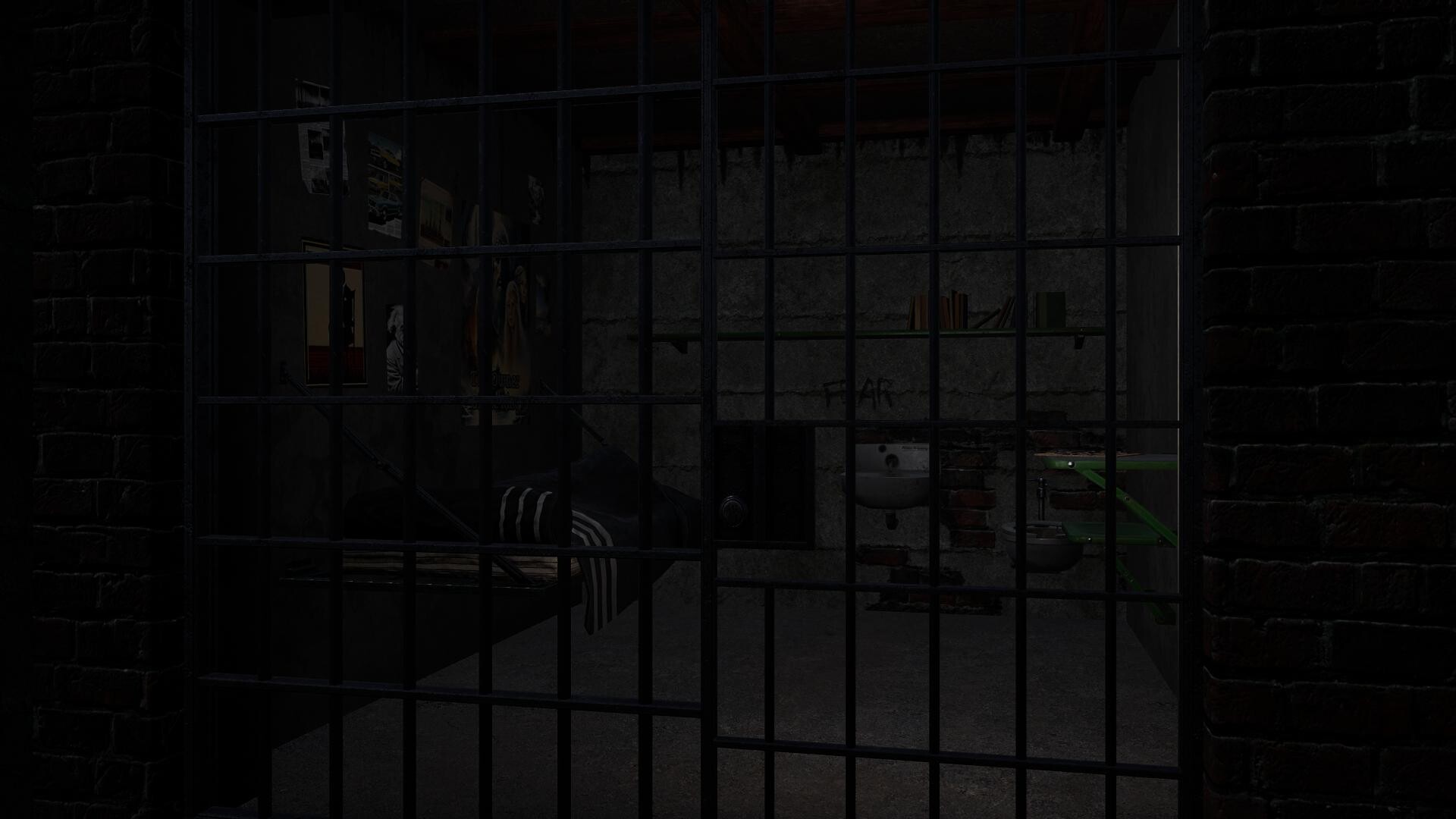
- You prefer atmospheric, claustrophobic locations: The mansion’s deliberate “erasure” of identity creates a suffocating, intimate atmosphere where every object gets scrutiny.
- You want puzzles with tangible systems consequences: Restoring power or unlocking safes changes how the environment behaves; your actions reveal new information rather than only opening doors.
- You like a stronger action element: While the Steam tags include Action and Adventure, the emphasis in the official description is on investigation and system restoration — players wanting relentless combat should check more footage or hands-on impressions before committing.
How it compares — nearby narrative mystery and puzzle games
Below is a compact editorial comparison focusing on genre, atmosphere, puzzle focus, exploration style, story tone, and the player each title tends to fit.
| Title | Genre / Atmosphere | Puzzle focus | Exploration style | Story tone / Pacing | Player fit |
|---|---|---|---|---|---|
| Trace of the Villa | Action / Adventure / Indie — mansion mystery, psychological investigation | Document fragments, system restoration, safes/encrypted records | Contained estate; room-by-room reading of space | Slow-burn investigative; personal and forensic | Players who like environmental storytelling and clue-driven progress |
| Inscryption | Adventure / Indie — dark, card-based, sinister | Escape-room elements blended with card mechanics and meta-puzzles | Layered, meta-structural exploration across game modes | Psychological, unsettling; reveals through mechanic subversion | Players who enjoy mechanic-led mystery and meta-narrative surprises |
| Outer Wilds | Action / Adventure — open-world, cosmic mystery | Puzzle discovery centered on physics, time loops, observation | Open solar system exploration; freeform discovery | Slow, contemplative; puzzle revelations change your understanding of the world | Explorers who love nonlinear discovery and piecing a larger timeline |
| Journey | Adventure / Indie — elegiac, wordless exploration | Environmental puzzles centered on traversal and atmosphere | Linear but open-feeling traversal across landscapes | Quiet, emotional, meditative | Players seeking mood, visual storytelling, and small mechanical arcs |
| The Forgotten City | Adventure / Indie / RPG — narrative-driven mystery with time mechanics | Dialogue and consequence puzzles, moral decision-solving | Central hub with repeated time-loop exploration | Curiosity-driven, narrative weight with branching outcomes | Players who want narrative stakes and systemic puzzle solutions |
| The Medium | Adventure — psychological horror, dual-reality exploration | Puzzles using parallel real/world spirit-realm mechanics | Corridor and site-based exploration with parallel-reality reveals | Psychological and atmospheric; suspenseful pacing | Players who prefer a horror-tinged investigation with dual-world design |
YouTube discovery
If you want to see trailers or gameplay, search YouTube for Trace of the Villa trailers and gameplay footage here: View Trace of the Villa on Steam
YouTube discovery
For trailer and gameplay discovery, use YouTube search rather than relying on unverified embeds: Find Trace of the Villa trailer and gameplay searches on YouTube.
Leave a Reply