
Trace of the Villa — a slow-burn, clue-driven mansion mystery built around a personal search
Trace of the Villa drops you into a decaying, off-grid mansion as Jin, a man following scattered manifests and hints that his missing sister might still be alive. Released 28 May, 2026 by Steadyturtle Co., Ltd., the game pairs atmospheric exploration with investigative puzzle beats that reveal a deliberately erased past.

Who, what, when, where, why, how
Who is it for?
If you prefer story-first mystery design—slow-burn suspense, environmental storytelling, and puzzle moments that read like forensic footnotes—this is aimed at players who want to piece meaning together from fragments rather than follow a handed narrative. Fans of narrative puzzle adventures and atmospheric mystery adventures on PC should pay attention.
What is Trace of the Villa?
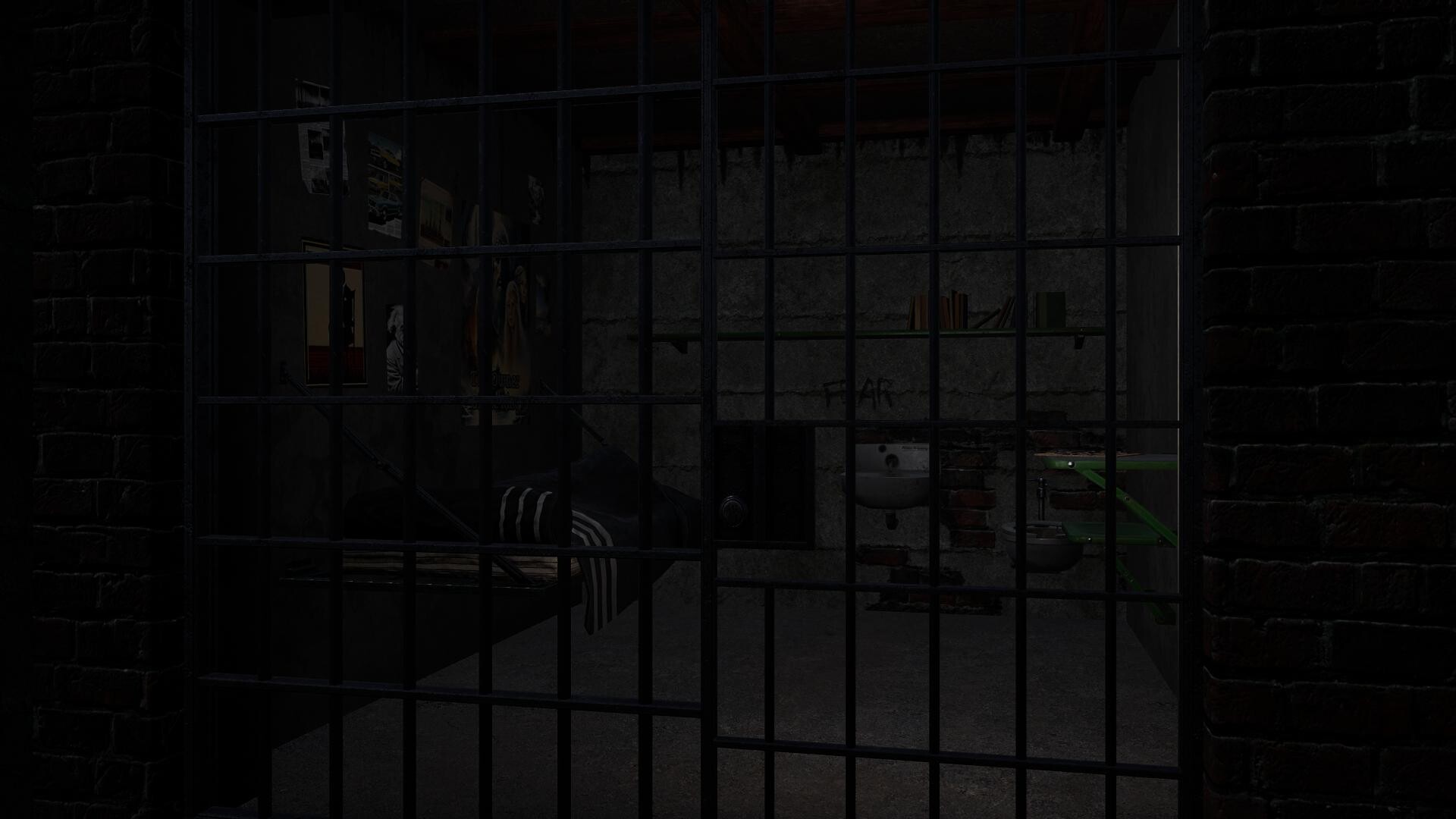
Officially described on Steam, “Jin has spent years searching for his missing sister, pursuing leads that took him to a remote, decaying mansion where he recovered manifests and hints that indicate his sister may still be alive, somewhere at the end of the trail he is about to follow.” The mansion feels “less abandoned than erased”: furnished rooms, locked doors, safes, encrypted documents and suspicious transfer records form the investigative kernel.
When and where is it available?
Trace of the Villa launched on Steam on 28 May, 2026 and is published and developed by Steadyturtle Co., Ltd. It appears on Steam as a single-player Action / Adventure / Indie title with accessibility options like subtitles, color alternatives, custom volume controls, and the ability to play without timed input.
Why does this theme matter?
The game’s premise—an erased history inside a mansion—works because it makes every object a possible clue. That removal of names and photographs turns ordinary set dressing into a narrative itch: you want to know who slept there, who disappeared, and why systems were deliberately shut down. For anyone drawn to psychological investigation and atmospheric mystery adventure, the emotional throughline (a sibling searching for answers) gives stakes to otherwise forensic exploration.
How you uncover meaning
According to the Steam description, the house literally begins to reveal itself when Jin restores power: secured systems come back online, hidden compartments unlock, and safes yield fragments of encrypted documents. Progress is clue-driven—solve puzzles, decrypt or piece together documents, follow financial trails and manifests—and each solved puzzle reveals another layer of a concealed operation rather than a single neat answer.

Compact facts
| Title | Trace of the Villa |
|---|---|
| Steam AppID | 3483660 |
| Release date | 28 May, 2026 |
| Developer / Publisher | Steadyturtle Co., Ltd. |
| Genres | Action, Adventure, Indie |
| Key categories | Single-player; Color Alternatives; Custom Volume Controls; Playable without Timed Input; Subtitle Options; Family Sharing |
| Steam page | Trace of the Villa on Steam |
| Steam user reviews | No user reviews at time of publishing |
Who should wishlist it — four player scenarios
1) The forensic explorer
You enjoy piecing together narrative through found documents, encrypted fragments, and environmental detail. If you prefer story discovery that rewards observation over combat mastery, Trace of the Villa’s reveal-on-restoring-power conceit will be appealing.
2) The slow-burn thriller fan
If you like slow pacing that builds tension through atmosphere and implication rather than jump scares, this is a better fit than action-horror. The central relationship—Jin’s search for his sister—gives emotional weight to each recovered clue.
3) The puzzle-minded detective
Players who like puzzles that are narrative tools—not just obstacles—will find the safes, encrypted documents, and secured systems satisfyingly contextualized. Expect problems solved to mean plot advancement, not only gates opened.
4) The accessibility-conscious player
Steam categories include subtitle options, color alternatives, custom volume controls, and the ability to play without timed input—helpful for players who need or prefer a less reflex-driven experience.
How it compares — editorial discovery table
Below is a concise comparison on lawful editorial criteria: genre, atmosphere, puzzle focus, exploration style, and pacing. This is to help you decide which title fits your preferred mystery experience.
| Title | Genre / Tone | Puzzle focus | Exploration style | Pacing |
|---|---|---|---|---|
| Trace of the Villa | Action / Adventure / Indie — atmospheric mansion mystery | Document forensics, safes, encrypted fragments; clue-driven | Focused mansion exploration; systems reactivated to reveal layers | Slow-burn, investigative |
| Inscryption | Adventure / Indie / Strategy — inky, psychological card-based horror | Puzzle-like card mechanics with meta secrets | Room-scale, escape-room and card-table hybrid | Often tense, emergent reveals |
| Outer Wilds | Action / Adventure — open-world cosmic mystery | Environmental puzzles tied to physics and systems | Open, solar-system scale exploration | Curiosity-driven, exploratory pacing |
| The Forgotten City | Adventure / Indie / RPG — time-loop, narrative puzzle | Dialogue and consequence-driven puzzles, systemic solutions | Structured area exploration with repeatable loops | Paced around investigative loops and moral choices |
| The Medium | Adventure — psychological horror with dual-reality exploration | Puzzles that exploit dual-reality mechanics | Linear yet layered environments with real/otherworld reading | Incremental reveals with psychological tension |
Practical reading tips for players
YouTube discovery
For trailer and gameplay discovery, use YouTube search rather than relying on unverified embeds: Find Trace of the Villa trailer and gameplay searches on YouTube.
Leave a Reply