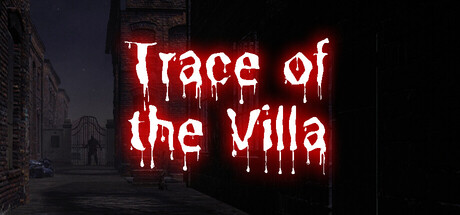
Trace of the Villa — a slow-burn mansion mystery about erased lives
Trace of the Villa places you in the shoes of Jin, a man who has spent years searching for his missing sister and follows a cold lead to a decaying, off-the-grid mansion that seems deliberately forgotten. The game promises a story-first, clue-driven investigation: restored power, encrypted documents, and rooms that look like people vanished mid-routine all point toward a layered mystery the player must read from environment and fragments.

Who: who should keep an eye on this one
Trace of the Villa (developer/publisher: Steadyturtle Co., Ltd., release date: 28 May, 2026) is aimed at players who prefer a story-first mystery design over fast action. If you enjoy atmospheric mystery adventure and psychological investigation where the primary reward is piecing together meaning from clues, this one is for you. It will appeal to players who like slow-burn suspense, environmental storytelling, and puzzle design that reveals narrative—rather than spectacle-driven combat or arcade pacing.
What: the core premise and tone
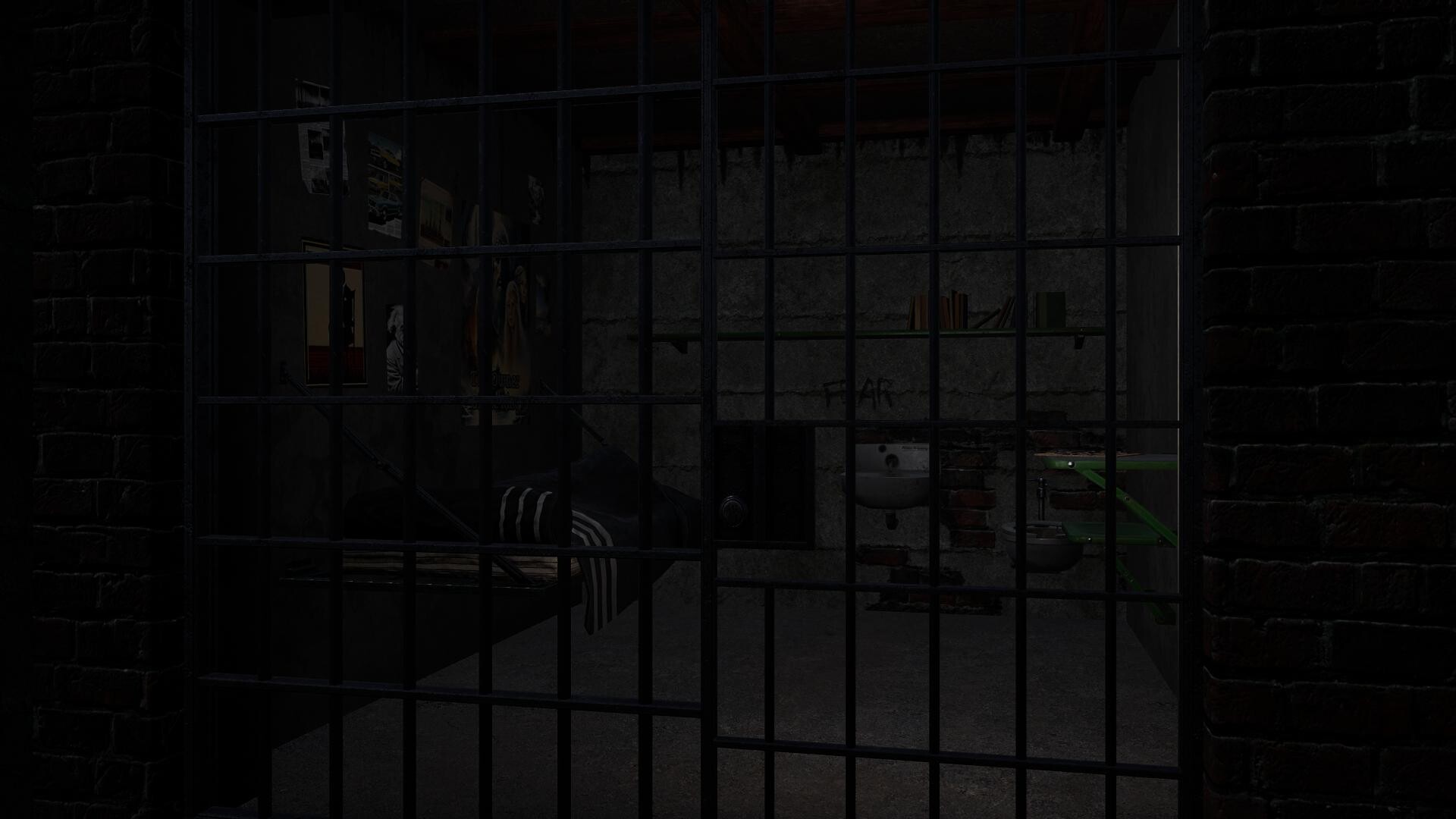
Officially described on Steam as an Action/Adventure Indie, the game opens with Jin arriving at “a decaying mansion… cut off from the grid and deliberately forgotten.” Rooms are preserved as if occupants vanished mid-routine; names, photographs, and clear identities have been removed. When Jin restores power, secured systems and hidden compartments start to yield manifests, encrypted documents, and suspicious transfer records that suggest the house was part of a larger, tightly controlled operation.

When & where: Steam details
| Title | Trace of the Villa |
|---|---|
| Steam AppID | 3483660 |
| Release date | 28 May, 2026 |
| Developer / Publisher | Steadyturtle Co., Ltd. |
| Genres / Categories | Action, Adventure, Indie — Single-player; Color Alternatives; Custom Volume Controls; Playable without Timed Input; Subtitle Options; Family Sharing |
| Store page | Trace of the Villa on Steam |
Why the theme matters: erased identity and institutional secrecy
The official description frames the mansion as less a home than an instrument: identities removed, arrivals without records, departures without witnesses. That thematic focus—people treated like transactions, documentation erased—creates a specific kind of mystery. The emotional stakes are personal (Jin’s missing sister) while the structural mystery suggests organized concealment. For players who care about tone and implication, the game appears designed to make you infer the human cost from small, quiet evidence rather than explicit exposition.
How you uncover meaning: design signals and player agency
According to the Steam description, discovery in Trace of the Villa is procedural and tactile: restoring power to the estate unlocks systems, hidden compartments, and safes that yield fragments—manifests, encrypted documents, suspicious transfer records. The narrative puzzle design appears to rely on a chain of clue-driven exploration. Expect environmental storytelling where objects, data fragments, and turned-on systems rearrange what you know and prompt you to re-read previous spaces. That style favors patient, methodical players who enjoy reconstructing timelines and decoding partial evidence.
Player scenarios: who should wishlist this now
- The investigative minimalist: You prefer a slow, quiet pace and the emotional payoff of connecting small, meaningful details into a larger truth.
- The puzzle-first detective: You want puzzles that exist to reveal story—safes, encrypted files, locked systems—rather than abstract logic tests divorced from narrative.
- The environmental storyteller: You read character through space: a table set, a room preserved, objects arranged; those sensory breadcrumbs are your language.
- The mansion-mystery fan: If you enjoy games where home architecture and domestic objects become evidence, this fits a similar appetite but with an explicitly erased-identity angle.
How it compares — short editorial table
| Title | Genre / Primary Focus | Atmosphere / Story Tone | Puzzle vs Exploration | Pacing / Player Fit |
|---|---|---|---|---|
| Trace of the Villa | Action, Adventure, Indie — clue-driven investigation | Mansion mystery, erased identities, procedural revelations | Environmental puzzles that unlock narrative fragments | Slow-burn; for players who prioritize reading clues and context |
| Inscryption | Adventure / Strategy — card-based, meta-horror | Inky, psychological, layered metafiction | Puzzles folded into card mechanics and escape-room moments | Dense, surprises and tonal shifts—for players who like genre subversion |
| Outer Wilds | Action / Adventure — open-world mystery | Curious, cosmic, exploratory | Exploration-first; clues are astronomical and systemic | Unhurried discovery across a solar system; for explorers |
| The Forgotten City | Adventure / Narrative mystery — time-loop moral puzzle | Philosophical, investigative, rooted in dialogue and consequence | Puzzle design is conversational and systemic | Paced around repetition and experimentation |
| The Medium | Adventure — psychological horror, dual-reality exploration | Dark, reflective, supernatural undertones | Layered exploration across two realities; narrative puzzle moments | Story-focused, atmospheric; for players drawn to psychological weight |
YouTube discovery
If you want to see trailers or gameplay clips, search YouTube for Trace of the Villa here: Trace of the Villa trailer & gameplay. This link is a discovery path; specific videos should be verified as official if you need confirmation.
Steam store link: https://store.steampowered.com/app/3483660/Trace_of_the_Villa/
Disclaimer: referenced titles and trademarks belong to their respective owners. Comparisons above are editorial discovery only and not endorsements or claims of partnership.
Leave a Reply