
Trace of the Villa — a story‑first mystery about erased lives
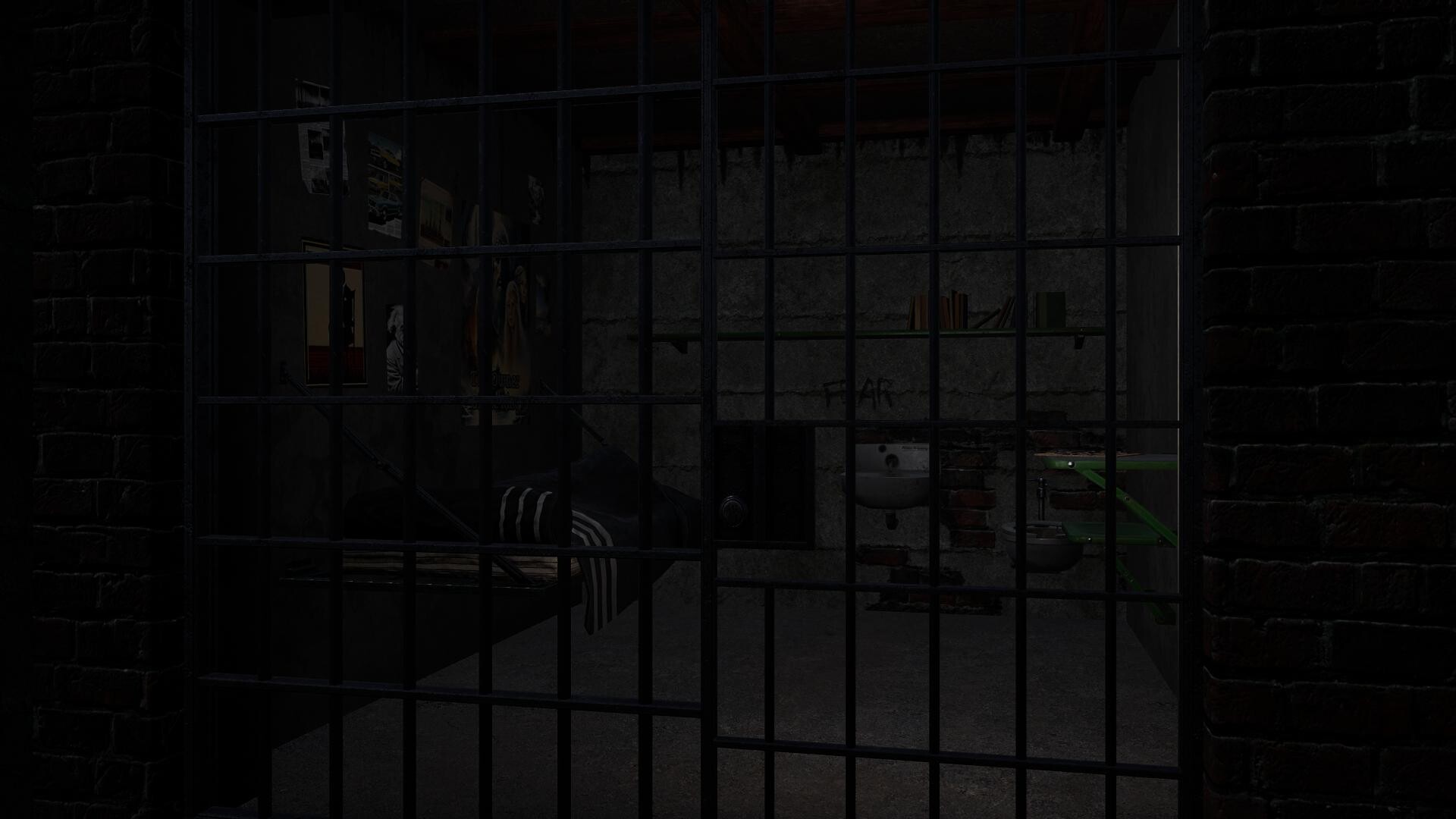
Trace of the Villa (Steadyturtle Co., Ltd.) places you in the shoes of Jin, a seeker whose search for a missing sister leads to a remote, decaying mansion full of manifests, encrypted fragments, and rooms that look as if occupants vanished mid‑routine. The design leans on atmospheric mystery, environmental storytelling, and clue‑driven exploration: players restore systems, unlock hidden compartments, and piece together a timeline that suggests this was never a normal residence.

Quick facts
| Title | Trace of the Villa |
|---|---|
| Developer / Publisher | Steadyturtle Co., Ltd. |
| Release date | 28 May, 2026 |
| Steam AppID | 3483660 |
| Genres | Action, Adventure, Indie |
| Key categories | Single‑player; Color Alternatives; Custom Volume Controls; Playable without Timed Input; Subtitle Options; Family Sharing |
Who is this for?
If you prize narrative curiosity over on‑rails exposition, Trace of the Villa is aimed at players who want to assemble meaning from fragments. This includes:
- Investigation players who enjoy reading manifests, logs, and encrypted documents to reconstruct events.
- Fans of slow‑burn mansion mysteries and environmental storytelling rather than loud setpieces.
- Those who appreciate adjustable accessibility options (color alternatives, custom volume, subtitle options) and a single‑player, PC‑centric experience.
What the game is (and what it asks you to do)
Official materials describe Jin following a lead to a property “cut off from the grid” where traces of past occupancy are “deeply unsettling.” As power is restored, secured systems and hidden compartments reveal encrypted documents, suspicious transfers, and falsified identities. The core loop is investigative: locate clues, restore systems, solve puzzles, and use those discoveries to push the timeline forward.
When and where
Trace of the Villa launched on Steam on 28 May, 2026. The Steam page lists Steadyturtle Co., Ltd. as both developer and publisher and tags the project under Action, Adventure, and Indie. The store page also flags accessibility categories like Playable without Timed Input and Subtitle Options.
Why the theme matters
That the house feels “less abandoned than erased” is the game’s conceptual hook. A mystery that centers on missing identities reframes ordinary objects as potential testimony: a drawer without photographs, a ledger with gaps, a locked safe that yields fragments. For players interested in narrative design, that approach turns environmental detail into the principal narrator—every restored circuit and decrypted manifest is evidence, not exposition.
How you uncover meaning (game systems and player reading)
The official description highlights a few concrete beats: restoring power, unlocking hidden compartments, and decrypting document fragments. Expect progression to be driven by layered discovery rather than cutscenes—systems coming back online reveal new interactions, and solved puzzles open access to the next set of clues. The experience leans on careful observation and context assembly: you interpret physical scenes, corroborate them with found papers, and gradually assemble a timeline that suggests wider operations (arrivals without records, departures without witnesses).

Player scenarios — when to play this
- Long evening play: Sit with it when you can read and re‑read documents; the narrative rewards patient note‑taking and a methodical pace.
- Investigator session: If you enjoy pausing to cross‑reference clues, this fits a detective mindset more than twitch reflex play.
- Accessibility‑friendly session: Options like custom volume and subtitle settings make it suitable for players who need a controlled, adjustable experience.
How it compares (editorial discovery)
Below is a targeted comparison on lawful editorial criteria—genre, atmosphere, puzzle focus, exploration style, story tone, and pacing—so you can decide fit rather than rank.
| Title | Genre / Core mechanics | Atmosphere & Pacing | Puzzle / Exploration Focus | Story Tone |
|---|---|---|---|---|
| Trace of the Villa | Action / Adventure / Indie — investigative exploration, system restoration | Slow‑burn, mansion mystery; quiet, suffocating silence | Clue‑driven; document analysis, hidden compartments, encrypted fragments | Personal search with institutional traces; identity erasure themes |
| Inscryption | Adventure / Indie / Strategy — card‑based deckbuilding with meta layers | Dark, claustrophobic, psychological | Puzzle elements mixed with deck mechanics and escape‑room‑like challenges | Metafictional, unsettling; secrets revealed across systems |
| Outer Wilds | Action / Adventure — open exploration, time loop mystery | Curious, exploratory; medium‑paced with emergent discovery | Environmental puzzles across a solar system; learning by observation | Cosmic mystery; discovery and consequence-focused |
Leave a Reply