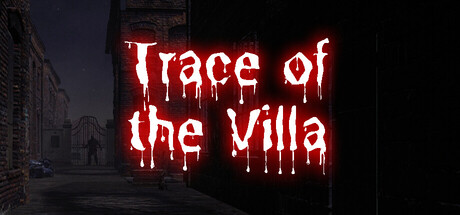
Trace of the Villa — a slow-burn, clue-driven mansion mystery
Trace of the Villa puts you in Jin’s shoes: a lone investigator following a trail of manifests and encrypted fragments into a remote, deliberately forgotten mansion. The Steam release (28 May, 2026) pitches atmospheric exploration and narrative puzzle design against a backdrop of erased identities and sealed systems.

Quick facts
| Title | Trace of the Villa |
|---|---|
| Developer / Publisher | Steadyturtle Co., Ltd. |
| Release date | 28 May, 2026 |
| Genres | Action, Adventure, Indie |
| Steam categories | Single-player; Color Alternatives; Custom Volume Controls; Playable without Timed Input; Subtitle Options; Family Sharing |
| Steam page | Trace of the Villa on Steam |
Who is this for?
Trace of the Villa suits players who prize story-first mystery design over action spectacle. If you prefer slow-burn suspense, environmental storytelling, and clue-driven exploration—those players who enjoy piecing together a fractured timeline and reconstructing motives from fragments—this is aimed at you. The Steam categories (single-player, playable without timed input, subtitle options, color alternatives) also signal it’s accessible to players who want a measured, deliberate investigation pace.
What the game is (and how it tells its story)
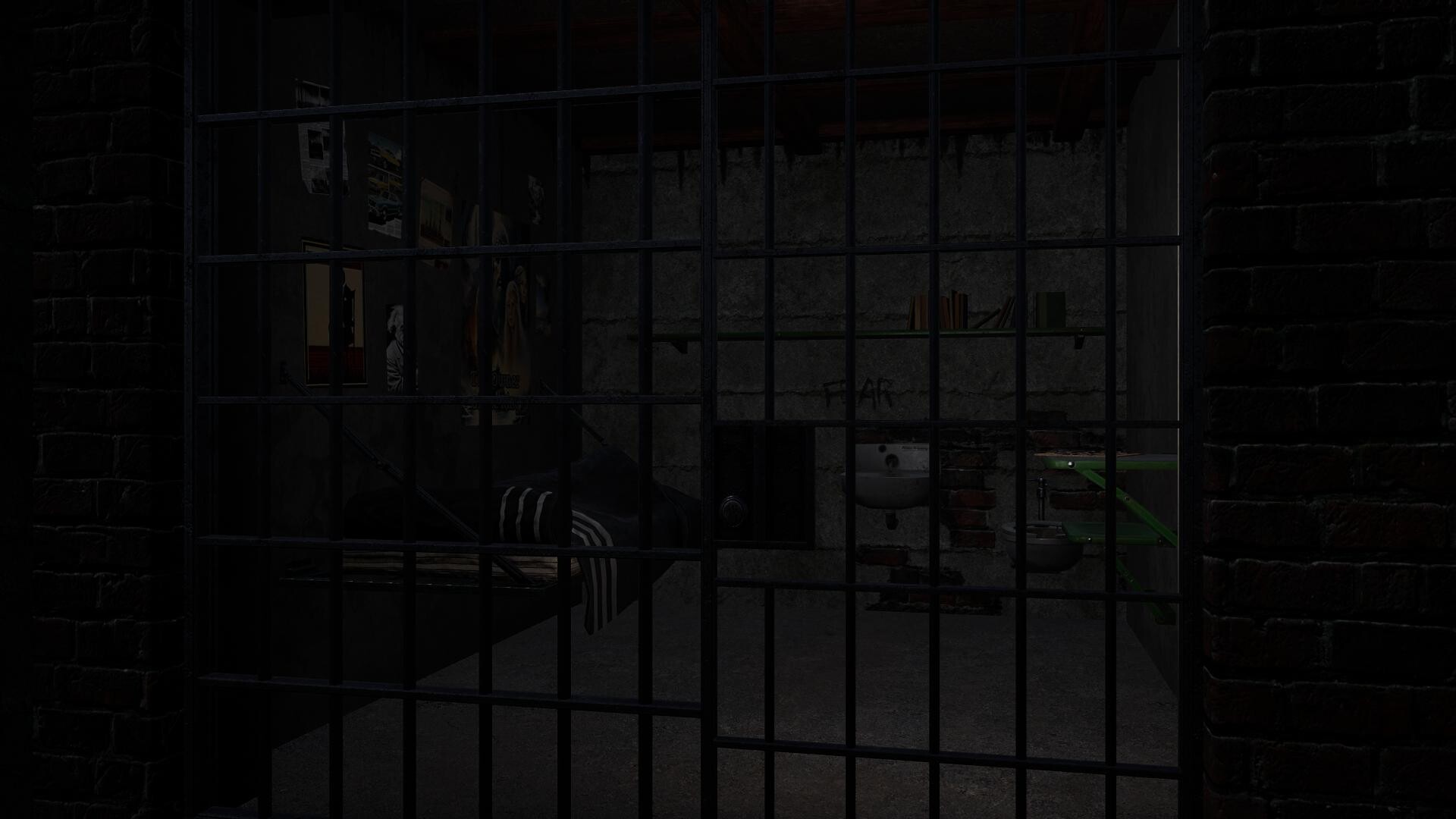
Official Steam text sets the premise plainly: Jin has been searching for his missing sister for years, and a lead brings him to a decaying mansion with no recent records and the sense that identities have been erased. Inside, rooms appear frozen in mid-routine and locked doors hide secured secrets. When Jin restores power, secured systems come back online and hidden compartments yield encrypted documents and suspicious transfer records — narrative beats that move investigation forward through discovery rather than exposition.

When and where
Trace of the Villa released on Steam on 28 May, 2026. It’s listed for PC via its Steam storefront page; the developer and publisher are Steadyturtle Co., Ltd.
Why the theme matters
Erasure of identity and institutional concealment are the game’s narrative hooks: furniture and personal effects remain, but photographs and names are gone. That design choice reframes ordinary exploration as forensic work. Players aren’t simply reading notes; they’re reconstructing lives from absences. That approach rewards patience and a close eye for environmental detail, and it gives the story an investigative texture more akin to a mystery novel than a run-and-gun thriller.
How you uncover meaning — the player loop
- Search and observe: rooms are staged as if abandoned mid-routine; objects and UI prompts direct attention to anomalies.
- Restore systems: powering up the estate brings secured systems back online, opening new areas and revealing encrypted fragments.
- Solve narrative puzzles: safes, locked compartments and encrypted documents require clue interpretation rather than reflex-based inputs (Steam metadata notes “Playable without Timed Input”).
- Piece together a timeline: scattered manifests, transfer records, and falsified identities form the connective tissue of the central mystery—does Jin find his sister, or only more questions?
Player scenarios — should you wishlist it?
Specific situations where Trace of the Villa fits well:
- You like games where the primary reward is story discovery and interpretation rather than combat mastery.
- You enjoy methodical puzzling that ties directly into worldbuilding—unlocking a safe yields a ledger that reframes an earlier clue.
- You prefer single-player, subtitle-friendly experiences that can be played at your own pace (no timed inputs and custom volume controls listed on Steam).
- You want a game that centers an investigation into human disappearance and institutional secrecy, with an emphasis on atmosphere and slow-burn suspense.
How Trace of the Villa compares to nearby mystery/adventure titles
| Title | Core appeal | Story tone | Puzzle / exploration focus | Pacing |
|---|---|---|---|---|
| Trace of the Villa | Atmospheric mansion mystery, investigative artifacts | Slow-burn, erasure of identity, institutional concealment | Clue-driven puzzles, system restoration, encrypted fragments | Measured, exploratory |
| Inscryption | Card-based odyssey blending puzzles and meta-horror | Bleak, unsettling, psychological | Escape-room style puzzles mixed with deckbuilding mechanics | Intense, layered |
| Outer Wilds | Open-world mystery about a trapped solar system | Curious, wonder-tinged, melancholic (noted as GOTY by several outlets) | Exploration and timeline reconstruction across locations | Patient, discovery-focused |
| Journey | Atmospheric traversal and evocative exploration | Poetic and contemplative | Environmental storytelling with limited explicit puzzles | Slow, experiential |
| The Medium | Psychological horror with dual-reality exploration | Dark, introspective, horror-leaning | Puzzles tied to interacting with two planes of reality | Methodical, tension-driven |
Use this comparison to weigh whether you prefer Trace of the Villa’s grounded, house-scale investigative focus against games that layer genre mechanics (cards, open-world loops, dual-reality mechanics) onto their mysteries.
YouTube discovery
If you want to watch trailers or gameplay clips, search for Trace of the Villa on YouTube: https://www.youtube.com/results?search_query=Trace+of+the+Villa+trailer+gameplay. This link points to discovery results; it does not assert an official video.
Steam page: https://store.steampowered.com/app/3483660/Trace_of_the_Villa/
Disclaimer: Referenced titles and trademarks belong to their respective owners. Comparisons are editorial discovery only and not endorsements.
Leave a Reply