
Trace of the Villa: a slow-burn mansion mystery built around clue-driven investigation
Jin has spent years searching for his missing sister and follows a cold lead to a remote, decaying mansion that appears deliberately erased — Trace of the Villa tasks players with restoring power, opening locked systems and reading fragments to learn what happened. If you prize atmospheric mystery adventure and story-first puzzle design that teases a hidden backstory instead of spelling everything out, this release is aimed squarely at that appetite.

Quick facts
| Title | Trace of the Villa |
|---|---|
| Steam AppID | 3483660 |
| Release date (Steam) | 28 May, 2026 |
| Developer / Publisher | Steadyturtle Co., Ltd. |
| Genres | Action, Adventure, Indie |
| Key Steam categories | Single-player; Color Alternatives; Custom Volume Controls; Playable without Timed Input; Subtitle Options; Family Sharing |
Who this is for
Trace of the Villa suits players who want story-first mystery design rather than combat-forward thrills. Specifically:
- Players who enjoy methodical environmental storytelling — reading manifests, decrypting fragments and following financial traces to infer a larger operation.
- People who prefer investigative pacing and slow-burn suspense over jump-scare horror or fast action.
- Fans of single-player, narrative-led adventures that reward attention to detail and patience when assembling a backstory from scattered clues.

What the game is
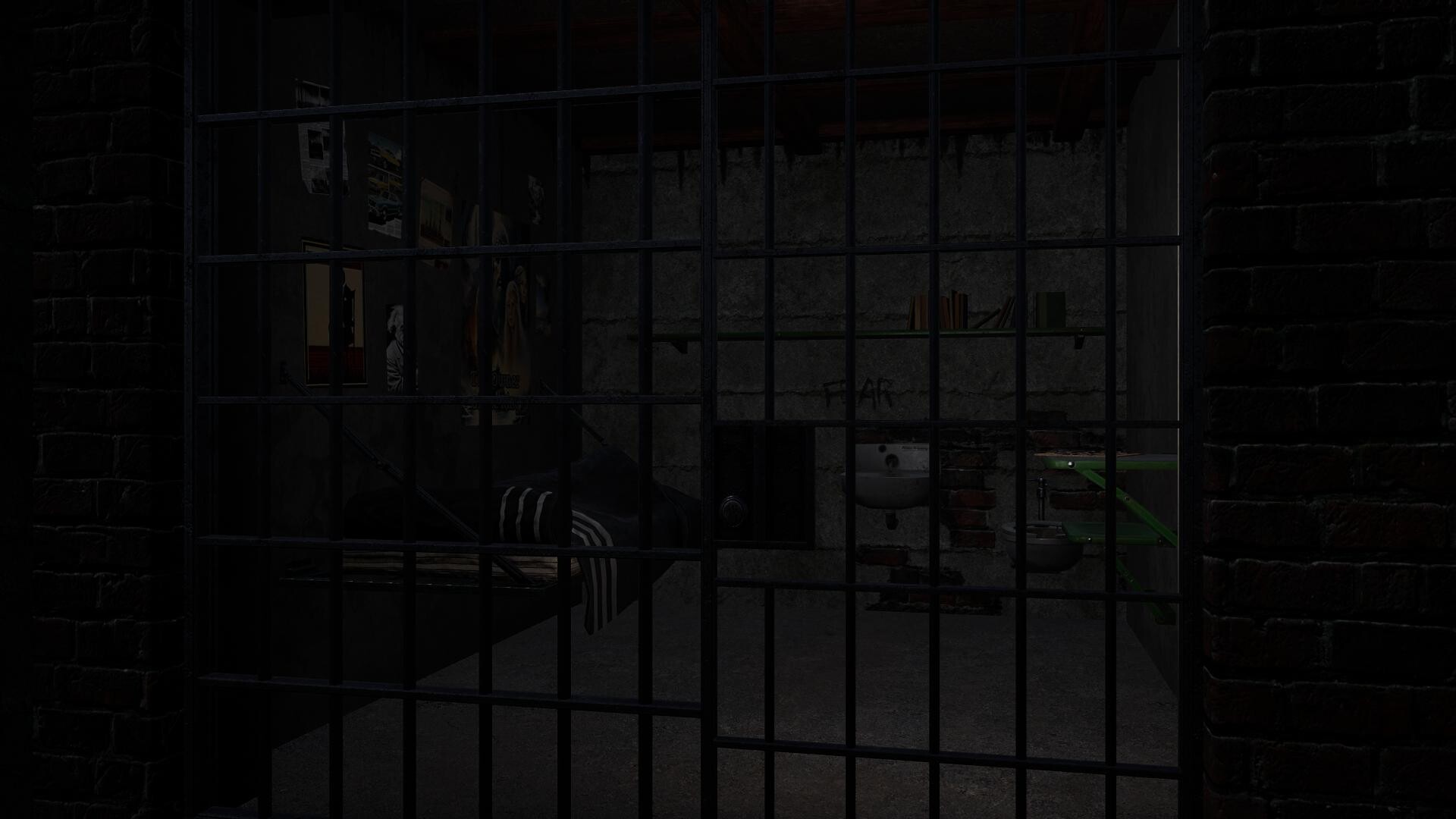
Officially described by the developer-publisher Steadyturtle Co., Ltd., Trace of the Villa puts you in Jin’s shoes as he investigates a property “cut off from the grid and deliberately forgotten.” The mansion contains furnished rooms with missing names and photographs, locked doors and secured systems; when Jin restores power, hidden compartments and safes begin to yield fragments of encrypted documents, manifests and suspicious transfer records. The tone is investigative and ominous rather than overtly supernatural — it reads as a psychological investigation into an organized, concealed operation.
When and where: Steam context
Trace of the Villa launched on Steam on 28 May, 2026. It’s listed as an Action / Adventure / Indie title on the Steam store and carries a single-player focus with accessibility options such as Color Alternatives, custom volume controls and subtitle options.
Why the theme matters: identity, erasure, and the slow uncovering of intent
Where many mystery games telegraph answers through explicit narration or mechanical reveals, Trace of the Villa emphasizes absence as a clue. The lack of photographs and names — “as if identities themselves were removed” — becomes evidence. That erasure reframes ordinary objects into forensic traces: who brought that suitcase, why accounts show suspicious transfers, and how arrivals and departures were engineered. For players intrigued by conspiratorial atmospheres and the moral weight of reading the past through fragments, this is a thematic hook that rewards careful, patient play.
How you progress: reading the house like a case file
The official description makes the loop clear: restore systems, access secured areas, and assemble partial records. Progression is less about reflex and more about interpretation — manifests, encrypted snippets and transfer records create a breadcrumb trail. Mechanically, expect investigation work: toggling power to reactivate systems; unlocking safes and hidden compartments; collecting fragments that, when combined, reveal timelines, falsified identities and financial routes that don’t point where they should. Each recovered element is both a puzzle piece and an accusation; piecing them together reconstitutes events the estate’s owners tried to erase.
Player scenarios: who will get the most out of Trace of the Villa
- The methodical detective: You prefer reading notes and logs, cross-referencing scraps and slowly reconstructing motive and movement. You’ll enjoy the document- and system-driven reveals.
- The atmospheric explorer: You want mood, visual storytelling and rooms that speak via small set-dressing rather than cutscenes. The mansion’s “erased” feeling is built to be explored.
- The narrative puzzle fan: If you like narrative puzzles where the solution is interpretive — connecting encrypted fragments, financial traces and fabricated records — this design should fit.
- Not ideal if: you need constant action, immediate answers or heavy combat; Trace of the Villa leans into slow-burn discovery and environmental deduction.
Comparisons for context
Below is a focused editorial comparison to other story-rich mysteries and explorations, chosen for shared emphasis on atmosphere, environmental storytelling, and puzzle-tension rather than gameplay parity.
| Title | Design focus | Atmosphere / Tone | Puzzle / Exploration | Pacing |
|---|---|---|---|---|
| Trace of the Villa | Document-driven investigation in a decaying mansion | Ominous, erased identities, conspiracy undercurrent | Power restoration, safes, encrypted fragments, manifests | Slow-burn, clue-by-clue unraveling |
| Inscryption | Card-based odyssey blending puzzles and meta-narrative | Dark, ritualistic, psychologically unsettling | Escape-room style puzzles woven into deck mechanics | Variable — tense runs and meta revelations (card-driven) |
| Outer Wilds | Open-world mystery about a solar system | Wonderous, melancholic, curious | Exploration, environmental clues, timeline-based discovery | Exploratory and patient, with emergent revelations |
| The Forgotten City | Narrative-driven time-loop adventure | Moral, investigative, classical-mystery tone | Dialogue and puzzle exploitation of time-loop mechanics | Deliberate, puzzle-centric pacing focused on consequence |
| The Medium | Third-person psychological exploration of dual realities | Haunting, reflective, supernatural-tinged | Parallel-realm puzzles with narrative weight | Slow, story-focused with moments of tension |
Use the comparison above to judge fit: Trace of the Villa sits closer to methodical, document-and-environment-led mysteries (like The Forgotten City’s narrative weight or Outer Wilds’ discovery tone) rather than card- or combat-centered systems.
Where to watch and learn more
Searching YouTube for “Trace of the Villa trailer gameplay” is the fastest way to find trailers or early footage; use this search path: View Trace of the Villa on Steam
Leave a Reply