
Trace of the Villa — a slow-burn, clue-driven mansion mystery for story-first players
Trace of the Villa follows Jin, who has spent years searching for his missing sister and is led to a remote, decaying mansion where recovered manifests and hints suggest she may still be alive. The game, from Steadyturtle Co., Ltd., promises environmental storytelling, narrative puzzle design, and a detective-through-space approach where restoring systems and unlocking hidden compartments gradually exposes a larger, deliberately erased operation.

Who is this for?
This is aimed at players who prize story-first mystery design over fast action: those who enjoy slow-burn suspense, environmental storytelling, and piecing together a backstory from scattered physical clues. If you like detective pacing where investigation, reading recovered manifests, and solving environmental puzzles drive forward meaning, Trace of the Villa is squarely targeted at you.
What the game is
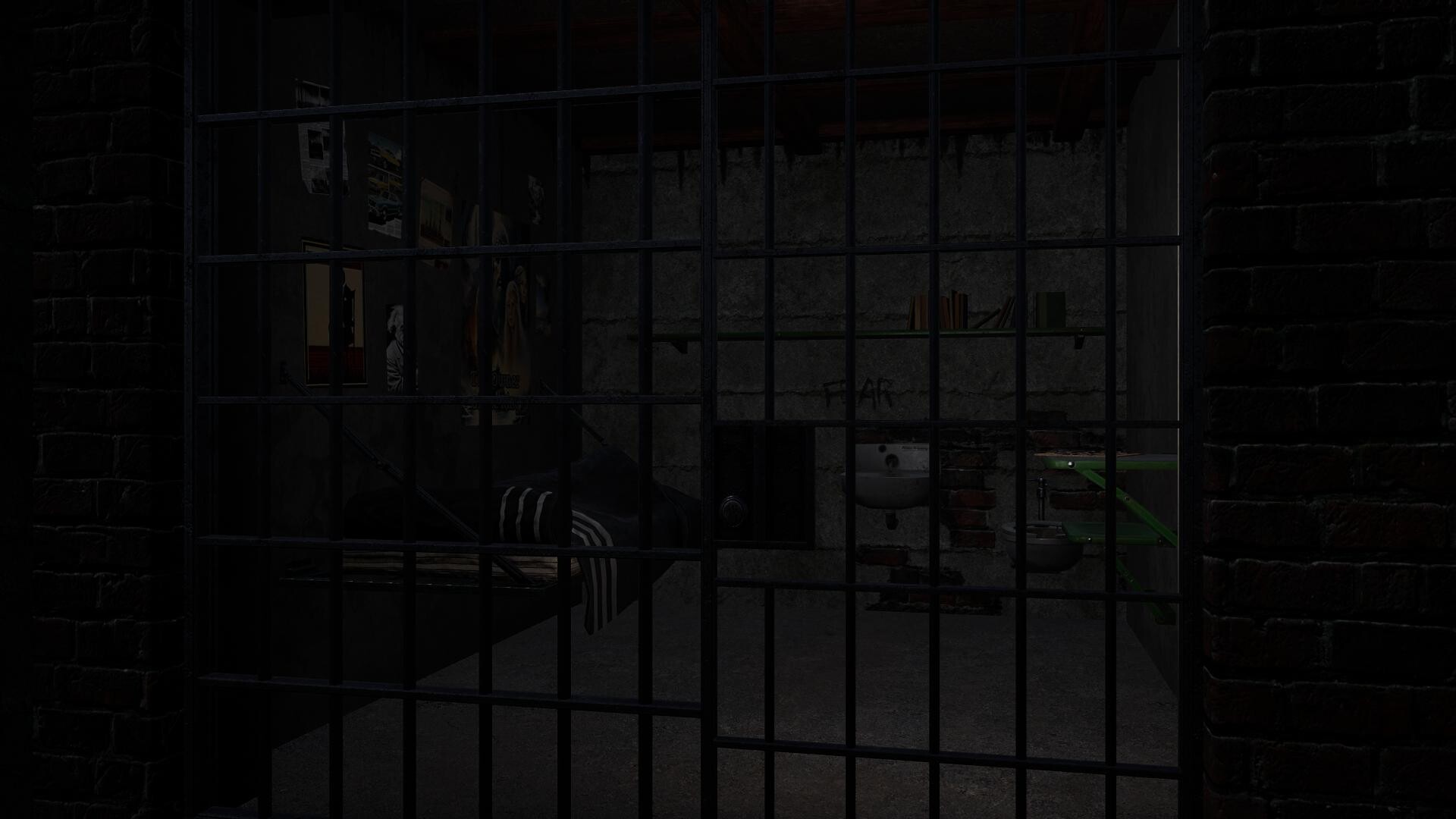
Trace of the Villa is an Action / Adventure / Indie title on Steam developed and published by Steadyturtle Co., Ltd. You play Jin, following leads to an isolated mansion where rooms feel “less abandoned than erased.” When Jin restores power, secured systems come back online, hidden compartments unlock, and safes yield encrypted documents and suspicious transfer records. The narrative emphasis centers on reconstructing identity and motive from fragments rather than on explicit exposition.
When and where
Trace of the Villa released on 28 May, 2026 and is available on Steam for PC players. The Steam page lists single-player and accessibility-oriented categories such as Color Alternatives, Custom Volume Controls, Playable without Timed Input, and Subtitle Options.
Why the theme matters
The core conceit — a house that appears intentionally stripped of names and photographs — flips a common estate-mystery trope into something procedural and investigatory. Instead of a single revealed villain or one-line explanation, the mansion functions like a dossier: restoring power and systems is how the player retrieves documents, decrypts transfers, and traces the logistics of people moving through the property under strict control. That design supports a psychological investigation rather than a jump-scare or combat-first horror.
How players uncover meaning
Progression is clue-driven and puzzle-adjacent. Expect to:
- Search furnished but depopulated rooms for concealed compartments and safes.
- Restore estate systems (power, secured terminals) to access locked digital records and encrypted fragments.
- Assemble timelines and link manifests to suspicious transfer records and falsified identities to extrapolate what the mansion was used for.
The design favors slow, iterative revelation: each unlocked system or solved puzzle yields documents that refract a larger, carefully concealed operation rather than handing you a single tidy explanation.

Player scenarios — who should wishlist it
- Story-first explorers: You want games where the environment is the primary narrator and you derive plot from found items and system logs.
- Puzzle-investigators: You enjoy unlocking digital systems and decrypting documents as a form of storytelling rather than pure mechanical difficulty.
- Slow-burn suspense fans: You prefer mounting unease and a sense of procedural wrongness to jump scares or constant combat.
- Accessibility-minded players: Steam categories include subtitle options and playable without timed input, making it a fit if you value those settings.
Quick facts
| Title | Trace of the Villa |
|---|---|
| Release date | 28 May, 2026 |
| Developer / Publisher | Steadyturtle Co., Ltd. |
| Genres | Action, Adventure, Indie |
| Steam categories | Single-player; Color Alternatives; Custom Volume Controls; Playable without Timed Input; Subtitle Options; Family Sharing |
| Steam page | Open Trace of the Villa on Steam |
How it compares to nearby mystery/puzzle titles
Below is a focused editorial comparison using lawful discovery criteria: genre, atmosphere, puzzle focus, exploration style, story tone, and pacing.
| Title | Tone / Atmosphere | Puzzle focus | Exploration style | Pacing |
|---|---|---|---|---|
| Trace of the Villa | Procedural erasure, clinical but unsettling mansion | Environmental puzzles, system restoration, document decryption | Closed-location mansion, clue-driven rooms | Slow-burn, investigatory |
| Inscryption | Inky, metafictional, oppressive | Card-based puzzles that hide broader secrets | Layered, card-table and meta spaces | Increasingly surreal and escalating |
| Outer Wilds | Curious, melancholic cosmic mystery | Environmental and temporal puzzles; emergent systems | Open solar-system exploration | Exploratory, player-directed discovery |
| The Forgotten City | Philosophical, suspenseful ancient mystery | Time-loop puzzles and moral problem-solving | Closed, city-scale exploration with narrative loops | Deliberate, puzzle-led revelation |
| The Medium | Psychological, dual-reality dread | Puzzle segments that bridge real and spirit realms | Linear locations alternating between two planes | Tension-driven, slower investigation |
Editorial takeaway: if you prize confined, document-led investigation and the satisfaction of reconstructing erased identities, Trace of the Villa is positioned closer to The Forgotten City and The Medium in pacing and theme, but it keeps the investigation tactile and estate-bound rather than loop- or world-scale.
YouTube discovery
If you want to see trailers or gameplay footage, search results for Trace of the Villa are available here (use as a discovery path; presence of a specific official video is not confirmed in this article): YouTube search: Trace of the Villa trailer & gameplay.
Decision guide — should you wishlist it?
Wishlist Trace of the Villa if you enjoy carefully paced environmental storytelling, investigative puzzles that unlock systems and records, and a narrative tone centered on identity and procedural concealment. Consider waiting or watching footage if you prefer open-world discovery, high-action combat, or puzzle mechanics that are purely logic-based rather than narrative-led.
Disclaimer
Referenced titles and trademarks belong to their respective owners. Comparisons above are editorial discovery only and not claims of endorsement or affiliation.
Leave a Reply