
Trace of the Villa — an inspection-heavy mansion mystery for clue-minded players
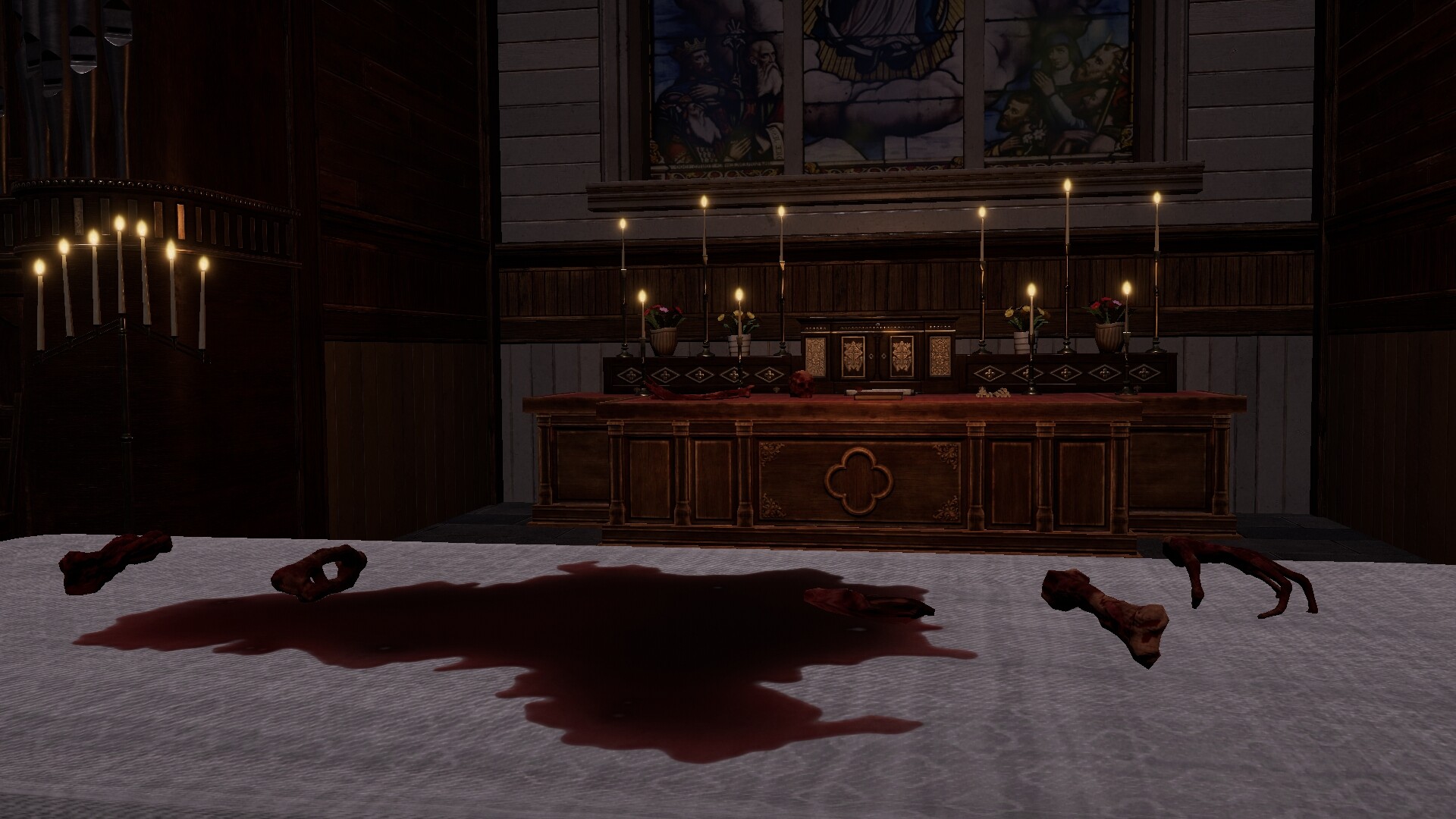
Trace of the Villa puts you in Jin’s shoes: a lone investigator following fragmented manifests and locked rooms through a rotting estate to learn whether his missing sister might still be alive. Released on 28 May, 2026 by Steadyturtle Co., Ltd., it bills itself as an atmospheric, clue-driven adventure built around object logic and environmental reading.

Who this is for
If you prize slow-burn, investigation-first gameplay over action spectacle, Trace of the Villa is aimed at you. The Steam page and official description emphasize a personal, methodical investigation: players who enjoy piecing together timelines from documents, reading environmental cues, and treating inventory items as logical stepping stones will find the design intent aligns with their tastes. It’s a single-player, PC/Steam experience (listed on Steam under appid 3483660) that favors inspection and layered puzzles rather than reflex-based encounters.
What the game is
Trace of the Villa is an atmospheric mystery adventure in which Jin explores a remote, decaying mansion after finding manifests and hints that suggest his sister may still be alive. The estate is described as cut off and deliberately forgotten; rooms appear frozen mid-routine, locked doors hide secured secrets, and restoring power unlocks secured systems and encrypted fragments. Official Steam metadata lists the game’s genres as Action, Adventure, Indie and its categories include Single-player, Color Alternatives, Custom Volume Controls, Playable without Timed Input, Subtitle Options, and Family Sharing.
When and where
Trace of the Villa released on 28 May, 2026 and is available on Steam. The developer and publisher are both Steadyturtle Co., Ltd.
Why the theme matters — locked-room thinking and object logic
The mansion premise foregrounds a particular puzzle philosophy: locked-room thinking. Rather than sprawling quest markers or NPC-driven exposition, the game’s narrative cues come from objects, power systems, safes, manifests, and falsified records. That means the story advances when you treat the environment as a logic puzzle—examining how one unlocked cabinet or restored circuit enables access to the next clue. For players attuned to environmental storytelling and forensic-style exploration, that approach rewards careful observation and hypothesis-testing.
How you progress: reading the environment and chaining clues
According to the official description, progression depends on sequences of discovery: restoring power causes secured systems to reawaken; hidden compartments open; safes yield encrypted documents and transfer records. Expect inspection-heavy gameplay where one solved mechanism reveals the next locked surface or piece of evidence. That chain-of-clues design asks you to treat inventory items, room layouts, and returned systems as parts of a logical puzzle network—if you like tracing cause-and-effect across rooms and documents, this is the intended loop.

Compact facts: Trace of the Villa
| Title | Trace of the Villa |
|---|---|
| Steam AppID | 3483660 |
| Release date | 28 May, 2026 |
| Developer / Publisher | Steadyturtle Co., Ltd. |
| Genres | Action, Adventure, Indie |
| Categories (selected) | Single-player; Playable without Timed Input; Subtitle Options; Color Alternatives; Custom Volume Controls |
| Premise (short) | Jin searches a decaying, off-grid mansion for signs his missing sister may still be alive, recovering manifests and evidence behind locked rooms. |
How it compares — similar puzzle/mystery experiences
Below is a focused editorial comparison on puzzle style, atmosphere, exploration, and player fit. These titles are presented as reference points to help you judge whether Trace of the Villa aligns with your preferences.
| Title | Core puzzle style | Atmosphere & story tone | Exploration style | Player fit |
|---|---|---|---|---|
| Trace of the Villa | Object logic, chained clues, locked compartments, system restoration | Slow-burn, melancholic mansion mystery; investigative and unsettling | Inspection-heavy rooms with interconnected mechanical and document puzzles | Players who prefer forensic, narrative-driven puzzle sequences and environmental reading |
| The Room | Mechanical safes and tactile puzzle boxes; focused, single-object puzzles | Intimate, uncanny — often claustrophobic curiosity-driven tone | Isolated puzzle environments; limited room traversal focused on object manipulation | Fans of hands-on, object-centric puzzles and tactile solutions |
| The Room Two | Progressive mechanical puzzles expanding on the first game; layered devices | Mysterious and atmospheric with creeping revelations | Series of connected chambers and artifacts, still object-first | Players who liked The Room and want more layered mechanical enigmas |
| Escape Simulator | Highly interactive rooms with physics, item combination, and emergent solutions | Variable — depends on the room; can be lighthearted or tense (community content) | Open, sandbox-y rooms where objects can be moved, smashed, or combined | Players who enjoy freedom to experiment, move furniture, and try non-linear solutions; co-op-friendly |
Player scenarios — will you enjoy Trace of the Villa?
- Caseworker type: You read every document, cross-reference dates, and build timelines. You’ll appreciate the manifests, transfer records, and locked systems that require chained solutions.
- Environmental reader: You notice details in room decoration and wiring that hint at next steps. The game’s restoration mechanics and hidden compartments reward that mode of play.
- Action-avoidant explorer: You prefer puzzles without strict timing or twitch requirements—Trace of the Villa is listed as playable without timed input and emphasizes methodical investigation.
- Co-op seeker: This is a single-player-focused experience, so if you want shared puzzling or sandbox tinkering, titles like Escape Simulator offer that instead.
YouTube discovery
If you want trailer or gameplay footage, search YouTube for Trace of the Villa gameplay or trailer. Use this discovery path: Search Trace of the Villa on YouTube. (This is a search/discovery recommendation; a specific official video is not claimed here.)
Where to wishlist or buy
If the detective-style, inspection-heavy approach appeals to you, the Steam page is the place to wishlist or purchase: Trace of the Villa on Steam.
Disclaimer
Referenced titles and trademarks belong to their respective owners. The comparisons above are editorial discovery only and not endorsements. All game facts come from official Steam app data and provided materials.
Leave a Reply