
Trace of the Villa — a story-first mystery built around quiet investigation
Trace of the Villa is an atmospheric mystery adventure that asks players to read the house as evidence: a remote, decaying mansion whose silences and scattered objects point to a larger, concealed operation. Released on 28 May, 2026 by Steadyturtle Co., Ltd., it centers on Jin’s long hunt for his missing sister and the manifests, encrypted fragments and locked systems he finds along the way.

What Trace of the Villa is (and what it isn’t)
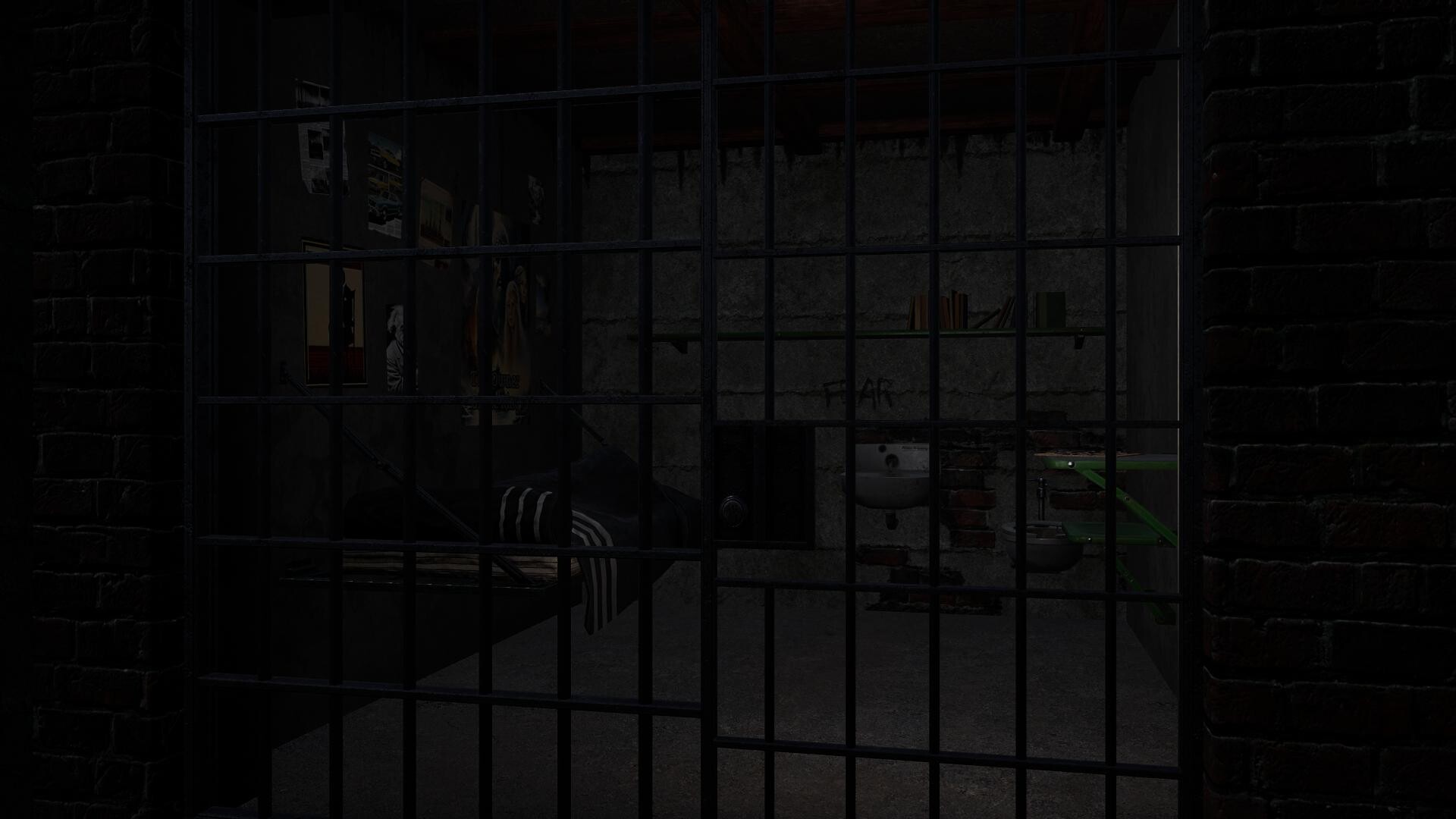
At its core the game is a story-first, clue-driven adventure with action and exploration elements. The official Steam description frames it as a personal investigation: Jin follows leads to a property “cut off from the grid,” recovers manifests and hints, and gradually restores the estate’s systems. The writing emphasizes environmental storytelling — rooms that feel “erased,” locked doors, safes with fragments of encrypted documents, and financial records that suggest falsified identities and controlled movements.
Compact facts
| Title | Trace of the Villa |
|---|---|
| Steam AppID | 3483660 |
| Release date | 28 May, 2026 |
| Developer / Publisher | Steadyturtle Co., Ltd. |
| Genres | Action, Adventure, Indie |
| Key Steam Categories | Single-player; Color Alternatives; Custom Volume Controls; Playable without Timed Input; Subtitle Options; Family Sharing |
When and where: Steam context
Trace of the Villa is available on Steam (released 28 May, 2026). The store page positions it as a single-player, narrative-focused indie experience with accessibility options such as color alternatives and subtitle options that support slower, clue-led playstyles.
Who this is for
- Players who prefer narrative puzzle design that foregrounds story over fast reflexes — the Steam categories include “Playable without Timed Input.”
- Fans of slow-burn mansion mysteries and environmental storytelling: the game leans on rooms, manifests, and locked systems to communicate backstory rather than overt exposition.
- Players who enjoy detective-style progression: restoring power, unlocking secured systems, and reading fragments of encrypted documents to assemble a timeline.
- Anyone seeking an atmospheric indie adventure that blends investigation with occasional action beats (the Steam genres list Action and Adventure).
How you uncover meaning — narrative puzzle design explained
The official store text outlines the reveal mechanics you should expect: Jin recovers manifests and hints in the mansion; when he restores power, secured systems come back online and hidden compartments unlock. Safes yield fragments of encrypted documents and suspicious transfer records; pieces of the estate’s infrastructure and paperwork are the primary storytelling devices. That design frames the player as an investigator piecing together identity erasure, falsified paperwork and a chain of arrivals and departures that left no witnesses.

Why the theme matters
Trace of the Villa’s premise — a house that feels “erased,” occupants gone but traces left behind — creates a specific kind of narrative curiosity. Rather than relying on explicit narration, the game encourages players to interrogate absence: what does the lack of names and photographs mean? Why were identities removed? The mechanics described (encrypted fragments, financial trails, falsified identities) steer the experience toward piecing together institutional or covert motives, not just supernatural scares.
Player scenarios — how it might fit your play sessions
- Quiet evening, methodical play: You like to read notes, inspect objects, and reconstruct timelines. The lack of timed inputs and subtitle options supports this pace.
- Investigator mindset: You prefer games where clues accumulate into a coherent conspiracy. The game’s emphasis on manifests, transfer records and encrypted fragments rewards careful note-taking.
- Atmospheric exploration with tension: You want a slow-burn tone where the environment is the narrator and discovery feels earned rather than spoon-fed.
- Cautious action-adjacent players: The listed genres include Action, so expect occasional moments where movement or quick decisions may appear, but the store categories suggest accessibility for those who avoid fast reflex challenges.
How it compares — a short editorial comparison
Below is a concise table comparing Trace of the Villa to a few narrative-driven mystery/adventure titles on focus and player fit. This is editorial discovery, not endorsement.
| Title | Shared DNA | Narrative focus / tone | Puzzle & exploration style | Player fit |
|---|---|---|---|---|
| Trace of the Villa | Atmospheric mansion mystery; environmental storytelling | Personal investigation into a missing person and erased identities; slow-burn, investigative tone | Clue-driven: restores systems, unlocks compartments, reads manifests/encrypted fragments | Players who like careful reading, reconstruction of timelines, and exploratory pacing |
| Inscryption | Indie mystery with psychological elements | Inky, meta-psychological horror that uses story layers and unreliable framing | Card-based puzzles and escape-room mechanics blended with metafiction | Players who enjoy experimental narrative devices and genre mashups |
| Outer Wilds | Exploration-first mystery; environmental clues | Open-world solar system mystery with a celestial time-loop conceit | Exploratory, discovery-led; piecing together a larger timeline through environments | Players who prefer open exploration and emergent narrative reconstruction |
| The Forgotten City | Narrative mystery with moral consequences | Classical mystery/whodunit tone set within a time-loop constraint | Puzzle and dialogue-driven; uses time manipulation as a mechanical and narrative tool | Players who enjoy moral puzzles and repeated-play revelations |
| The Medium | Psychological investigation with atmosphere | Third-person psychological horror exploring trauma and the spirit realm | Dual-realm exploration and environmental puzzle solving | Players attracted to layered realities and psychological themes |
Deciding whether to wishlist Trace of the Villa
Wishlist this if you prioritize story-first mystery design, enjoy environmental storytelling where the
Steam page
View Trace of the Villa on Steam
YouTube discovery
For trailer and gameplay discovery, use YouTube search rather than relying on unverified embeds: Find Trace of the Villa trailer and gameplay searches on YouTube.
Leave a Reply