
Trace of the Villa — a story-first mansion mystery that asks you to read absence
Trace of the Villa positions you as Jin, a loner following the last cold leads for a missing sister into a remote, decaying mansion where manifests and hints suggest she might still be alive. It’s a slow-burn, atmospheric mystery adventure from Steadyturtle Co., Ltd. that stitches environmental storytelling and encrypted fragments into a clue-driven investigation.

Quick facts
| Title | Trace of the Villa |
|---|---|
| Steam AppID | 3483660 |
| Release date | 28 May, 2026 |
| Developer / Publisher | Steadyturtle Co., Ltd. |
| Genres | Action, Adventure, Indie |
| Key Steam categories | Single-player, Color Alternatives, Custom Volume Controls, Playable without Timed Input, Subtitle Options, Family Sharing |
| Short premise (official) | Jin has spent years searching for his missing sister, pursuing leads that took him to a remote, decaying mansion where he recovered manifests and hints that indicate his sister may still be alive, somewhere at the end of the trail he is about to follow. |
Who should wishlist this
If you prize story-first mystery design — where the house itself is a narrator and clues arrive as objects, encrypted documents, and restored systems — Trace of the Villa looks aimed at you. The game’s Steam categories (single-player, subtitle options, color alternatives, and playable without timed input) suggest accessibility-minded exploration rather than twitch-led horror. Add it to your list if you like slow-burn suspense, atmospheric mansion puzzles, and piecing meaning from absence instead of explicit exposition.
What the game actually is
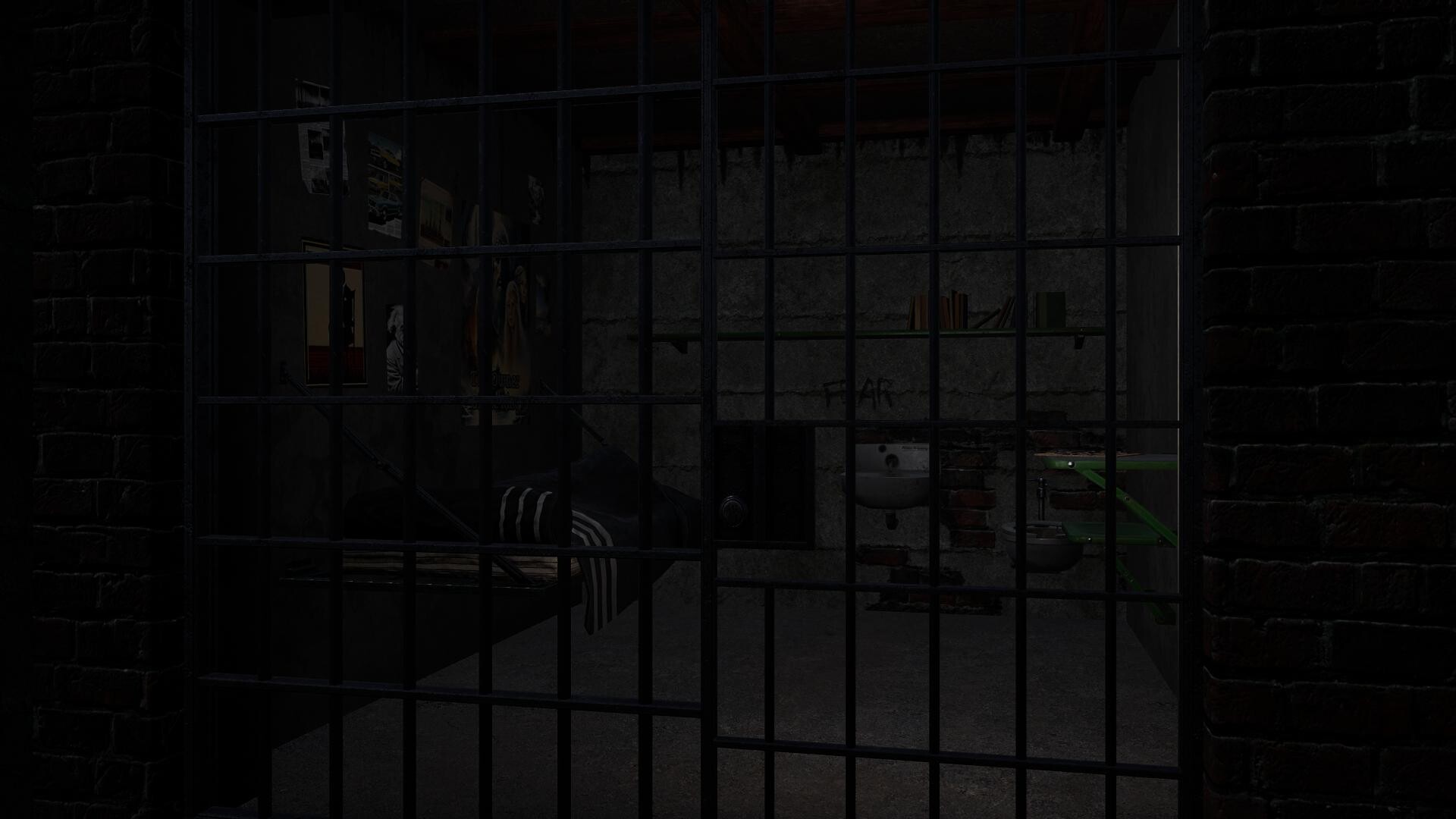
According to the official store text, you play Jin, a searcher whose leads culminate at a deliberately forgotten mansion. Rooms are left as if people vanished mid-routine; identities and photographs are missing; locked systems and safes contain fragments — encrypted documents, suspicious transfer records, and manifests — that point beyond the estate. Gameplay appears to center on restoring power, unlocking secured systems, and following financial and identity traces to understand what the place was used for and whether Jin’s sister remains on the trail.

When and where — Steam specifics
Trace of the Villa released on Steam on 28 May, 2026 and is published and developed by Steadyturtle Co., Ltd. The Steam page lists it under Action, Adventure, and Indie and shows accessibility-focused categories like subtitle options and color alternatives. If you browse the Steam store, the official page is the primary source for system requirements, localized descriptions, and media.
Why the premise matters — narrative curiosity as a gameplay loop
The game’s emotional hook is absence: not only a missing person but missing identities, doctored records, and erased histories. Story-first mystery design treats each mechanical act (restoring power, decrypting files, opening safes) as an interpretive move — you’re not only solving puzzles, you’re translating the house’s deliberate silences into a timeline. That makes Trace of the Villa appealing to players who enjoy environmental storytelling, narrative puzzle design, and piecing together meaning from small, interconnected artifacts rather than large swathes of cutscene exposition.
How you progress and uncover meaning
The official description points to layered discovery: restoring systems reactivates secured tech, hidden compartments open, and safes yield fragments of encrypted documents and suspicious transfer records. Progress is therefore likely gated by both environmental puzzle solving (power, locks, safes) and interpretive work (reading manifests, following financial trails, recognizing falsified identities). Those who enjoy following non-linear threads — financial logs, manifests, encrypted fragments — to form a larger theory about events will find the game’s pace and rewards aligned with that investigative rhythm.
Player scenarios — who will enjoy it and why
- Slow-burn explorers: If you prefer to move cautiously, read everything, and form theories from small clues, this is aimed at your tempo.
- Puzzle players who like narrative payoff: If you enjoy puzzles that unlock story beats (safes, systems, and encrypted documents), the game frames mechanical solves as narrative reveals.
- Atmosphere-first players: If the creak of floorboards and staged interiors reliably deliver chills for you, the mansion’s design is an important draw.
- Players wanting accessibility options: Steam categories list subtitle options, color alternatives, and no required timed input — useful if you need a less reflex-focused, more contemplative mystery.
How it compares — short editorial table
| Title | Genre/Focus | Narrative style | Puzzle / Exploration | Pacing / Tone |
|---|---|---|---|---|
| Trace of the Villa | Action, Adventure, Indie (mansion mystery) | Environmental clues, encrypted documents, identity erasure | Lock/safe/system restoration, document-driven threads | Slow-burn, atmospheric, investigative |
| Inscryption | Adventure, Indie, Strategy (card-based mystery) | Meta-narrative, layered secrets embedded in systems | Card puzzles, escape-room mechanics, meta discovery | Claustrophobic, unsettling, puzzle-heavy |
| Outer Wilds | Action, Adventure (open-world cosmic mystery) | Exploratory, player-driven narrative through discovery | Environmental puzzles and timelines across locations | Curious, wonder-driven, experimental pacing |
| Journey | Adventure, Indie (emergent exploration) | Minimalist, symbolic storytelling via environment | Non-literal exploration; emotional, not puzzle-oriented | Calm, poetic, meditative |
| The Forgotten City | Adventure, Indie, RPG (moral mystery) | Dialog- and time-loop-driven narrative | Logic puzzles, time-manipulation, narrative choices | Structured, puzzle-narrative hybrid |
| The Medium | Adventure (psychological horror) | Dual-realm storytelling, trauma and echoes | Realm-switch puzzles, narrative exploration | Brooding, psychological, tension-focused |
Notes: comparisons focus on narrative and puzzle design rather than claims of superiority.
Practical checklist before you buy or wishlist
- Confirm system requirements on the Steam page for your PC.
- Expect single-player campaign with subtitle options and accessibility features listed on Steam.
- Be prepared for investigative pacing: reading files, restoring systems, and forming theories are core loops.
- If you prefer high-action, reflex-only gameplay, this leans more narrative and investigation than nonstop combat.
Trailer and gameplay search
For trailers and gameplay clips, search YouTube using this discovery link (useful for multiple uploads and community videos): Trace of the Villa — YouTube search. This is a search path for community and official videos; it does not assert a
Leave a Reply