
Trace of the Villa — a slow-burn mansion mystery built around clues, erased identities, and personal stakes
Steadyturtle’s Trace of the Villa puts you in the shoes of Jin, a searcher piecing together a deliberately scrubbed estate where people vanished and records stop cold. The game promises clue-driven exploration, environmental storytelling, and slow-burn suspense as you restore systems, open safes, and follow manifests that might lead to Jin’s missing sister.

Quick facts
| Title | Trace of the Villa |
|---|---|
| Developer | Steadyturtle Co., Ltd. |
| Publisher | Steadyturtle Co., Ltd. |
| Release date | 28 May, 2026 |
| Steam AppID | 3483660 |
| Genres | Action, Adventure, Indie |
| Notable Steam categories | Single-player; Color Alternatives; Custom Volume Controls; Playable without Timed Input; Subtitle Options; Family Sharing |
Who this is for
If you prioritize story-first mystery design over constant action, Trace of the Villa will likely appeal. It’s built for players who enjoy atmospheric mystery adventure and environmental storytelling: people who want to read the space, interpret missing records, and feel the narrative accumulate through found documents and restored systems. The Steam categories (single-player, subtitle options, playable without timed input) underline a player-facing approach that values careful reading and pacing.
What the game is (and what it promises)
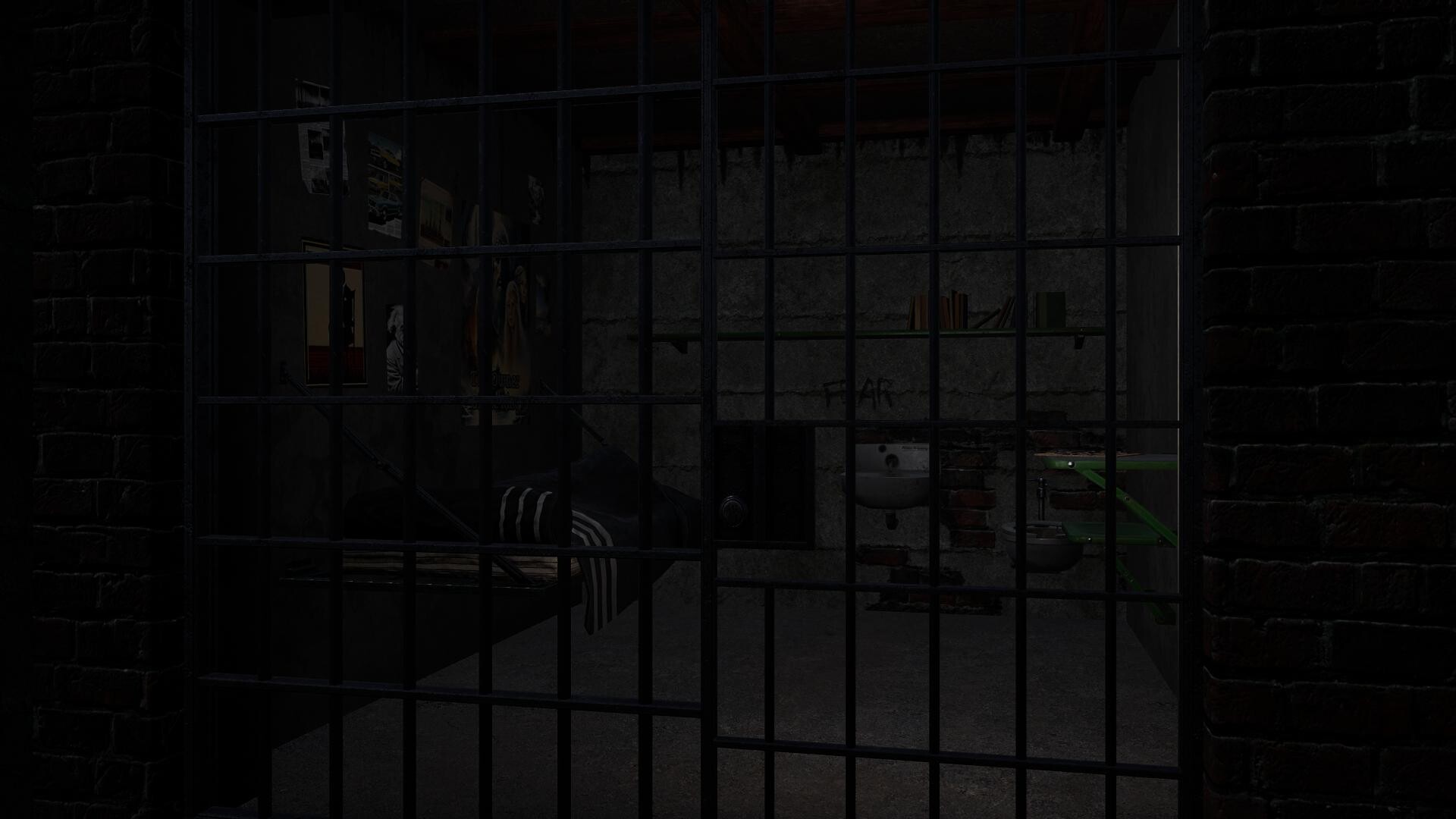
Officially, Jin has spent years searching for his missing sister and follows a lead to a remote, decaying mansion where manifests and hints indicate she may still be alive. Inside, rooms look as if occupants vanished mid-routine; identities and photographs are conspicuously absent. When Jin restores power, secured systems come back online, safes yield encrypted fragments, and a pattern of falsified identities and masked movements begins to emerge. The narrative framework is an investigative spine: puzzles and power-restoration tasks unlock new evidence and reveal layers of a concealed operation.

When and where
Trace of the Villa released on Steam on 28 May, 2026. It’s listed on Steam as an Action/Adventure/Indie title by Steadyturtle Co., Ltd., available through the standard Steam store page and presented with features like subtitle options and accessibility-friendly tags such as “Playable without Timed Input.”
Why the theme matters
The core thread — a home that’s been “erased” and records deliberately scrubbed — is a strong fit for players drawn to psychological investigation and slow-burn suspense. The absence of names and photographs turns ordinary domestic spaces into cryptic sites: furniture and household items become evidence. That design choice shifts emotional weight from jumpscare-centric horror to the unsettling intimacy of missing lives. For players who want narrative meaning to be constructed from fragments, Trace of the Villa centers that process.
How you uncover meaning — design and player flow
Based on the official description, progression is deliberately forensic. You restore power to unlock systems, solve puzzles to access hidden compartments, and decrypt documents that reveal financial trails and falsified identities. Each recovered fragment functions as both mechanical unlock and narrative cue, so puzzle-solving equals story progression. The game favors investigative patience: rather than forcing timed reflexes, it layers information so a player’s reading of space and documents determines the emotional payoff.
Player scenarios — who will enjoy it most
- Puzzle-first explorer: You like structural puzzles that gate narrative progression. If finding the next lead by unlocking a safe or restoring a system excites you, this will satisfy that loop.
- Environmental storyteller: You prefer learning people by their rooms and belongings. If empty chairs, half-made beds and erased photos set your imagination racing, Trace of the Villa places those clues front and center.
- Slow-burn detective: You value a pacing that rewards note-taking and backtracking. The reveal mechanics—encrypted documents and manifests—are aimed at players who are comfortable assembling timelines from fragments.
- Accessibility-minded players: The Steam tags (subtitle options, playable without timed input, custom volume controls) suggest the team considered players who need a less reflex-driven, more readable experience.
How it compares — brief editorial table
| Title | Focus | Atmosphere / Tone | Player progression | Pacing |
|---|---|---|---|---|
| Trace of the Villa | Clue-driven investigation, environmental storytelling | Decaying mansion, erased identities, unsettling domestic silence | Restore systems, open safes, decrypt documents to reveal story | Slow-burn, measured reveals |
| Inscryption | Card-based puzzles with meta-narrative | Inky, psychological horror | Deckbuilding + escape-room style puzzle loops | Tense, often emergent |
| Outer Wilds | Open-world cosmic mystery | Awe-driven, melancholic exploration | Discovery and systemic puzzles uncover timeline | Patient, exploratory |
| Journey | Emotional exploration, minimalist storytelling | Poetic, solitary | Traversal and visual cues carry narrative | Meditative, short-form |
| The Forgotten City | Narrative mystery with time-loop mechanics | Curiosity-led, moral puzzle | Dialogue and time manipulation reveal cause/effect | Thoughtful, puzzle-driven |
| The Medium | Psychological investigation, dual-reality exploration | Dark, reflective horror | World-switching and environmental investigation | Atmospheric, story-focused |
Notes: comparisons are editorial and focus on genre, atmosphere, puzzle focus, exploration style, story tone, and pacing.
View Trace of the Villa on Steam
YouTube discovery
For trailer and gameplay discovery, use YouTube search rather than relying on unverified embeds: Find Trace of the Villa trailer and gameplay searches on YouTube.
Leave a Reply