
Trace of the Villa — why quiet tension and slow-burn suspense still matter on Steam
Trace of the Villa places you in Jin’s shoes, following a trail of manifests and half-erased lives through a remote, decaying mansion. Its strength is atmosphere built from absence: silence, locked doors, and the slow revelation of a deliberately concealed past rather than a parade of shocks.

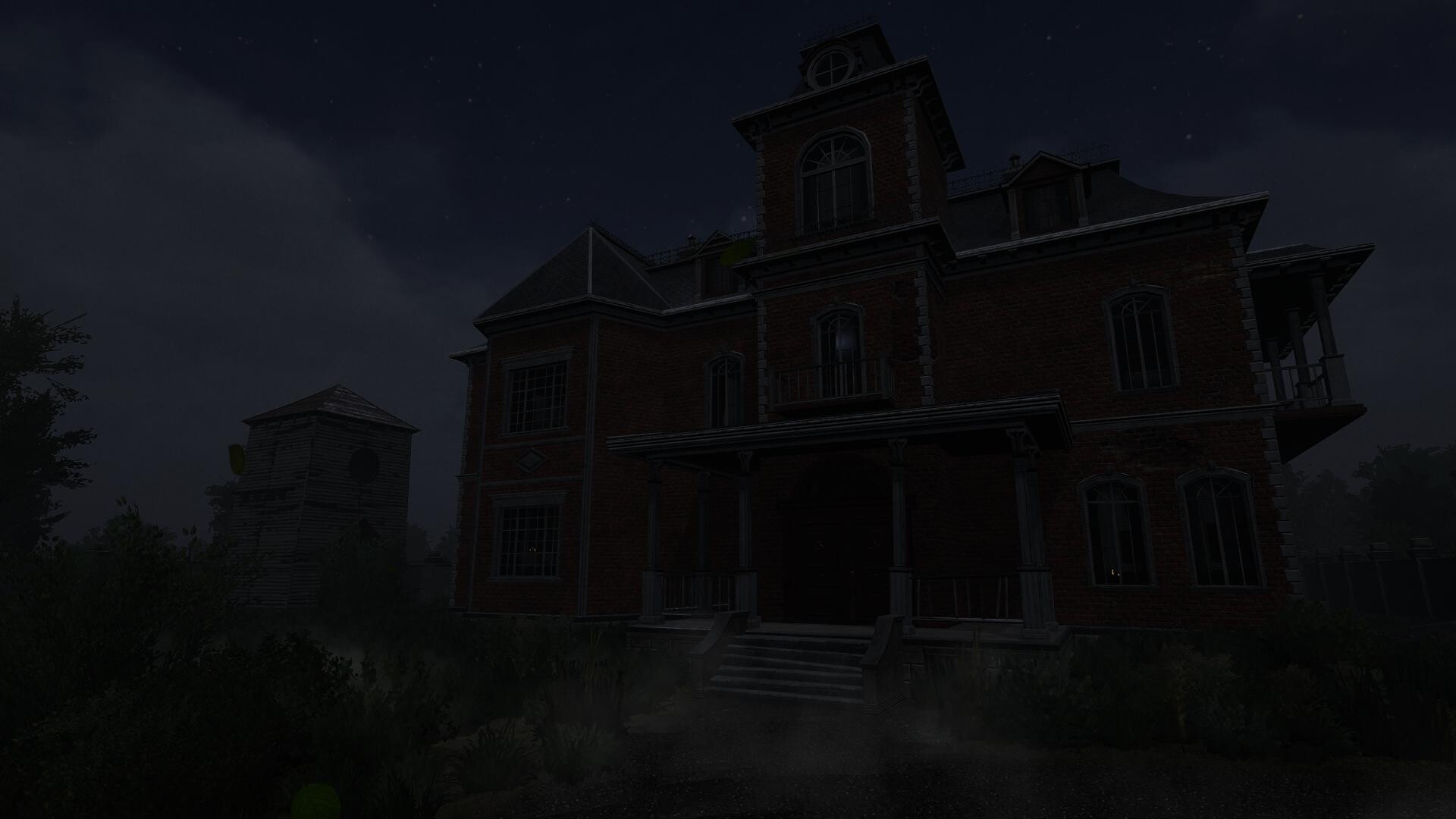

| Title | Trace of the Villa |
|---|---|
| Steam AppID | 3483660 |
| Developer / Publisher | Steadyturtle Co., Ltd. |
| Release date | 28 May, 2026 |
| Genres | Action, Adventure, Indie |
| Key categories | Single-player; Color Alternatives; Custom Volume Controls; Playable without Timed Input; Subtitle Options; Family Sharing |
Who is this for?
Trace of the Villa suits players who prefer slow-burn suspense and investigation over constant adrenaline. If you enjoy atmospheric mystery adventure, environmental storytelling, and clue-driven exploration—where progress comes from piecing together fragments and restoring systems rather than outrunning a constantly active threat—this is aimed at you.
What the game is
Officially described on Steam: Jin has spent years searching for his missing sister and follows leads to a remote, decaying mansion where manifests and hints suggest she may still be alive. Inside, rooms appear frozen mid-routine, locked doors hide secrets, and restoring power reveals encrypted documents, safes, and a carefully concealed operation. The game frames investigation through exploration, puzzle solving, and gradual revelation.
When and where
Trace of the Villa released on Steam on 28 May, 2026. It’s presented as a PC/Steam indie release from Steadyturtle Co., Ltd., listed under Action, Adventure, Indie and with single-player and accessibility-centered categories such as subtitles and custom volume controls.
Why the theme matters
Psychological horror thrives in uncertainty. Trace of the Villa leans on erasure — missing photographs, anonymized belongings, financial trails that lead nowhere — to cultivate unease. That kind of dread works differently from jump-scare-focused design: it makes you question what’s not shown and lets your imagination fill in the gaps. For players who value mood, atmosphere, and the slow accrual of dread, that ambiguity is the point.
How you play — clues, systems, and progression
Progress is investigative. According to the Steam description, Jin restores power to the estate, which brings systems back online, unlocks compartments, and yields fragments of files and transfer records. Expect environmental puzzles, locked safes, and encrypted documents that connect rooms and records into a timeline. The loop is exploration → restoration → decoding → interpretation: you read traces left behind rather than being told a story outright.
Player scenarios — who should wishlist it (and why)
- Atmosphere-first explorer: You want to move slowly, read labels and manifests, and follow subtle breadcrumbs. The mansion mystery is tailored to that patient pace.
- Puzzle-driven detective: If you like piecing together encrypted documents and forensic-style clues, the restoration-and-reveal structure will reward close attention.
- Accessibility-minded players: Steam categories include Subtitle Options and Custom Volume Controls, and the game is playable without timed input—useful for players who need a less reflex-driven experience.
- Not for players who want constant action: If you prefer continuous combat, fast-paced chases, or loud jump scares, this title leans toward tension and uncertainty rather than non-stop threats.
How it compares — editorial discovery (not endorsement)
| Title | Genre / Tag | Atmosphere | Puzzle focus | Exploration style | Pacing / Player fit |
|---|---|---|---|---|---|
| Trace of the Villa | Action / Adventure / Indie | Mansion mystery, slow-burn suspense | Environmental puzzles, encrypted documents, restoration systems | Investigative room-by-room, restoring power reveals new areas | Patient, detail-oriented players who prefer narrative puzzle design |
| Amnesia: The Dark Descent | Action / Adventure / Indie | Immersive, survival-focused dread | Puzzle elements within survival constraints | First-person exploration with atmosphere-driven horror | Players seeking immersion and vulnerability under pressure |
| SOMA | Action / Adventure / Indie | Sci-fi existential tension | Story-integrated puzzles with thematic weight | Exploration of a hostile, confined environment | Players who want narrative puzzle work with philosophical tone |
| Layers of Fear (2016) | Adventure / Indie | Psychological, shifting mansion horror | Environmental, story-first puzzle bits | Imperfect, changing space that plays with perception | Those who prefer surreal storytelling and atmosphere over mechanics |
| Poppy Playtime |
Leave a Reply