
Trace of the Villa — a story-first mansion mystery that asks players to read what’s been erased
Trace of the Villa drops you into a decaying, deliberately forgotten mansion where Jin, a man searching for his missing sister, finds manifests and encrypted fragments that suggest the trail isn’t cold after all. Released on 28 May, 2026 by Steadyturtle Co., Ltd., the game outfits that investigation with environmental storytelling, locked systems, and puzzle-led revelations that unfold at the player’s pace.

Quick facts
| Title | Trace of the Villa |
|---|---|
| Release date | 28 May, 2026 |
| Developer | Steadyturtle Co., Ltd. |
| Publisher | Steadyturtle Co., Ltd. |
| Steam appid | 3483660 |
| Genres | Action, Adventure, Indie |
| Categories | Single-player; Color Alternatives; Custom Volume Controls; Playable without Timed Input; Subtitle Options; Family Sharing |
| Official short description | Jin has spent years searching for his missing sister, pursuing leads that took him to a remote, decaying mansion where he recovered manifests and hints that indicate his sister may still be alive, somewhere at the end of the trail he is about to follow. |
Who should wishlist Trace of the Villa?
If you prize story-first mystery design over twitch reflexes, this will be comfortably in your orbit. The game positions itself for players who want:
- clue-driven exploration and piecing together timelines from scattered evidence;
- slow-burn suspense and atmospheric mansion work rather than combat-heavy action;
- environmental storytelling that uses power restoration, safes, encrypted documents, and locked compartments to reveal backstory;
- an experience playable without timed inputs and with accessibility options like subtitles and color alternatives.
What the game is — the investigative spine
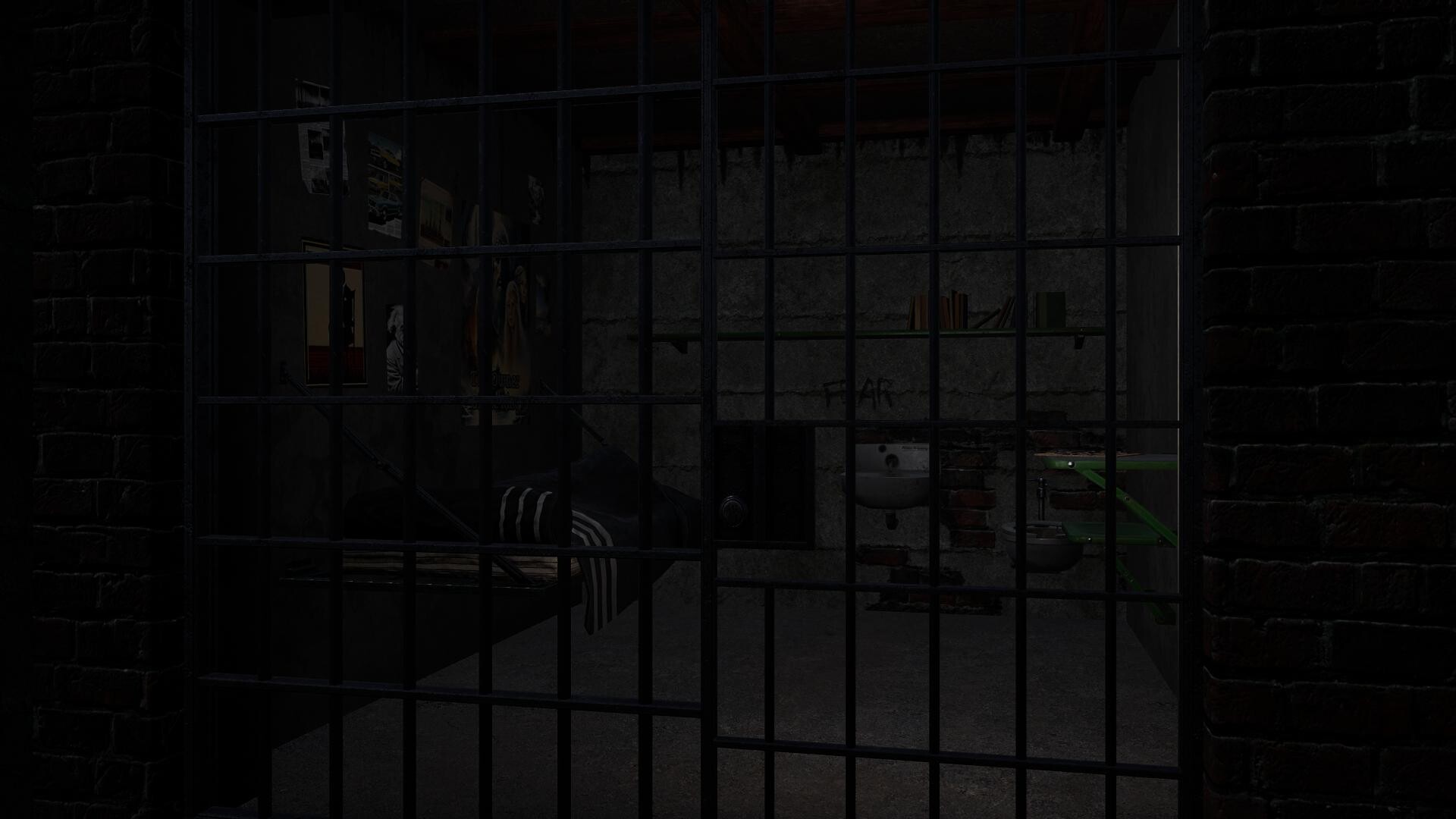
Trace of the Villa frames Jin’s search for his missing sister inside a property “cut off from the grid and deliberately forgotten.” Rooms look as if occupants vanished in mid-routine; identities have been scrubbed; systems and safes hide fragments. Gameplay emphasis — as described on the Steam page — centers on restoring power, bringing secured systems back online, and working through puzzles that unlock further layers of a concealed operation: financial trails, falsified identities, and controlled movements. The result is a narrative puzzle loop where each solved lock or decrypted document reframes what you thought you knew.

When and where — Steam context
Trace of the Villa released on Steam on 28 May, 2026. The Steam store lists it under Action / Adventure / Indie and includes accessibility and presentation categories such as subtitles, color alternatives, custom volume controls, and “Playable without Timed Input.” If you want to see the official store page, use this link: Trace of the Villa on Steam.
Why the theme matters — what the erased details do narratively
Mansions that feel “erased” are a hook because they force players to act like detectives who reconstruct identity from absence. In Trace of the Villa, missing photographs, falsified records, and sealed systems aren’t just props — they function as story mechanisms. Restoring power is literal and narrative: each system revived gives access to another fragment, and those fragments chain into a larger pattern that reframes the premise from a one-off missing-person case into evidence of a controlled operation. For players who enjoy the intellectual satisfaction of inference — reading traces rather than receiving exposition — that structure is the game’s primary beat.
How you progress — the clue loop and puzzle reading
According to the Steam description, progression is primarily investigative: find manifests and hints, restore estate systems, unlock safes, and decrypt fragments. That suggests a loop of exploration → restoration → puzzle → new evidence. Because categories include “Playable without Timed Input,” expect puzzles and exploration to reward careful observation and deduction rather than split-second timing. This is design aimed at players who treat a room as a puzzle board and logbook rather than a combat arena.
Player scenarios — who will enjoy specific moments
- Weekend investigator — you want a methodical evening of note-taking, backtracking, and gradually unlocking a house’s secrets without pressure.
- Story-first player — you prioritize narrative puzzle design: encrypted files and safes that recontextualize character motives and institutional concealment.
- Atmosphere seeker — you enjoy constructing meaning from staged domestic details: an undisturbed cup, a stopped clock, absence where presence should be.
- Puzzle completer — you like layered problem-solving where environmental cues and restored systems yield the next puzzle rather than menu-forwarding plot beats.
How Trace of the Villa compares — editorial discovery table
Below are nearby story-rich mystery and exploration titles, compared on lawful editorial criteria: core mystery style, pacing, puzzle emphasis, and tonal intent. This is for discovery, not endorsement.
| Title | Core mystery style | Pacing | Puzzle emphasis | Tone |
|---|---|---|---|---|
| Trace of the Villa | Clue-driven mansion investigation (restoring systems, encrypted documents) | Measured, exploration-led | Environmental puzzles, safes, decryption | Atmospheric, unsettling, personal investigation |
| Inscryption | Card-based odyssey merging escape-room puzzles and meta-narrative | Variable — often tense and escalating | Puzzle and deckbuilding interlock | Dark, psychological, surreal |
| Outer Wilds | Open-world solar system mystery about discovery and cycles | Exploratory, patient (time-loop structure) | Environmental and systemic puzzles tied to exploration | Curious, melancholic, cosmic |
| The Forgotten City | Narrative-driven mystery with looping mechanics and moral dilemmas | Paced around iteration and discovery | Dialogue and systemic puzzle-solving | Philosophical, investigative |
| The Medium | Psychological horror exploring dual realities | Steady, atmospheric | Puzzles that use parallel-realm mechanics | Haunting, introspective |
Deciding checklist — is this for you?
- Yes if you like reading absence as a clue and assembling timelines from fragmented documentation.
- Probably not if you expect action-driven combat or fast-paced multiplayer beats.
- Wishlist if you prefer slow, story-first mystery design and enjoy environmental puzzles that reveal backstory over time.
YouTube discovery
For trailer and gameplay discovery, use YouTube search rather than relying on unverified embeds: Find Trace of the Villa trailer and gameplay searches on YouTube.
Leave a Reply