Trace of the Villa: a story-first mansion mystery for clue-driven explorers
Trace of the Villa puts narrative curiosity at the center: you follow Jin into a cut‑off, decaying mansion where manifests, encrypted records, and the feeling of erased identities hint that his missing sister may still be alive. It’s a slow‑burn, atmospheric mystery adventure that asks players to read architecture, systems, and fragments of paperwork the way an investigator reads a dossier.

Quick facts
| Title | Trace of the Villa |
|---|---|
| Release date | 28 May, 2026 |
| Developer / Publisher | Steadyturtle Co., Ltd. |
| Platform | Steam / PC |
| Genres | Action, Adventure, Indie |
| Key Steam categories | Single‑player; Color Alternatives; Custom Volume Controls; Playable without Timed Input; Subtitle Options; Family Sharing |
| Steam app | 3483660 |
Who should wishlist Trace of the Villa?
If you prefer story‑first mystery design over combat spectacle, this is aimed at you. The game suits players who like:
- atmospheric mystery adventure with slow, investigative pacing;
- environmental storytelling and clue‑driven exploration rather than explicit exposition;
- psychological investigation where the house and its archived systems are the primary puzzle pieces.
What the game is — the official premise
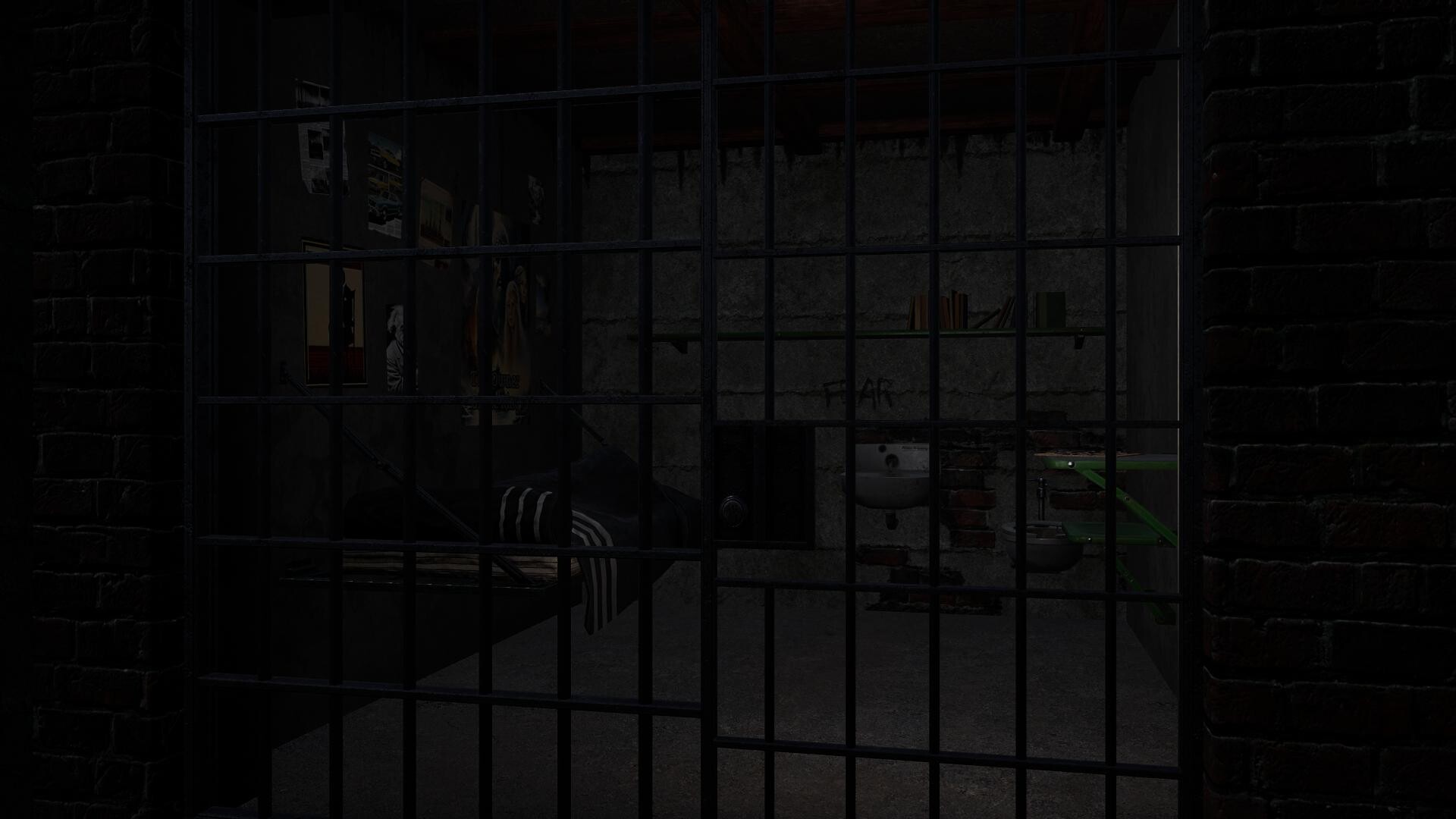
From the Steam page: Jin has spent years searching for his missing sister. A lead points to a remote, decaying mansion cut off from the grid. Inside, rooms look as if occupants vanished mid‑routine; identities appear to have been removed. When Jin restores power, secured systems come back online: hidden compartments unlock, safes yield fragments of encrypted documents and suspicious transfer records. As Jin pieces together the timeline, a disturbing pattern emerges — arrivals without records and departures without witnesses — and the mansion reveals it was part of something larger.

When and where — Steam specifics
Trace of the Villa launched on Steam on 28 May, 2026. The Steam store lists Steadyturtle Co., Ltd. as both developer and publisher, and classifies the game under Action, Adventure, and Indie with standard accessibility options such as subtitle support and color alternatives.
Why the theme matters — erased identities and institutional gaps
The narrative hook isn’t just “someone’s missing”; it’s the suggestion that records, names, and normal evidentiary markers have been deliberately wiped or obfuscated. That theme shapes the mystery design: you’re not only finding objects, you’re reconstructing bureaucratic and physical traces left behind. For players interested in narrative puzzle design, that creates a distinctive investigative texture — documentation, transfer records, and restored systems are core evidence rather than incidental flavor.
How you uncover meaning — investigative systems over handholding
According to the official description, progress is driven by restoring power and accessing locked systems, which in turn yield encrypted fragments and transfer records. Expect a layered approach to discovery: solve environmental puzzles or systems puzzles to open a new avenue, collect fragments of manifests and hints, then trace those threads to assemble the larger timeline. The game frames progress as piecing together an institutional trace rather than merely opening secret rooms.
Player scenarios — who will enjoy this and why
Scenario A: The patient investigator
You like slow‑burn suspense and spend sessions cataloguing evidence. You’ll appreciate the mansion’s deliberate pacing and the emphasis on archives and encrypted fragments.
Scenario B: The environmental storyteller
You read a room like a paragraph and prefer environmental cues to cutscenes. Trace of the Villa’s furnished yet anonymized spaces reward close observation and inference.
Scenario C: The systems puzzle fan
You enjoy unlocking mechanics — restoring power, reactivating systems, and following financial or document trails to new locations. The game’s official description centers those mechanics as how the house “reveals what it was hiding.”
How Trace of the Villa compares to other narrative mysteries
Below is a compact editorial comparison focused on atmosphere, puzzle focus, exploration style, pacing, and player fit. These comparisons are editorial discovery only — they’re meant to help you decide whether Trace of the Villa matches your taste.
| Title | Core focus | Mystery style | Puzzle / exploration | Pacing & player fit |
|---|---|---|---|---|
| Trace of the Villa | Atmospheric mansion investigation | Erased identities, institutional traces | Systems restoration, document fragments, environmental clues | Slow, investigative; for players who enjoy reading spaces and records |
| Inscryption | Card‑based odyssey | Psychological horror embedded in game systems | Deckbuilding + escape‑room style puzzles | Experimental, meta; for players who like system‑forward mysteries |
| Outer Wilds | Open‑world cosmic mystery | Exploratory, time‑loop discovery | Environmental puzzles across a solar system | Expansive, patient exploration; for players who enjoy emergent revelations |
| Journey | Emotional, exploratory experience | Mysterious, poetic ruins and travel | Movement and environmental discovery rather than puzzles | Short, evocative; for players seeking atmosphere and emotional pacing |
| The Forgotten City | Narrative time‑loop adventure | Ancient mystery with moral/temporal puzzles | Dialogue and timeline manipulation to solve a city‑scale mystery | Structured investigative pacing; for players who like narrative logic puzzles |
| The Medium | Psychological horror with dual‑realm exploration | Trauma, echoes, supernatural investigation | Dual‑realm puzzles and environmental storytelling | Atmospheric, atmospheric tension; for players drawn to psychological themes |
Where to find a trailer and footage
Search YouTube for trailers and gameplay using this discovery link (this is a search path; individual videos may be official or community uploads): Trace of the Villa trailer & gameplay on YouTube.
Deciding whether to wishlist
Wishlist Trace of the Villa if you prioritize environmental storytelling, slow investigative pacing, and puzzles that unlock narrative systems rather than frontline action. If you prefer
Leave a Reply