
Trace of the Villa — an escape-room style mystery built around power, doors, and forensic reading of place
Trace of the Villa drops you into a decaying mansion with a tightly focused loop: restore systems, open sealed spaces, and reconstruct the paperwork and artifacts left behind. Developed and published by Steadyturtle Co., Ltd., the game puts protagonist Jin’s search for his missing sister at the centre of an atmospheric mystery adventure that launched on 28 May, 2026.

Who this is for
Players who favour slow-burn suspense, environmental storytelling, and clue-driven exploration over constant action will find the premise appealing. If you enjoy locked-room thinking — deducing how systems and spaces interlock and using small reveals to progress — Trace of the Villa targets that exact appetite. It’s also suited to single-player PC players who prefer subtitle options, custom volume controls, and an experience that doesn’t rely on timed input.
What the game is
Trace of the Villa is an Action / Adventure / Indie title on Steam from Steadyturtle Co., Ltd. You play as Jin, who has spent years searching for his missing sister. A lead brings him to a remote, deliberately forgotten mansion. The house feels “erased”: furnished rooms but no visible identities, locked doors, and evidence of a hidden operation. The gameplay loop emphasises restoring power to the estate so secured systems come back online, hidden compartments unlock, and safes yield fragments of encrypted documents and suspicious transfer records — each piece a clue that extends the investigation.
When and where
Trace of the Villa released on 28 May, 2026 and is available on Steam for PC. The Steam page lists developer and publisher as Steadyturtle Co., Ltd. and shows categories such as Single-player, Color Alternatives, Custom Volume Controls, Playable without Timed Input, Subtitle Options, and Family Sharing.
Why the theme matters
A mansion mystery framed as an institutional erasure — missing records, falsified identities, financial trails that lead nowhere — shifts the emphasis from jump scares to procedural uncovering. The house itself becomes the case file: your investigative methods are ecological (reading an environment), forensic (reconstructing paper trails and encrypted fragments), and mechanical (bringing systems back to life to reveal sealed evidence). That combination is designed to reward patience and precise observation rather than frantic reflexes.
How progression and clue-chains work
Progression is explicitly structured around system recovery and spatial access. The Steam description makes the loop clear: when Jin restores power, secured systems come back online; hidden compartments unlock; safes yield fragments of encrypted documents and suspicious transfer records. Those recovered fragments chain into new leads — financial traces, falsified identities, and arrival/departure patterns — so each restored circuit or opened door supplies both mechanical access and narrative data. Players decode timelines and relationships by assembling those fragments into a coherent sequence of events.
Compact facts
| Title | Trace of the Villa |
|---|---|
| Steam appid | 3483660 |
| Release date | 28 May, 2026 |
| Developer / Publisher | Steadyturtle Co., Ltd. |
| Genres | Action, Adventure, Indie |
| Key categories | Single-player; Color Alternatives; Custom Volume Controls; Playable without Timed Input; Subtitle Options; Family Sharing |
| Official short description | Jin has spent years searching for his missing sister, pursuing leads that took him to a remote, decaying mansion where he recovered manifests and hints that indicate his sister may still be alive, somewhere at the end of the trail he is about to follow. |
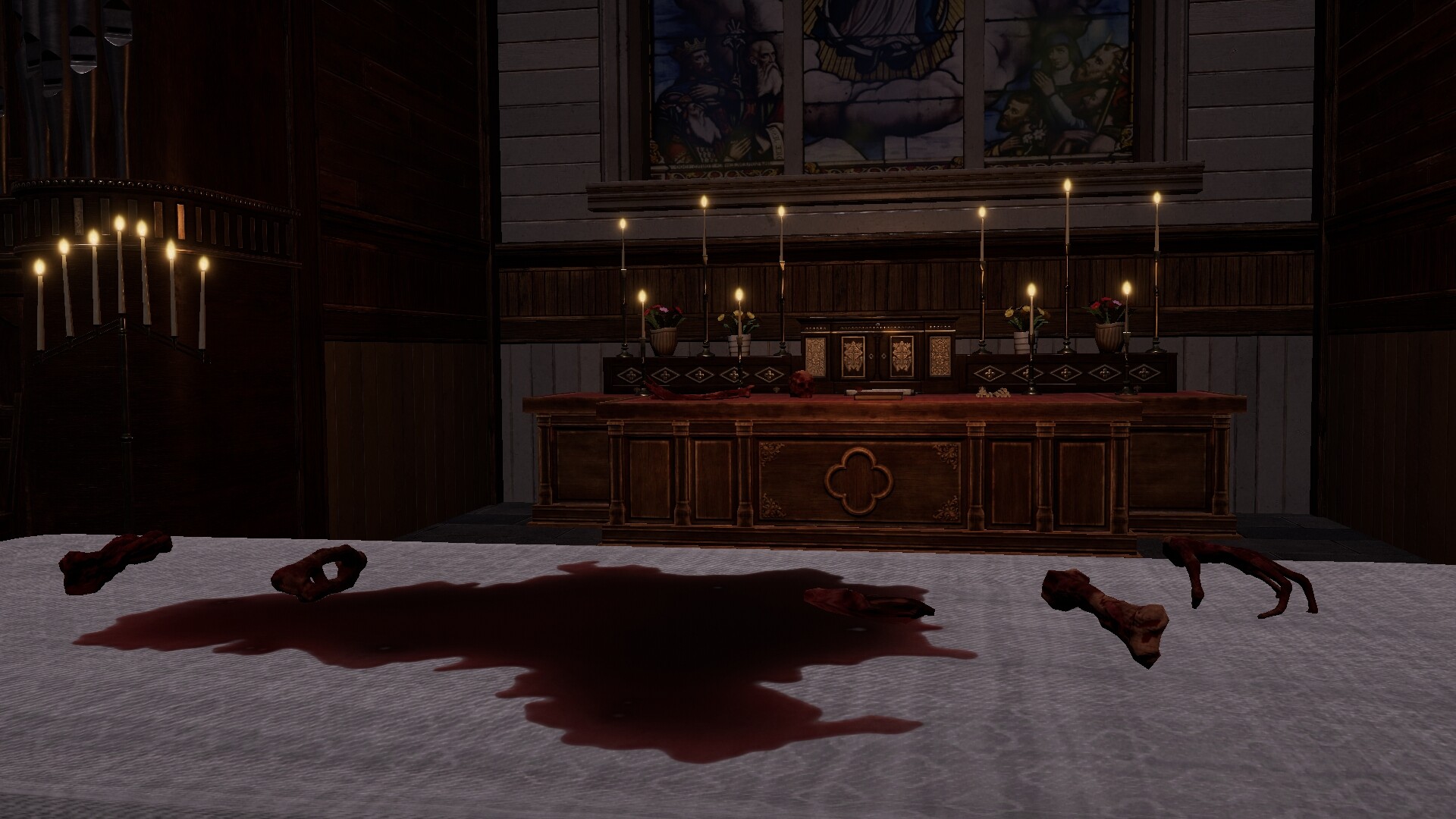
Visuals from the game

Who should wishlist it — four player scenarios
- The slow-burn detective: You prefer reading rooms, compiling small evidentiary details into timelines, and feeling a sense of discovery as sealed systems reveal new lines of enquiry.
- The puzzle-first player: You enjoy mechanical puzzles that open new spaces rather than fast-time challenges; custom volume controls and subtitle options make the experience accessible and deliberate.
- The narrative investigator: You want a story that grows from objects and records rather than cutscenes — the missing-sister premise gives personal stakes to the forensic loop of restoration and reveal.
- The escape-room fan: You like escape-room logic applied to a larger estate: local puzzles that interact with building-wide systems, where restoring power or access is itself a reward that shapes subsequent puzzles.
How it compares to nearby puzzle and mystery titles
Below is an editorial comparison focusing on genre, atmosphere, puzzle focus, exploration style, story tone, and pacing to help you decide whether Trace of the Villa fits your tastes.
| Game | Primary focus | Puzzle style | Exploration | Story tone | Pacing |
|---|---|---|---|---|---|
| Trace of the Villa | Atmospheric mystery adventure | Clue-chains from restored systems, safes, encrypted fragments | Mansion-scale, progressive access via restored power and locks | Personal investigation with institutional erasure and falsified records | Measured, investigative — slow-burn discovery |
| The Room | Mystery puzzle adventure | Intricate single-object mechanical puzzles (safe/box focus) | Limited, focused spaces centered on puzzle devices | Mysterious, tactile and claustrophobic | Concentrated puzzle sessions |
| The Room Two | Mystery puzzle adventure | Device- and object-based mechanical puzzles extending the first game’s approach | Series of interconnected rooms and devices | Cryptic, exploratory, and atmospheric | Puzzle-forward, steady progression |
| Escape Simulator | Interactive escape-room simulation | Highly interactive object manipulation; community rooms |
Steam pageView Trace of the Villa on Steam YouTube discoveryFor trailer and gameplay discovery, use YouTube search rather than relying on unverified embeds: Find Trace of the Villa trailer and gameplay searches on YouTube. CommentsMore posts |
Leave a Reply